

A Mechanic's Guide to the 1993-2000 GMC C3500 Engine Cooling Fan Clutch
Don't let a bad fan clutch leave your C3500's workhorse engine overheating when you need it most.
- The most common failure symptom is engine overheating in slow traffic, which returns to normal at highway speeds.
- A loud, constant roaring noise that changes with engine RPM means the clutch is likely seized.
- For best results, use an OEM ACDelco part; for a budget-friendly option, GMB is a well-regarded aftermarket choice.
- Replacement is a manageable DIY job but requires a special fan clutch wrench set, which can often be rented.
Is Your GMC C3500 Fan Clutch Failing? Common Symptoms
A failing fan clutch can show several signs. Ignoring them can lead to serious engine damage from overheating. Here’s what to watch for:
- Engine Overheating at Low Speeds: This is the number one symptom. Your temperature gauge climbs in stop-and-go traffic or at a standstill, but cools down once you're moving at speed again. This happens because the fan isn't pulling enough air through the radiator at low RPM.
- Loud Roaring Noise: If the fan clutch seizes in the locked position, it will cause a loud roar from the engine bay that rises and falls with engine speed. This puts constant drag on the engine, hurting power and fuel mileage.
- Poor A/C Performance at Idle: If your air conditioning blows cold on the highway but gets warm at a stoplight, it can be a sign of a bad fan clutch. The fan isn't pulling enough air across the A/C condenser to cool the refrigerant effectively.
- Wobbly Fan and Leaks: With the engine OFF, grab a fan blade and try to wiggle it. More than a quarter-inch of play at the tip means the internal bearing is worn. Also, look for oily streaks coming from the center of the clutch, which indicates the internal fluid is leaking out.
A Wobbly Fan Can Also Mean a Bad Water Pump
The fan clutch bolts directly to the water pump. If you notice excessive wobble, inspect the water pump as well. A failing water pump bearing can mimic a bad fan clutch and needs to be addressed immediately.
Choosing the Right Aftermarket Fan Clutch
When it comes to fan clutches for this truck, you get what you pay for. While many aftermarket options exist, forum discussions among owners show a wide range of experiences. Here’s a breakdown of the brands.
Brand Quality Tiers
- Premium (OEM Equivalent): ACDelco
ACDelco is the original GM parts supplier. Choosing ACDelco is the safest bet for original performance, fit, and quiet operation. While it's the most expensive option, it's the one least likely to give you problems like excessive noise or improper engagement. - Reputable Aftermarket: GMB, Hayden (Heavy-Duty)
These brands are a popular middle ground. GMB has positive reviews from owners who found it works well and is a good value. Hayden is a well-known name, but reviews are mixed. Some owners of their heavy-duty and severe-duty clutches are happy with the cooling performance, especially for towing. However, others report that Hayden clutches can be very loud or have quality control issues. If you tow or live in a hot climate, a heavy-duty model from one of these brands is worth considering. - Economy Options: Four Seasons, US Motor Works, Skyward
These brands are more budget-friendly. There is less specific feedback on these for the C3500. One owner reported a positive experience with a US Motor Works clutch, noting it was made in the USA. With economy parts, quality can be a gamble. They may work fine, but might not have the same durability or precise operation as higher-tier brands.
Standard vs. Heavy-Duty vs. Severe-Duty
These terms refer to how quickly and aggressively the clutch engages. A Standard clutch is fine for normal driving. Heavy-Duty engages more frequently and is better for light towing. Severe-Duty offers the most cooling and is designed for constant, heavy towing and extreme heat, but is often the loudest.
Estimated Replacement Costs
The cost to replace your fan clutch depends on whether you do it yourself or have a shop do the work. The part itself has a wide price range based on brand quality.
| New Aftermarket Part | $57 - $257 |
| New OEM (ACDelco) Part | $150 - $300 |
| Shop Labor | $160 - $250 |
| Total (Shop Installed Aftermarket) | $217 - $507 |
Frequently Asked Questions (FAQ)
Can I test my fan clutch myself?
Yes. With the engine off and cold, spin the fan by hand. It should have some resistance and stop within 1-2 rotations. If it spins freely like a pinwheel, it's bad. If it's completely seized and won't move, it's also bad. You can also test it when hot (be careful!). After running the engine to operating temperature, shut it off. The clutch should be engaged and very difficult to turn by hand.
Do I need special tools to replace a fan clutch?
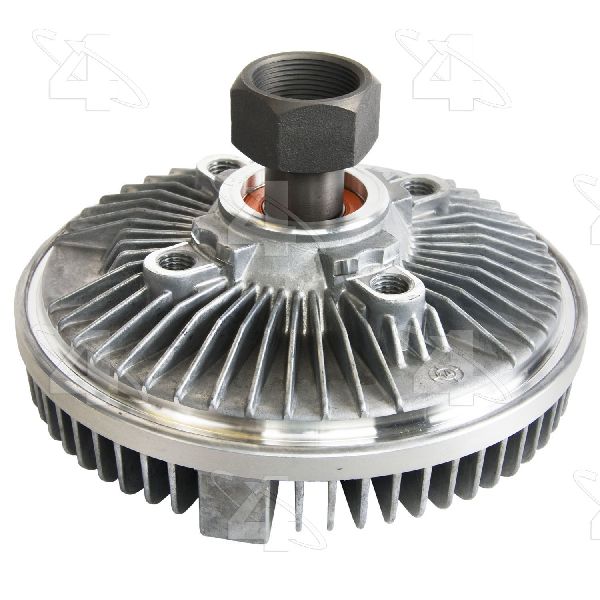
Yes, in most cases you will need a fan clutch wrench set. This includes a large, thin wrench (often 36mm for these trucks) to fit on the nut and a spanner wrench to hold the water pump pulley still while you break the nut loose. Many auto parts stores offer these as a free loaner tool.
Why is my new aftermarket fan clutch so loud?
Many aftermarket clutches, especially heavy-duty or severe-duty models, are designed to engage more aggressively than the stock unit. This provides extra cooling but also creates more noise. Sometimes this is normal for the part, but it can also be a sign of a mismatched or defective unit.
Should I replace the water pump at the same time?
It's a good idea to inspect it. Since you have to remove the fan clutch to get to the water pump, it's the perfect time to check the pump for any leaks or bearing play. If the truck has high mileage and the water pump is original, replacing them both at the same time can save you from doing the job twice.
Technical Specifications
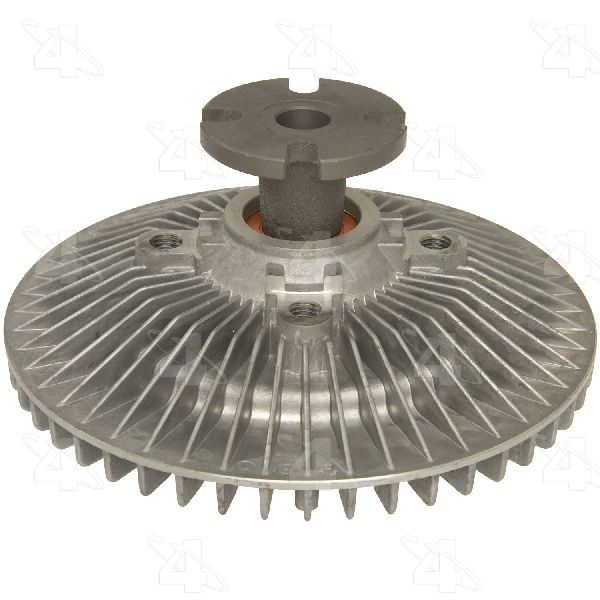
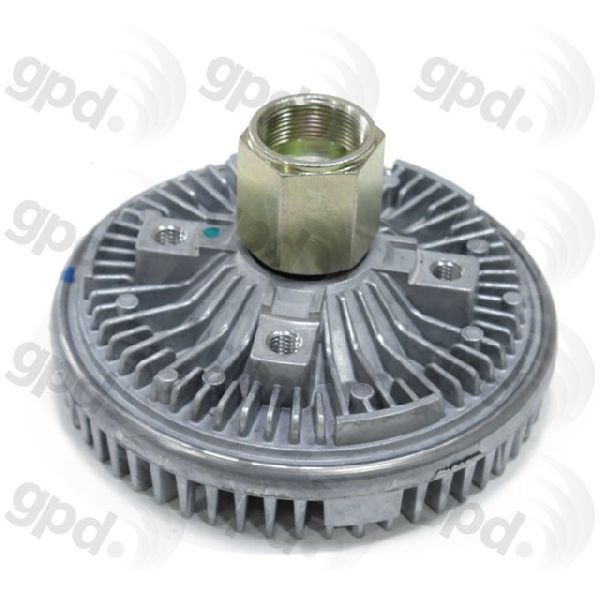
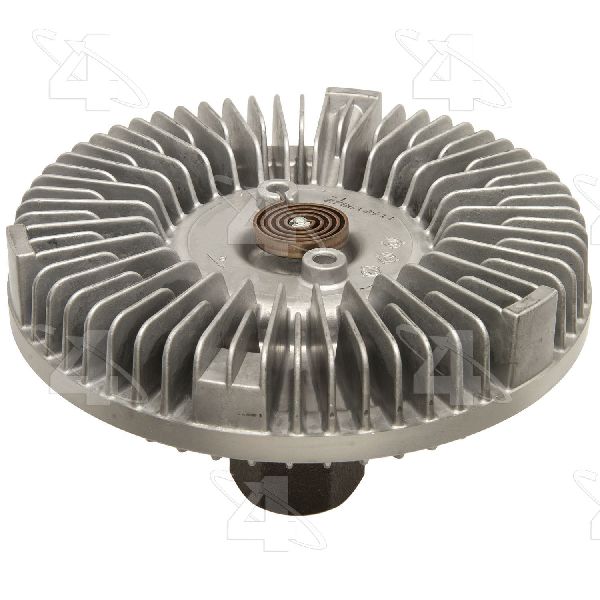
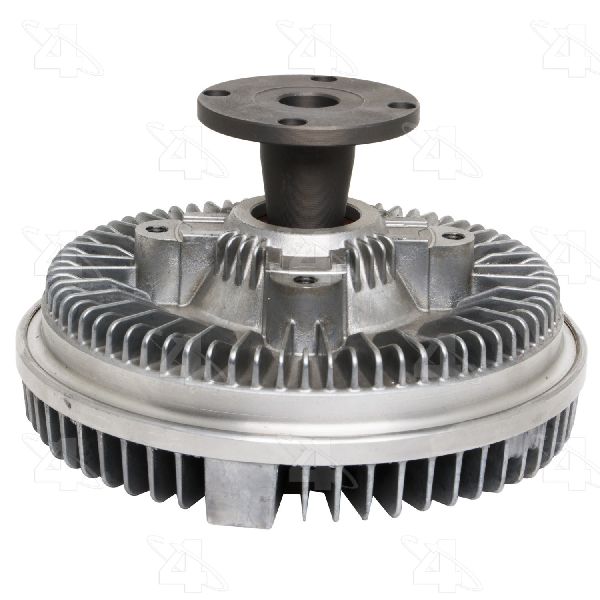
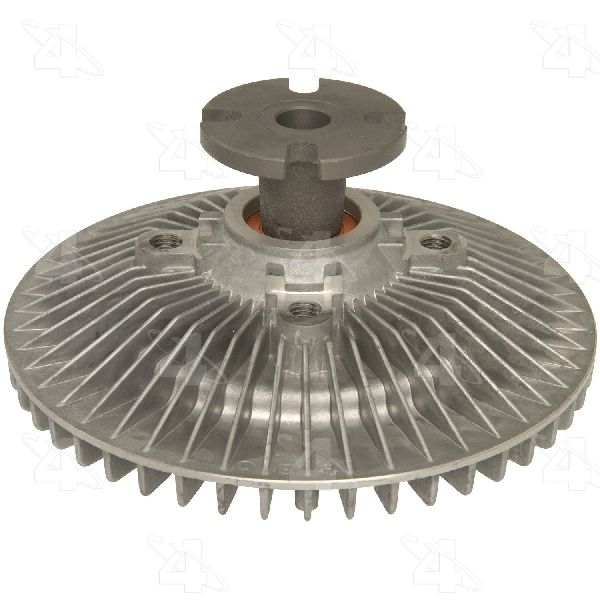
Thermal (non-electric) fan clutch. Rotation direction and duty rating (standard, heavy, severe) vary by engine and options.
We Have This Part in Stock

The information in this article is provided for general reference and educational purposes only. Vehicle specifications, procedures, and part compatibility can vary by production date, trim level, and region. Always consult your vehicle's factory service manual and verify part numbers before purchasing or performing repairs. Safety-critical components such as airbags, seat belts, and braking systems should be installed by a qualified professional.
- GMC C3500: