

GMC C3500 Fuel Injection Pressure Regulator Guide (1993-2000)
Solve rough running, hard starts, and poor fuel economy by choosing the right fuel pressure regulator for your truck.
- Identify your fuel system first: 1993-1995 models are likely TBI (easier repair), while 1996-2000 are likely CPI (harder repair).
- A definitive sign of failure is raw fuel found inside the regulator's vacuum hose.
- For a reliable repair, choose a premium aftermarket brand like Delphi or Standard Motor Products (non-T series).
- Do not drive the vehicle if you smell fuel or see a leak, as it poses a significant fire risk.
Is Your Truck Running Rough? It Could Be the Fuel Pressure Regulator
If your GMC C3500 is acting up, the fuel pressure regulator is a common suspect. This part controls fuel pressure, and when it fails, it can cause a lot of problems. Because the 1993-2000 generation spans two different fuel injection systems—Throttle Body Injection (TBI) and Central Port Injection (CPI)—symptoms and replacement can differ. Knowing which system your truck has is the first step to a successful repair.
Pro Tip: TBI vs. CPI Systems
A quick way to tell which system you have is to look at your engine's air cleaner. If you see a round, carburetor-like unit underneath with two injectors on top, you have a TBI system (common on 1993-1995 models). If you have a large plastic intake manifold covering the top center of the engine, you likely have a CPI or CSFI system (common on 1996-2000 models). The regulator for CPI systems is located under this intake manifold.
Symptoms of a Failing Fuel Pressure Regulator
When a regulator goes bad, it usually gets stuck open or closed, or the internal diaphragm leaks. This leads to either too much fuel (running rich) or not enough fuel (running lean). Here are the most common signs:
- Hard Starting: The engine cranks for a long time before it finally starts. This happens because a leaky regulator lets the pressure in the fuel lines drop when the truck is off.
- Black Smoke from Exhaust: This is a classic sign of a rich-running engine, often caused by a regulator that's stuck closed or leaking fuel into the vacuum line.
- Poor Fuel Economy: Whether the engine is running rich or lean, the truck's computer tries to compensate, which almost always results in burning more gas than necessary.
- Rough Idle and Stalling: Unstable fuel pressure makes it hard for the engine to maintain a smooth idle, and it may stall completely.
- Gasoline Smell: A definitive sign of failure is finding raw fuel in the regulator's vacuum hose. If you pull the small vacuum line off the regulator and see or smell gas, the internal diaphragm has failed.
Choosing the Right Aftermarket Regulator
For a truck of this age, a quality aftermarket part is often a smart and affordable choice. You don't necessarily need to pay for an OEM part from the dealer. Here’s a breakdown of available brands:
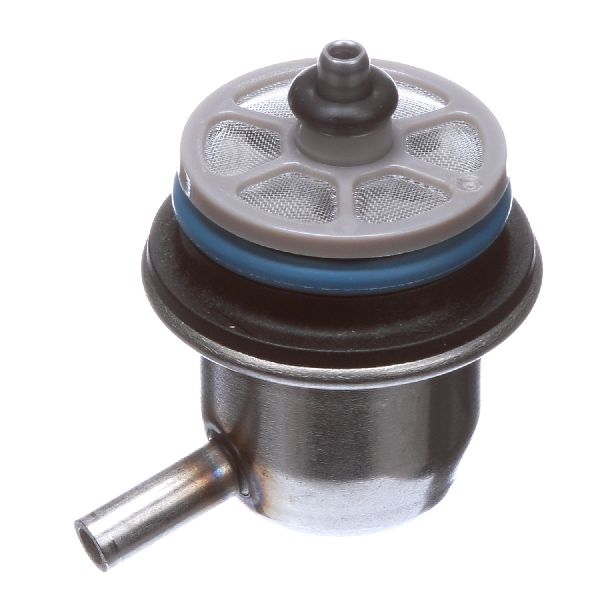
- Delphi: Often the original equipment manufacturer (OEM) for GM, Delphi is considered a top-tier choice. Choosing Delphi ensures a precise fit and reliable performance, making it a safe bet for a long-lasting repair.
- Standard Motor Products (SMP): SMP is a well-respected aftermarket brand that manufactures many of its own parts and is known for quality. Some users recommend avoiding their budget "T-series" line for critical parts, but their standard line is considered a strong, reliable option.
- Walker Products: Walker is known for producing quality engine management components that meet or exceed OEM specifications. They offer a good balance of quality and value.
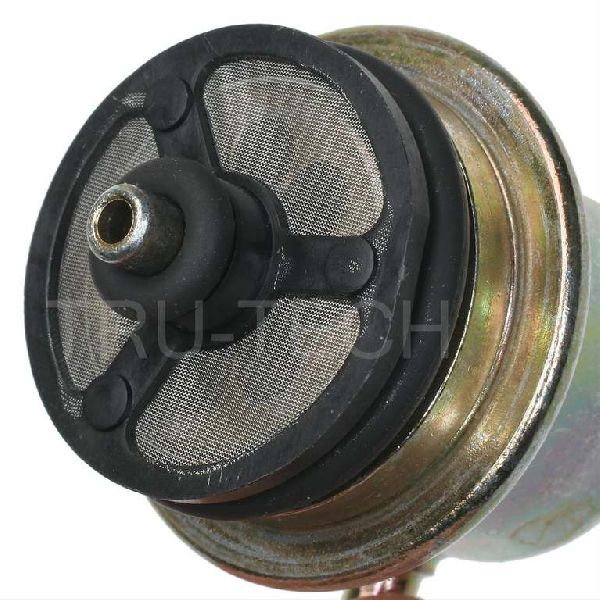
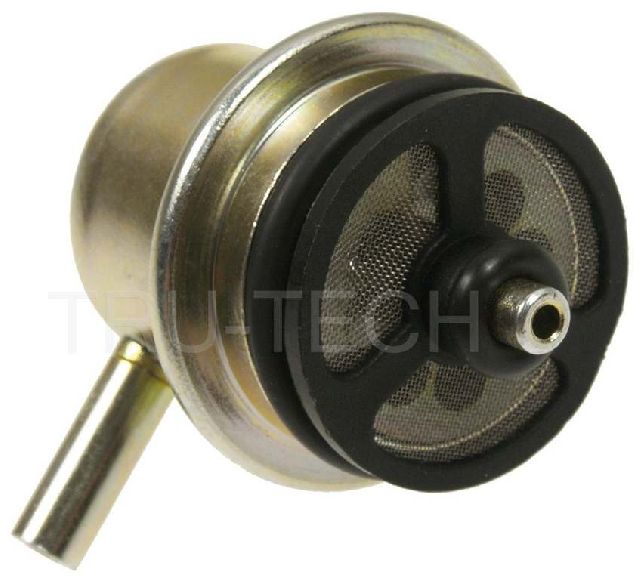
- Skyward / True Tech: These brands typically fall into the economy or value category. They can be a good option if budget is the primary concern, but may not offer the same long-term durability as premium brands like Delphi or Standard.
A Note on OEM vs. Aftermarket
While an OEM part is always a safe choice, high-quality aftermarket brands like Delphi (who is often the OEM supplier anyway) and Standard Motor Products offer comparable quality for less money. For a vehicle from the 1990s, these brands provide excellent value without sacrificing reliability.
Frequently Asked Questions (FAQ)
Can I drive my C3500 with a bad fuel pressure regulator?
It is not recommended. If the regulator is leaking fuel externally or into the vacuum line, it creates a serious fire hazard. Even if it's not leaking, poor performance, stalling, and running rich can lead to other engine problems, like damaging your catalytic converter or fouling spark plugs.
How do I know for sure the regulator is bad?
The most definitive test is to check the fuel pressure with a gauge connected to the Schrader valve on the fuel rail. For 1996-2000 Vortec engines, pressure should be between 55-62 psi with the key on. Another sure sign is finding liquid fuel inside the vacuum hose attached to the regulator, which indicates a ruptured diaphragm.
Is this a difficult part to replace myself?
It depends on your engine. For earlier TBI models (1993-1995), the regulator is in the throttle body and is relatively easy to access and replace. For later CPI models (1996-2000), the regulator is under the upper intake manifold, making the job much more involved and time-consuming.
Are there any recalls for this part on my truck?
Searches for the 1993-2000 GMC C3500 did not show any specific recalls for the fuel injection pressure regulator itself. However, GM has issued recalls for fuel system components like fuel pumps on other model years, highlighting the importance of maintaining the fuel system.
Technical Specifications
OEM Part Numbers: 17112907 19143609 17113295
Location varies by year. TBI models (1993-95) have the regulator located in the throttle body assembly. CPI/CSFI models (1996-2000) have the regulator located inside the intake manifold as part of the fuel meter body ('spider' assembly).
We Have This Part in Stock


The information in this article is provided for general reference and educational purposes only. Vehicle specifications, procedures, and part compatibility can vary by production date, trim level, and region. Always consult your vehicle's factory service manual and verify part numbers before purchasing or performing repairs. Safety-critical components such as airbags, seat belts, and braking systems should be installed by a qualified professional.
- GMC C3500: