

BMW 528i Engine Coolant Temperature Sensor Guide (1997-2000)
Solving rough idle, poor fuel economy, and other running issues in your E39 528i often starts with this critical sensor.
- Your E39 528i has two coolant sensors; the one on the cylinder head is responsible for engine performance issues.
- Symptoms like poor MPG, black smoke, and rough idle are strongly linked to a failing main ECT sensor.
- For this critical part, it is highly recommended to use an OEM supplier brand like Vemo or NGK to ensure reliability.
- Replacing the main sensor is a labor-intensive job due to its location under the intake manifold.
Understanding the Two Coolant Sensors in Your 528i
Before diagnosing problems, it's crucial to know that the E39 528i uses two separate coolant temperature sensors. Ordering the right part depends on your car's symptoms.
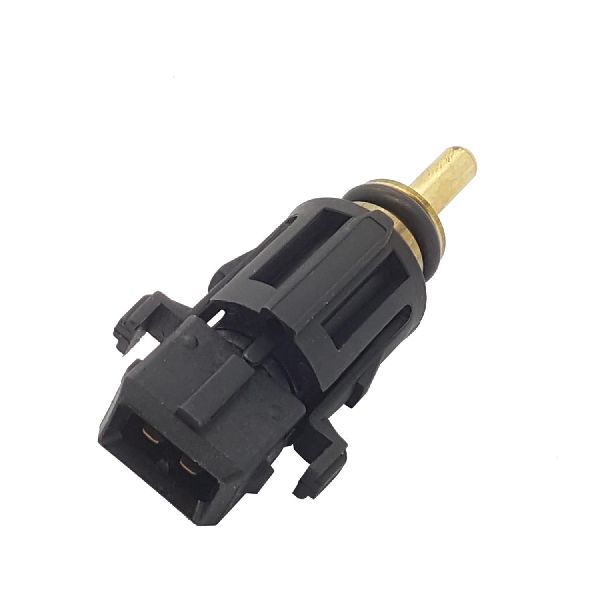
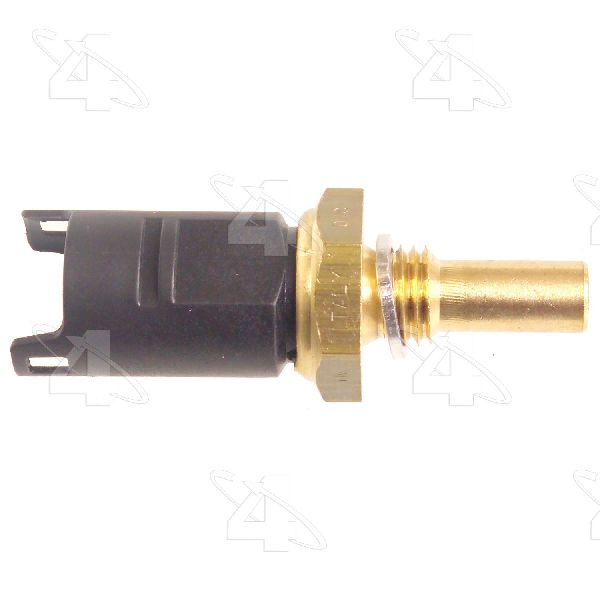
- Main DME Sensor (Cylinder Head): This is the sensor that causes most engine performance problems. It's located on the side of the cylinder head, underneath the intake manifold. Its signal directly controls fuel and timing. A failure here leads to noticeable running issues.
- Secondary Sensor (Radiator Hose): This sensor is much easier to access, located in the lower radiator hose. Its primary job is to help the DME monitor the performance of the electronically-assisted thermostat. A failure here will usually just trigger a Check Engine Light without the severe running problems caused by the main sensor.
Symptoms of a Failing Main Coolant Temperature Sensor
When the main sensor on the cylinder head fails, it typically sends an incorrect signal to the engine's computer, often telling it the engine is cold when it's actually warm. This leads to a set of distinct symptoms:
- Poor Fuel Economy: The computer injects extra fuel, thinking the engine needs to warm up. This rich mixture wastes gas.
- Black Smoke from Exhaust: Excess fuel that isn't burned in the cylinders burns in the hot exhaust, creating black smoke.
- Rough Idle and Poor Performance: The incorrect air/fuel mixture can cause the engine to shake, vibrate, or feel sluggish.
- Hard Starting When Warm: If the sensor is stuck on a "cold" reading, the computer will flood the engine with too much fuel for a warm start, making it difficult to turn over.
- Check Engine Light: The DME will detect a problem with the sensor's signal or its performance, triggering fault codes like P0116, P0117, or P0118.
Common Ordering Mistake
Most driveability issues like rough idle and poor fuel economy are caused by the main sensor on the cylinder head (OEM Part #13621703993), not the easier-to-access sensor in the radiator hose. Verify which sensor is faulty before ordering.
Choosing the Right Aftermarket Sensor
For critical BMW sensors, brand quality matters. While saving money is tempting, a low-quality sensor can fail quickly or provide inaccurate readings, leaving you with the same problems. Here’s a breakdown of available brands:
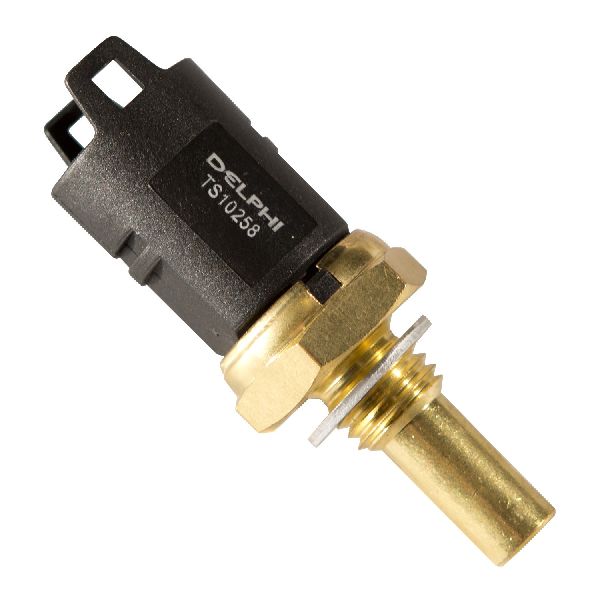
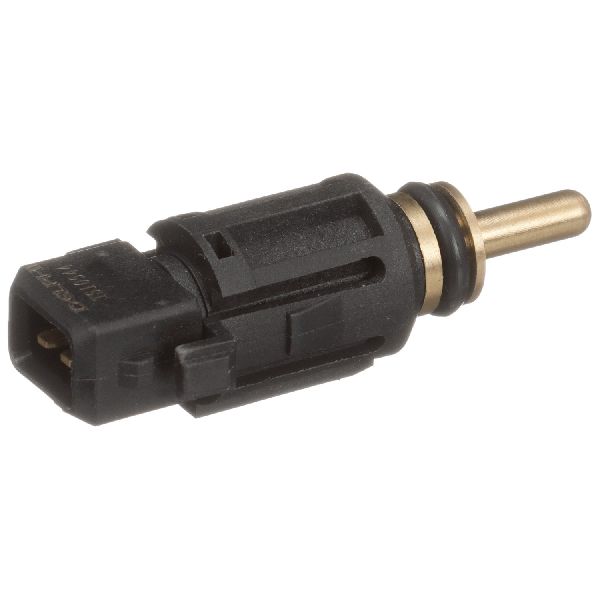
- Tier 1 - OEM Suppliers (Recommended): Brands like Vemo, NGK, and Delphi often have a strong reputation in the BMW community. They are known for providing accurate readings and a long service life, similar to the original part. Forum discussions often recommend sticking to these trusted names to avoid doing the job twice.
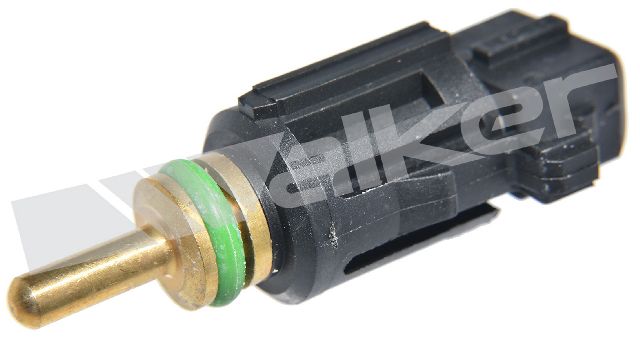
- Tier 2 - Reputable Aftermarket: Brands like Standard Ignition, Four Seasons, and Walker Products are established names in the aftermarket. They generally offer a good balance of price and quality, but may not have the same rigorous validation as OEM suppliers.
- Tier 3 - Budget Brands: Brands like URO Parts are known for being very affordable. However, community feedback suggests using caution. While URO may be suitable for simple, non-critical parts, their sensors and electronic components have a mixed reputation for reliability and longevity. For a part that is labor-intensive to replace, choosing a budget option can be a risky gamble.
Pro Tip: Replace the Gasket
The main coolant temperature sensor is sealed with a gasket or sealing washer. Always use a new one during installation to prevent coolant leaks. The new sensor should be tightened to the correct torque specification, which is 20 Nm (about 15 ft-lbs).
Cost Comparison for a New Sensor
| Part Type | Estimated Cost |
|---|---|
| New Aftermarket | $19 - $55 |
| New OEM | $25 - $60 |
| Shop Labor (Main Sensor) | $150 - $250 |
Note: Labor costs are an estimate and can vary based on shop rates and location. The main sensor replacement is more expensive due to its difficult-to-access location.
Frequently Asked Questions (FAQ)
How can I be sure the main coolant sensor is bad?
The best way is to use an OBD-II scanner. Look for fault codes like P0116, P0117, or P0118. You can also check the live data stream on the scanner. If the engine is fully warm (e.g., after a 20-minute drive), the coolant temperature should read between 90-105°C (194-221°F). If it's stuck at a very low or very high number, the sensor is likely bad.
Can I replace the main coolant temperature sensor myself?
This is a moderately difficult DIY job. While the sensor itself is simple to unbolt, its location under the intake manifold makes access very challenging. Some mechanics can reach it without fully removing the manifold, but it requires patience and the right tools. If you are not comfortable working in tight spaces, it may be best to leave this to a professional. The secondary sensor in the radiator hose, however, is a very easy DIY replacement.
Are there any recalls for this part?
No, there are no specific recalls or technical service bulletins (TSBs) from BMW or the NHTSA for the engine coolant temperature sensor on the 1997-2000 528i.
What happens if I don't replace a bad sensor?
Continuing to drive with a bad sensor will cause consistently poor fuel mileage and rough performance. More seriously, running a constantly rich fuel mixture can, over time, damage your expensive catalytic converters and foul your spark plugs.
Technical Specifications
OEM Part Numbers: 13621703993 1703993
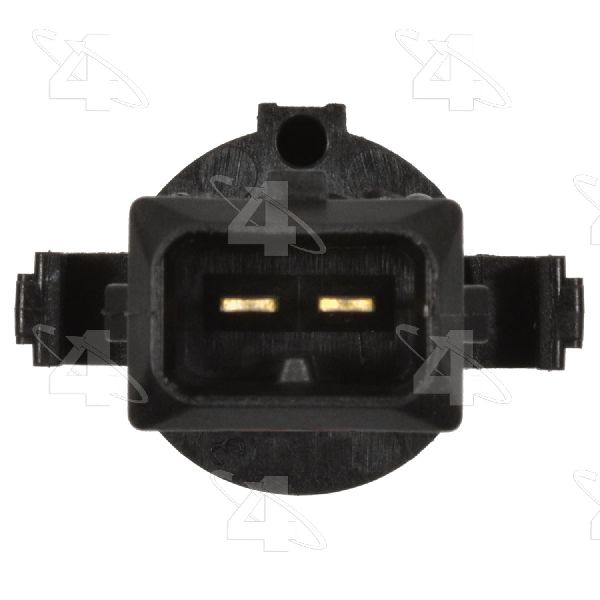
This guide primarily covers the main 4-pin, double temperature sensor located on the cylinder head.
We Have This Part in Stock

The information in this article is provided for general reference and educational purposes only. Vehicle specifications, procedures, and part compatibility can vary by production date, trim level, and region. Always consult your vehicle's factory service manual and verify part numbers before purchasing or performing repairs. Safety-critical components such as airbags, seat belts, and braking systems should be installed by a qualified professional.
- BMW 528i: