

Steering Tie Rod End Guide for 1997-2001 BMW 528i (E39)
Fix steering shimmy and wandering by choosing the right replacement tie rod end for your E39 528i.
- A bad tie rod end is a common cause of steering wheel shimmy, clunking noises, and uneven tire wear on the E39 528i.
- Always replace tie rod ends in pairs (left and right) to ensure balanced steering.
- A professional wheel alignment is mandatory after replacement to prevent poor handling and rapid tire wear.
- Premium aftermarket brands like Moog and Delphi offer excellent quality for daily drivers, often comparable to OEM Lemförder parts.
Is Your 528i's Steering Feeling Loose?
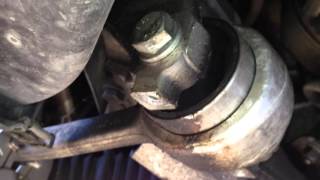
A common issue on the E39 chassis, including the 1997-2001 528i, is wear in the front suspension components. The steering tie rod ends are frequent culprits for steering problems. If you're feeling a shimmy in the steering wheel between 45-60 mph, hearing clunking noises on turns, or noticing your tires are wearing unevenly on the inside edges, a bad tie rod end is a likely cause. You can check for a bad tie rod by safely jacking up the front of the car and trying to wiggle the wheel side-to-side (with your hands at the 3 and 9 o'clock positions 🎬 Watch this video to see how to check for play.). If you feel play or hear a clunk, the tie rod end is probably worn out.
A Note on Vehicle Years
This guide is for the BMW 528i E39 chassis, which was sold in North America from model years 1997 through 2000, and into 2001 in some markets. The 1993-1996 5-series was the E34 chassis, which uses different parts. Always verify your vehicle's production date before ordering.
Choosing the Right Aftermarket Tie Rod End
You don't need to buy an expensive Original Equipment (OEM) part from BMW to restore your car's steering feel. Aftermarket brands offer a range of quality and price points. For a daily driver, a quality aftermarket part provides excellent value. OEM parts for the E39 are often made by Lemförder.
Brand Quality Tiers
- Premium Aftermarket (Moog, Delphi): These brands are well-regarded and often meet or exceed OEM specifications. Moog is known for durable, all-metal designs that are often greasable for a longer service life. Delphi is also a known OEM supplier for various brands and offers good quality.
- Standard Aftermarket (Mevotech, Dorman): These brands offer a good balance of price and quality for daily driving. Mevotech has a mixed reputation, but some of their lines are considered decent. Dorman is a common choice that provides a functional replacement, though it may not have the same longevity as premium brands.
- Economy (Suspensia, QuickSteer): These are budget-focused options. While they will fix the immediate problem, their long-term durability can be questionable. Suspensia is generally considered a lower-tier brand. These are best if you're on a tight budget or plan to sell the vehicle soon.
Pro Tip: Replace in Pairs
It is highly recommended to replace both the left and right tie rod ends at the same time. This ensures even steering response and prevents you from having to do the same job again in a few months when the other side wears out. Also, you must get a professional wheel alignment after replacing tie rod ends. Failure to do so will cause poor handling and rapid, uneven tire wear.
Cost of Replacing a Steering Tie Rod End (1997-2001 BMW 528i)
| Part Type | Estimated Cost |
|---|---|
| New Aftermarket Part | $16.17 - $68.12 |
| New OEM (Lemförder) Part | $45 - $75 per side |
| Shop Labor | $100 - $200 |
| Wheel Alignment | $100 - $180 |
Frequently Asked Questions
Do I need to replace the inner and outer tie rod at the same time?
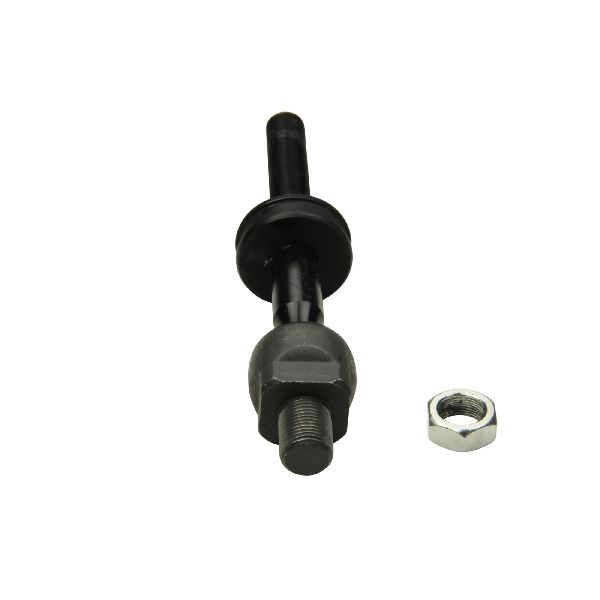
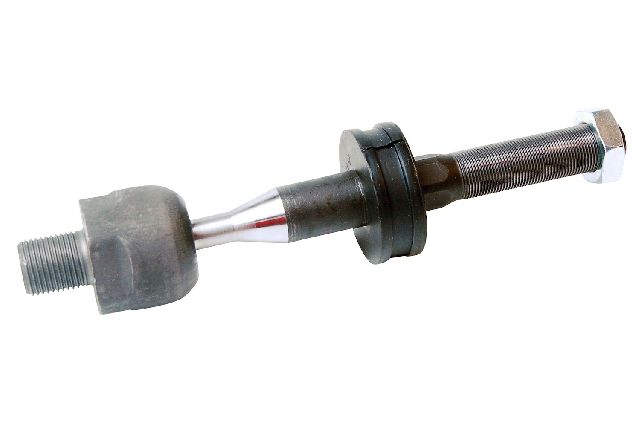
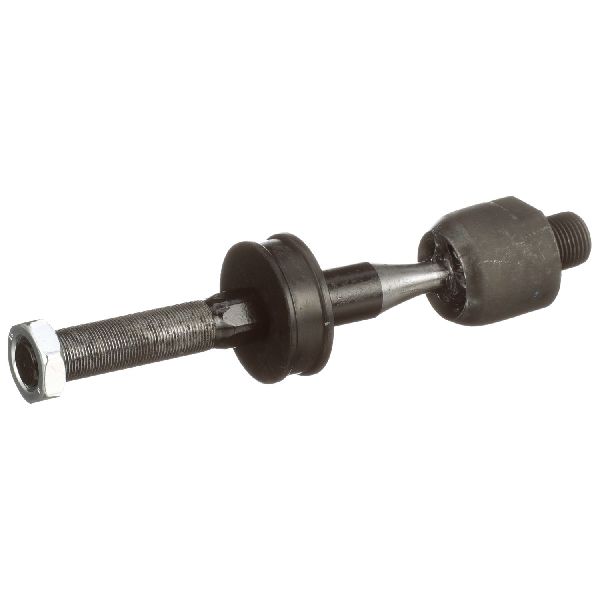
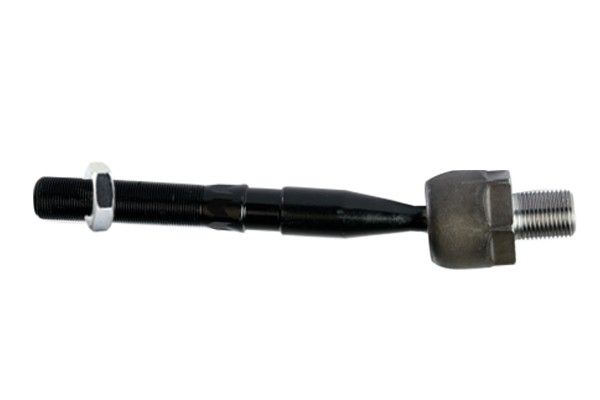
Not necessarily. The outer tie rod end fails more frequently. However, if you are replacing the outer, it's a good time to inspect the inner tie rod for any play or damage. If the inner tie rod is also worn, it's best to replace the entire assembly (inner and outer).
What tools are needed for this job?
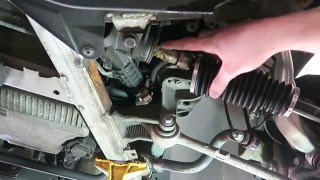
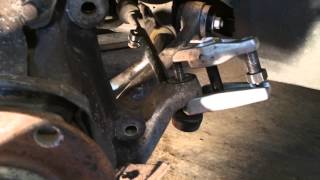
You will need a jack and jack stands, a set of metric wrenches and sockets (typically 17mm, 18mm, 19mm, 24mm), a torque wrench, and a special tool called a tie rod end puller or ball joint separator to pop the old part out of the steering knuckle. Attempting to hammer it out can cause damage.
🎬 Follow this step-by-step DIY guide to replace your tie rods.Can a bad tie rod end cause the 'E39 shimmy'?
Yes. While the infamous 50-60 mph shimmy on E39s can have many causes, including control arm bushings and unbalanced wheels, worn tie rod ends are a very common contributor. Any play in the tie rod allows the wheel to oscillate, creating vibrations felt in the steering wheel.
🎬 See how replacing worn parts can fix the E39 shimmy.Is it safe to drive with a bad tie rod end?
It is not recommended. A worn tie rod end can feel like loose steering or a slight vibration, but if it fails completely, you can lose steering control of that wheel, which is extremely dangerous. It's best to get it replaced as soon as symptoms appear.
What is the difference between the left and right tie rod end?
The left (driver's side) and right (passenger's side) tie rod ends are specific to their side and are not interchangeable. They are threaded differently. Ensure you order the correct part for the side you are replacing.
Helpful Videos

Technical Specifications
OEM Part Numbers: 32111094673 32111094674 32211091723 32211091724
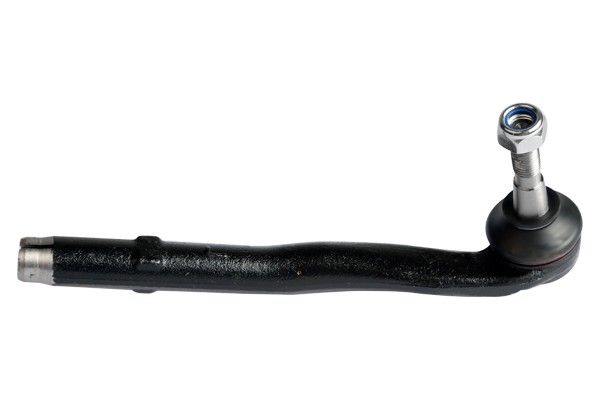
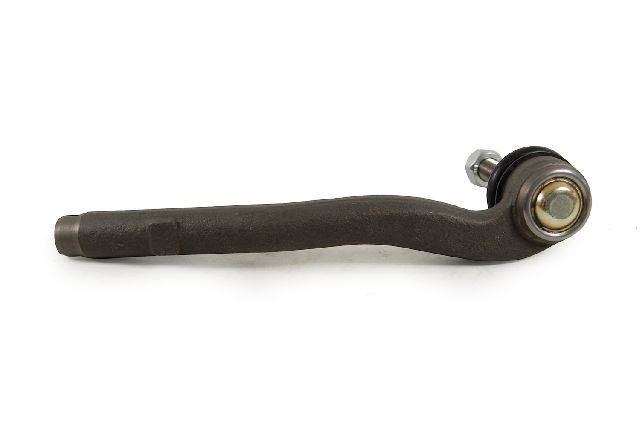
The E39 528i uses a steering rack and pinion system with separate inner and outer tie rods. The outer tie rod connects to the steering knuckle with a tapered ball joint stud. Replacement requires a ball joint separator tool.
We Have This Part in Stock

The information in this article is provided for general reference and educational purposes only. Vehicle specifications, procedures, and part compatibility can vary by production date, trim level, and region. Always consult your vehicle's factory service manual and verify part numbers before purchasing or performing repairs. Safety-critical components such as airbags, seat belts, and braking systems should be installed by a qualified professional.
- BMW 528i: