

BMW 740iL Engine Coolant Temperature Sensor: A Complete Guide (1993-2001)
A bad coolant temperature sensor can cause poor fuel economy and rough running in your E38 740iL; here's how to choose the right replacement.
- The 740iL uses a single 4-pin sensor for both the engine computer and the dashboard gauge.
- Common failure symptoms include poor fuel economy, rough idle, and a check engine light.
- Replacement is more difficult than on other cars due to its location under the intake manifold on the V8 engine.
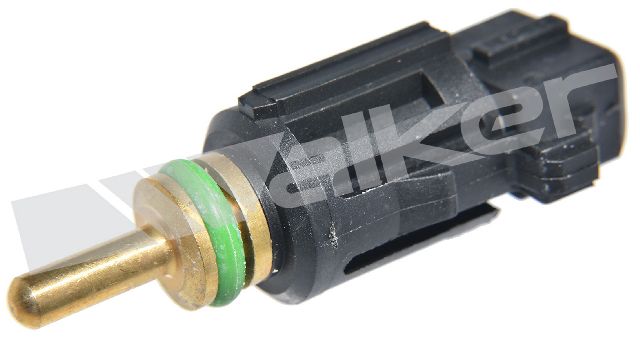
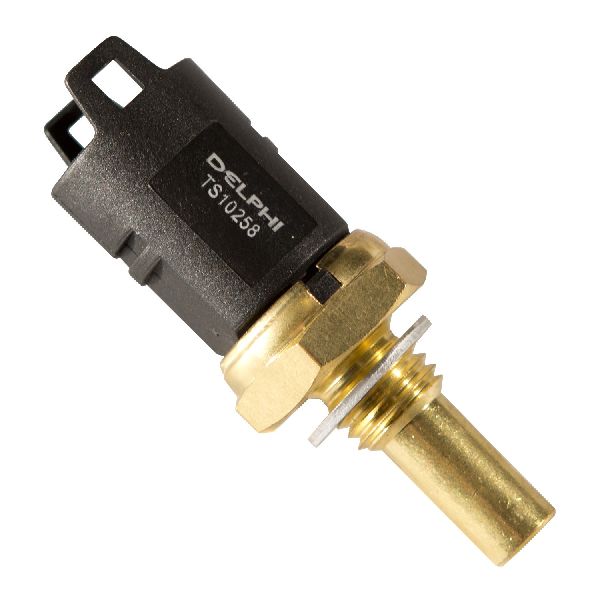
- Choosing a quality aftermarket brand like Delphi, NGK, or Vemo is a reliable alternative to the more expensive OEM part.
Is your 740iL running rough or getting bad gas mileage?
Before you suspect a major issue, consider the engine coolant temperature sensor. On the E38 740iL, this small part can cause noticeable problems when it fails. Because it provides temperature data to both the engine computer (DME) and your gauge, a failure can lead to a confusing set of symptoms. The computer might think the engine is permanently cold, causing it to inject too much fuel. This guide will help you understand the symptoms, choose a quality aftermarket replacement, and know what to expect for costs.
Symptoms of a Failing Coolant Temperature Sensor
A bad ECT sensor can make your car act in strange ways. Here are the most common signs reported by owners:
- Poor Fuel Economy: The most common symptom. The DME receives a false 'cold' signal and enriches the fuel mixture, wasting gas.
- Check Engine Light: The DME will often trigger a Check Engine Light with fault codes like P0116, P0117, or P0118.
- Black Smoke from Exhaust: A direct result of the overly rich fuel mixture being burned incompletely.
- Rough Idle and Hard Starts: Incorrect fuel and timing adjustments can make the engine run poorly, especially when cold.
- Inaccurate Temperature Gauge: The needle on your dash may stay on cold, jump around, or show an incorrect reading.
- Engine Overheating: If the sensor fails to report that the engine is hot, the electric cooling fans may not activate when needed.
A Note on Installation
On the 740iL's M60 and M62 V8 engines, this sensor is often located on the back of a cylinder head, underneath the intake manifold. This is not a simple 15-minute job like on some other cars. Access can be difficult and may require removing other components. It is a feasible DIY for an experienced mechanic, but beginners should consider professional installation.
Choosing the Right Aftermarket Sensor: Brand Tiers
You don't need to buy a Genuine BMW part, but quality matters. Aftermarket brands for this part generally fall into three tiers. For a part that is labor-intensive to replace, choosing from Tier 1 or Tier 2 is highly recommended.
- Tier 1 - OEM Quality: These brands are often original equipment suppliers to BMW or have a reputation for equivalent quality. They are the most reliable choice. Brands include Delphi, NGK (NTK), and Vemo.
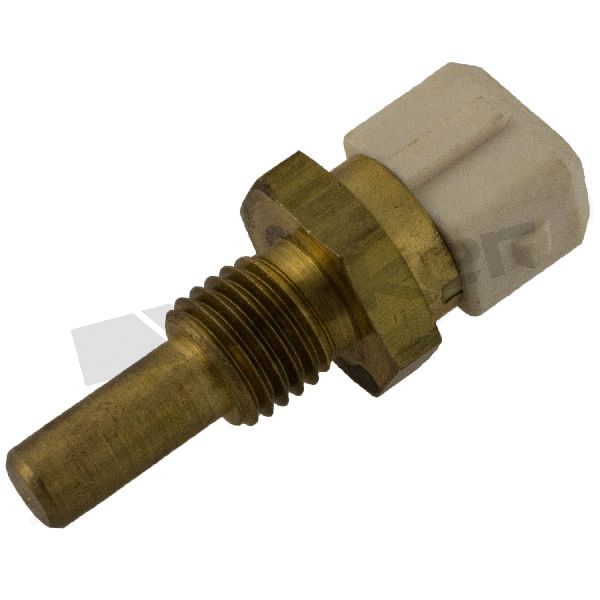
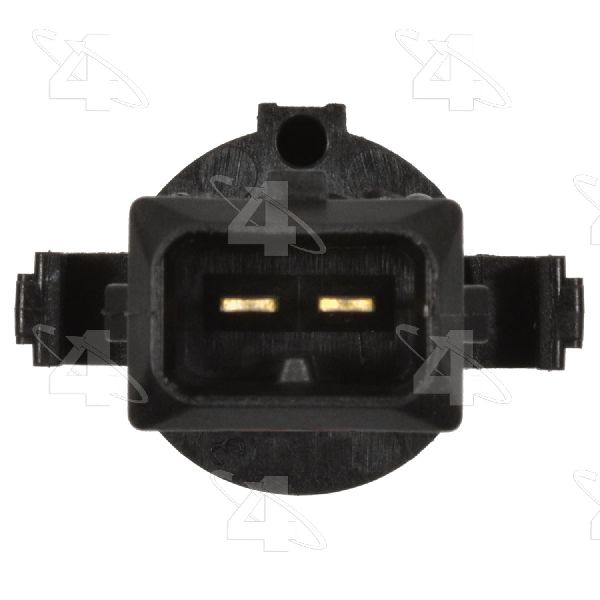
- Tier 2 - Reputable Aftermarket: These brands offer a good balance of quality and price. They are a solid choice for most owners. Brands include Facet, Four Seasons, and Standard Ignition (SMP).
- Tier 3 - Budget Options: These parts are the most affordable but may have a higher risk of premature failure or inaccurate readings. Given the labor involved in replacement, they are a risky choice. Brands like URO Parts and True Tech fall into this category.
Cost to Replace a 740iL Coolant Temperature Sensor
Here is a general breakdown of what to expect for costs. Prices can vary based on your location and the specific brand you choose.
| Part Type | Part Cost | Shop Labor Cost |
|---|---|---|
| New Aftermarket | $20.66 - $55.22 | $150 - $250 |
| New OEM | $65 - $85 |
Pro Tip: Replace While You're In There
If you or a mechanic are already doing a job that requires removing the intake manifold (like replacing the PCV/oil separator plate or valley pan gasket), it is an excellent and cost-effective time to replace the coolant temperature sensor, even if it hasn't failed yet.
Frequently Asked Questions (FAQ)
How many coolant temperature sensors does the 1993-2001 740iL have?
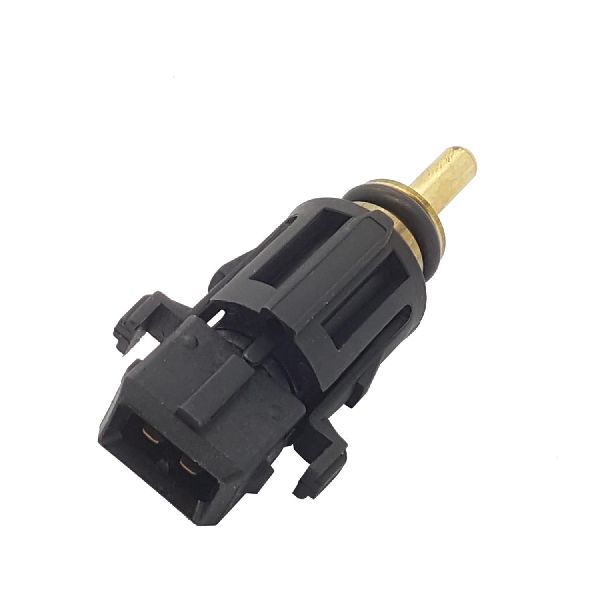
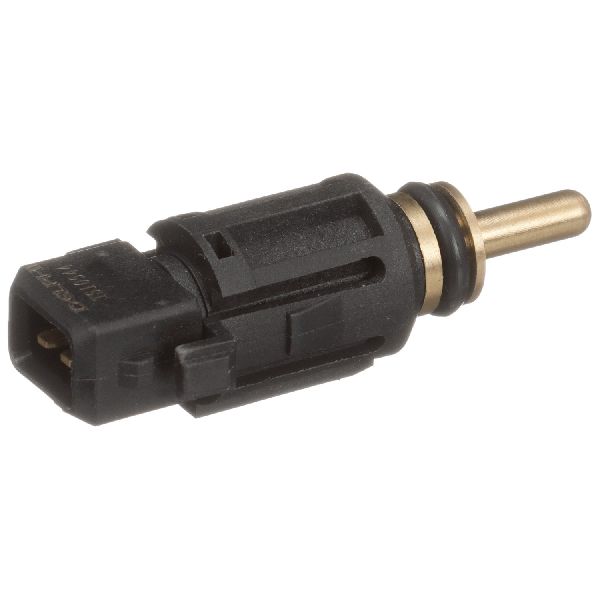
The primary sensor for the engine and gauge is a single 4-pin unit, often called a double temperature switch. Some BMWs also have a secondary sensor in the lower radiator hose that helps control the electric fans, but the main one affecting engine performance is the one on the engine block/head.
Where is the engine coolant temperature sensor located on the 740iL?
On the V8 engines (M60/M62) used in the 740iL, the sensor is typically installed on the rear of the passenger-side cylinder head, which is located under the intake manifold. This makes it difficult to see and access without removing other parts.
Is it hard to replace this sensor yourself?
For this specific vehicle, yes, it can be challenging. Due to its location under the intake manifold, the job requires more work than on many other vehicles. It is recommended for experienced DIYers or a professional mechanic.
What happens if I don't replace a bad sensor?
You will continue to experience poor fuel economy, rough running, and potential starting issues. In a worst-case scenario, the engine could overheat if the fans don't turn on, which can lead to severe engine damage. It's a small part that protects your engine from much bigger problems.
Technical Specifications
OEM Part Numbers: 13621703993 12621288158 13621433076
Connector: 4-Pin, Double Temperature Switch
We Have This Part in Stock

The information in this article is provided for general reference and educational purposes only. Vehicle specifications, procedures, and part compatibility can vary by production date, trim level, and region. Always consult your vehicle's factory service manual and verify part numbers before purchasing or performing repairs. Safety-critical components such as airbags, seat belts, and braking systems should be installed by a qualified professional.
- BMW 740iL:
- 🛍️ Shop This Part
- Is your 740iL running rough or getting bad gas mileage?
- Symptoms of a Failing Coolant Temperature Sensor
- A Note on Installation
- Choosing the Right Aftermarket Sensor: Brand Tiers
- Cost to Replace a 740iL Coolant Temperature Sensor
- Pro Tip: Replace While You're In There
- Frequently Asked Questions (FAQ)
- 🎟️ Get 5% Off