

Choosing the Right Radiator for Your 1993-2001 Dodge Caravan
Keep your Caravan's engine cool and prevent overheating with the right replacement radiator.
- The most common failure is the plastic side tank cracking from age and heat cycles.
- You MUST order the correct radiator for your generation: 1993-1995 is different from 1996-2001.
- Replacement is a manageable DIY job for those with some mechanical experience, taking 2-3 hours.
- While replacing the radiator, it is highly recommended to also replace the hoses and thermostat.
Is Your Dodge Caravan Radiator Failing?
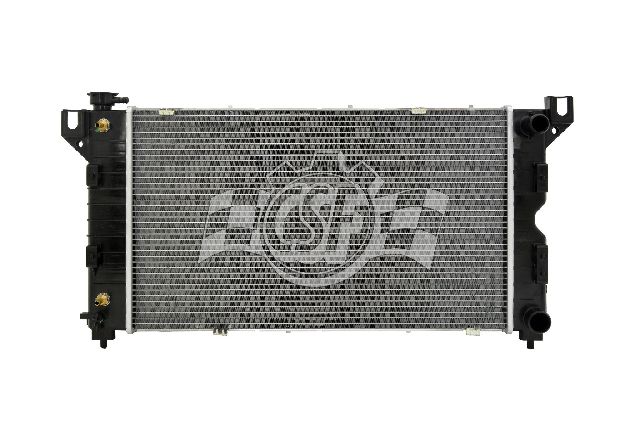
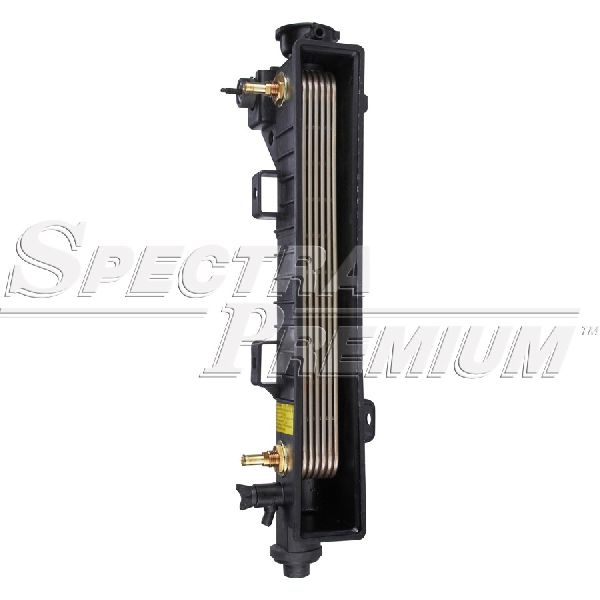
The radiators in the 1993-2001 Dodge Caravan use an aluminum core with plastic side tanks. With age, these plastic tanks are the most common point of failure. Over many years of heating up and cooling down, the plastic can become brittle and crack, leading to coolant leaks. If you're losing coolant, your van is running hotter than usual, or you can see physical damage, it's likely time for a replacement.
A Critical Note on Vehicle Generations
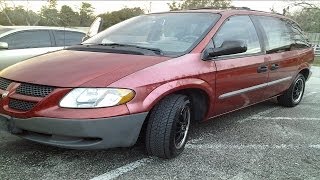
The 1993-2001 year range covers two different generations of the Dodge Caravan. The 1993-1995 models (2nd Gen) and 1996-2001 models (3rd Gen) have different body styles and components. The radiators are NOT interchangeable between these two generations. Always double-check that the part you are ordering is an exact match for your vehicle's specific year.
Symptoms of a Bad Radiator
A failing radiator will show some obvious signs. Ignoring them can lead to major engine problems. Be on the lookout for:
- Engine Overheating: The temperature gauge climbing into the red is the most critical sign.
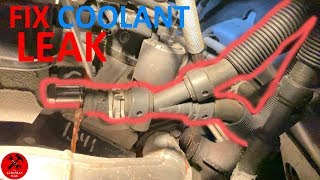
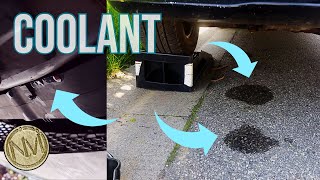
- Coolant Leaks: Finding puddles of green, orange, or pink fluid under the front of your van is a sure sign of a leak. Look for dried coolant stains on the radiator itself, especially around the plastic side tanks.
- Visible Cracks or Damage: You may be able to see cracks on the plastic tanks or damage to the cooling fins.
- Low Coolant Level: Constantly having to add coolant to the reservoir suggests there is a leak somewhere in the system.
- Steam from Engine Bay: If coolant is leaking onto hot engine parts, it will produce steam, which is often accompanied by a sweet smell.
Choosing the Right Aftermarket Radiator
For a vehicle of this age, a new aftermarket radiator is a practical and reliable choice. The original OEM radiators used similar plastic tank technology, and a modern replacement from a quality brand will meet or exceed the original performance. Aftermarket brands generally fall into a few tiers.
Tier 1: OEM-Quality Brands
These brands are often original equipment suppliers to car manufacturers and are known for excellent fit and quality. If you want the best, most reliable replacement, choose one of these.
- Denso: A globally recognized OEM supplier known for high-quality components that meet strict standards.
- CSF Radiator: Offers both OEM-style and high-performance radiators with a reputation for robust construction.
- Nissens: Another well-regarded brand in the aftermarket for cooling system parts.
- Koyorad: Known for making quality radiators with good performance.
Tier 2: Trusted Aftermarket Brands
These brands offer a great balance of quality and value. They are a popular choice for daily drivers and are known to be reliable replacements.
- Spectra: A widely available brand that is generally considered a dependable, direct-fit replacement.
- APDI: A common aftermarket brand providing a range of cooling products.
Tier 3: Value-Oriented Brands
These brands focus on providing a functional part at the lowest price point. They can be a good option for a budget repair, but may not have the same long-term durability or precise fit as higher-tier brands.
- Global Parts, One Stop Solutions, Onix
| Part Type | Estimated Cost |
|---|---|
| New Aftermarket Radiator | $64 - $323 |
| Shop Labor | $150 - $300 |
| Total Professional Replacement | $214 - $623 |
Pro Tip: Replace Other Parts While You're At It
When replacing the radiator, it's a good idea to inspect and likely replace the radiator hoses, thermostat, and radiator cap. These parts are inexpensive and wear out over time. Replacing them now can save you from another cooling system repair down the road.
Frequently Asked Questions (FAQ)
Is replacing the radiator a DIY job?
For a person with moderate mechanical skills and basic tools, yes. The process involves draining the coolant, removing the upper radiator support, disconnecting hoses and fan connectors, and separating the A/C condenser before lifting the old radiator out. It typically takes between 1.5 and 3 hours.
Are there any recalls for the 1993-2001 Dodge Caravan radiator?
No. Searches of the National Highway Traffic Safety Administration (NHTSA) database show no specific safety recalls for the radiator on these models. Failures are typically due to the age and material of the part rather than a manufacturing defect.
Can I repair my cracked plastic radiator?
While repair kits with epoxy or plastic welding exist, they are generally considered temporary fixes. The constant pressure and temperature changes in the cooling system often cause these repairs to fail over time. Given the affordable cost of a new aftermarket radiator, replacement is the only reliable, long-term solution.
Do I need a special type of coolant for my Caravan?
Yes, using the correct coolant is important. For this era of Chrysler vehicle, a traditional green or a universal yellow/gold coolant is typically appropriate. Always check the coolant specifications in your owner's manual or on the coolant bottle to ensure compatibility. Mixing incompatible coolant types can cause sludge and clog the cooling system.
Helpful Videos
Technical Specifications
OEM Part Numbers: 4677524 4677524AA 4677694 4677694AA
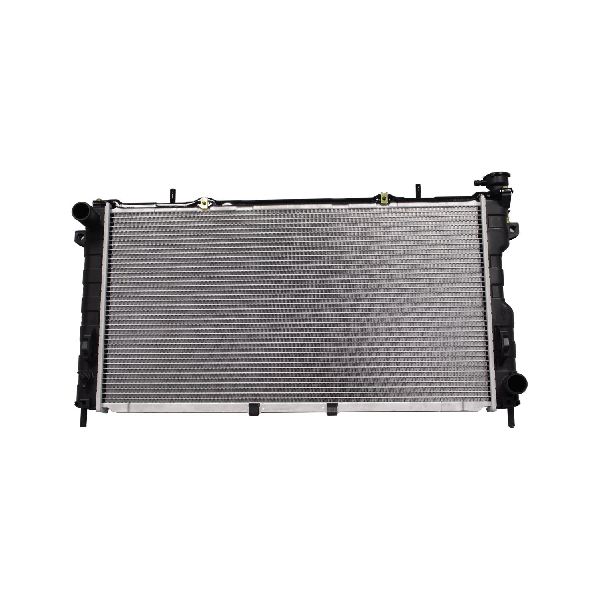
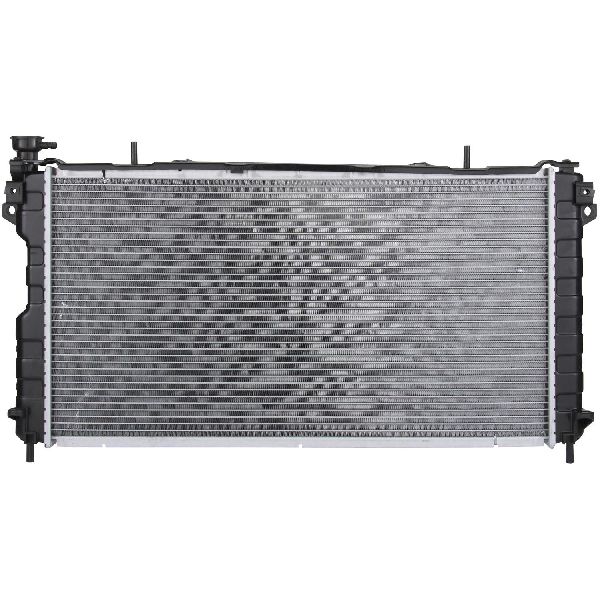
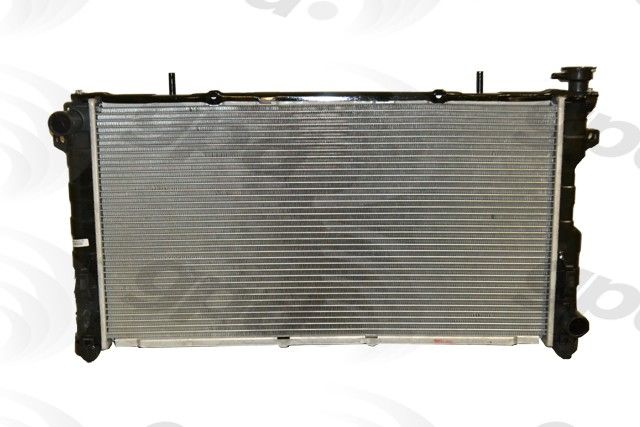
Construction: Aluminum core with plastic tanks. Core dimensions and hose locations vary by model year and engine size. Always verify fitment before ordering.
We Have This Part in Stock


The information in this article is provided for general reference and educational purposes only. Vehicle specifications, procedures, and part compatibility can vary by production date, trim level, and region. Always consult your vehicle's factory service manual and verify part numbers before purchasing or performing repairs. Safety-critical components such as airbags, seat belts, and braking systems should be installed by a qualified professional.
- Dodge Caravan:
- 🎬 Helpful Videos
- 🛍️ Shop This Part
- Is Your Dodge Caravan Radiator Failing?
- A Critical Note on Vehicle Generations
- Symptoms of a Bad Radiator
- Choosing the Right Aftermarket Radiator
- Tier 1: OEM-Quality Brands
- Tier 2: Trusted Aftermarket Brands
- Tier 3: Value-Oriented Brands
- Pro Tip: Replace Other Parts While You're At It
- Frequently Asked Questions (FAQ)
- 🎟️ Get 5% Off