

BMW 740i (1993-2002) Engine Coolant Temperature Sensor: A Complete Guide
Is your E38 740i running rough, getting poor gas mileage, or overheating? Your coolant temperature sensor might be the culprit.
- The primary sensor is located at the rear of the engine under the intake manifold, making replacement a difficult, labor-intensive job.
- Due to the high labor cost, always choose a high-quality OEM or premium aftermarket brand (like Delphi or Vemo) to avoid repeat failures.
- Symptoms often include a Check Engine Light (P0117/P0118), poor fuel economy, rough running, and potential overheating.
- A second temperature sensor in the lower radiator hose controls the aux fan and is much easier to replace, but rarely causes the main running issues.
Symptoms of a Failing Coolant Temperature Sensor on a 740i
A bad coolant temperature sensor on the E38 740i can cause a range of issues, from annoying to potentially engine-damaging. Because the sensor's data is so vital for engine management, a false signal can make the car behave erratically.
🎬 Watch: A visual guide to common bad sensor symptoms.- Check Engine Light: This is often the first sign. The DME will log fault codes like P0117 (signal too low) or P0118 (signal too high) when it detects a problem with the sensor's circuit.
- Poor Fuel Economy: If the sensor incorrectly tells the DME the engine is always cold, the computer will continuously inject too much fuel, causing the engine to run rich and waste gas.
- Black Smoke from Exhaust: A rich fuel mixture can result in unburnt fuel exiting through the exhaust, appearing as black smoke, especially during acceleration.
- Engine Overheating: Some BMW models use a second coolant sensor to control the electric cooling fans. If the primary or secondary sensor fails, the fans may not turn on when needed, leading to overheating, especially in traffic.
- Rough Idle and Poor Performance: With incorrect temperature data, the DME cannot properly manage the engine, leading to rough idling, hesitation, and a general lack of power.
- Hard Starting: When the engine is cold, a faulty sensor might not allow the DME to enrich the fuel mixture enough for an easy start.
Choosing the Right Aftermarket Sensor
For a simple electronic part like a coolant sensor, you don't always need to pay for a Genuine BMW part. However, quality varies significantly among aftermarket brands. For European cars, it's best to stick with known OE suppliers or reputable aftermarket manufacturers.
| Brand Tier | Brands | Assessment |
|---|---|---|
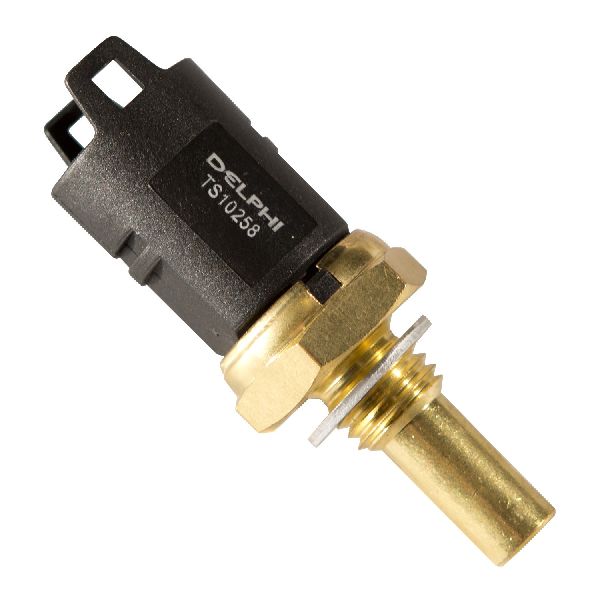
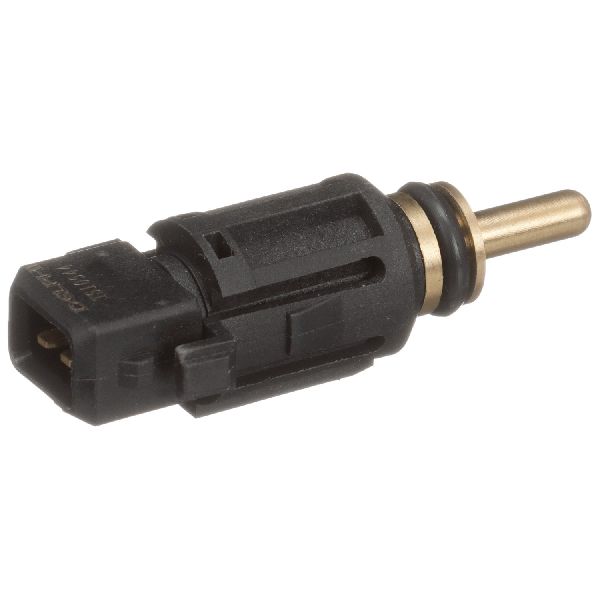
| Premium Aftermarket / OE Supplier | Delphi, NGK, Vemo | These brands are often original equipment suppliers to BMW or have a strong reputation for quality electronics that meet or exceed OEM specifications. They are a reliable choice for a critical sensor. |
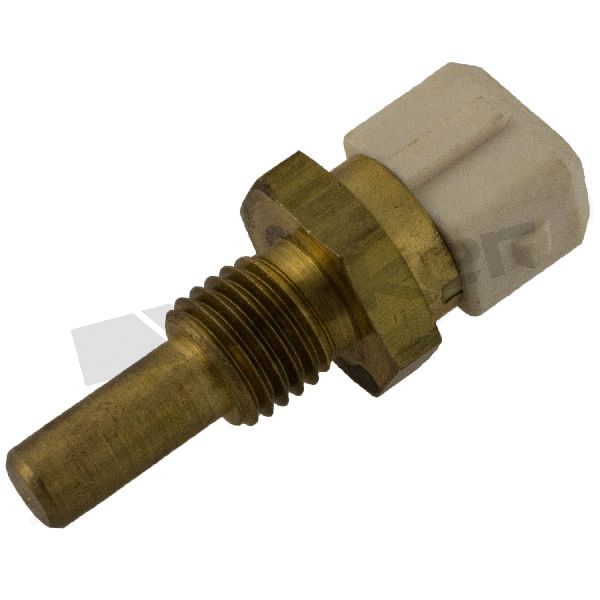
| Standard Aftermarket | Facet, Standard Ignition (SMP), Walker Products, Holstein | These are established aftermarket brands that offer a good balance of price and quality. They are generally considered a safe bet for most repairs. |
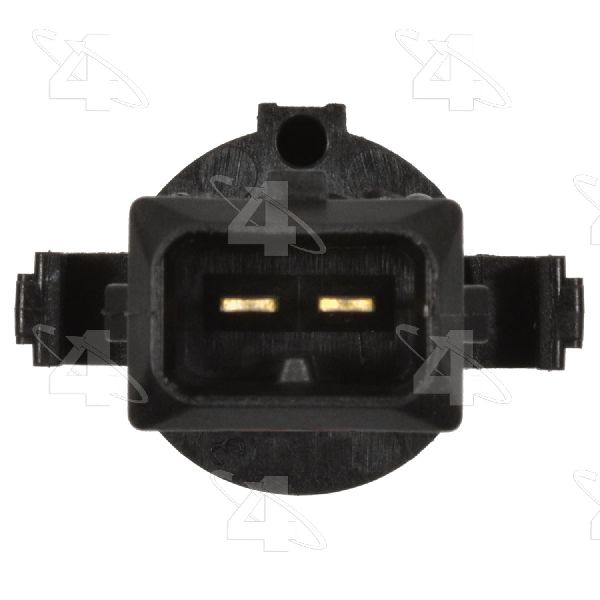
| Economy Aftermarket | URO Parts, True Tech, Four Seasons, Global Parts, VNE | These brands offer the lowest price point. While some simple metal parts from brands like URO can be acceptable, their electronic components have a mixed reputation in BMW communities. For a sensor that is very difficult to replace, saving a few dollars on the part itself is a risky trade-off. |
A Note on Sensor Location & Replacement Difficulty
The 1993-2002 BMW 740i (with the M60 and M62 V8 engines) has its primary engine coolant temperature sensor located at the rear of the engine, underneath the intake manifold. This makes replacement a labor-intensive job that requires removing the intake manifold. Because of the high labor cost, it is strongly recommended to use a high-quality OEM or premium aftermarket sensor to avoid having to do the job twice.
Frequently Asked Questions (FAQ)
How many coolant temperature sensors does the 1993-2002 740i have?
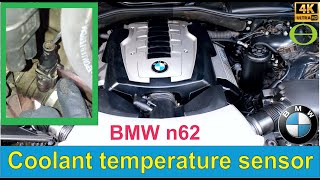
Most E38 740i models have two main temperature sensors. The primary one, located at the back of the engine, sends data to the DME for engine management and the dashboard temperature gauge. A secondary sensor, often located in the lower radiator hose, is typically used to activate the auxiliary electric cooling fan. The symptoms described in this article are almost always caused by the primary sensor.
Can I replace the 740i's main coolant sensor myself?
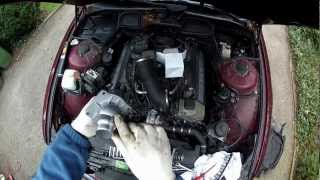
Replacing the primary sensor on the M60/M62 V8 engine is a difficult and time-consuming DIY project. It requires removing the entire intake manifold assembly 🎬 Watch: Step-by-step walkthrough of the intake manifold removal process. to gain access. This job is best left to experienced DIY mechanics or a professional shop. The secondary sensor in the radiator hose, however, is very easy to replace.
Is an expensive OEM sensor better than a cheap aftermarket one?
For this specific part, yes. Given the 3+ hours of labor required for replacement, the small cost savings of an economy part is not worth the risk of premature failure. A faulty sensor can leave you stranded or even lead to engine damage from overheating. Sticking with Genuine BMW or a top-tier aftermarket brand like Delphi or Vemo is highly recommended.
Will a bad coolant temp sensor prevent my car from starting?
It can cause hard starting, but it's less likely to cause a complete no-start condition. The engine may struggle to fire up, especially when cold, because the fuel mixture is incorrect.
Helpful Videos

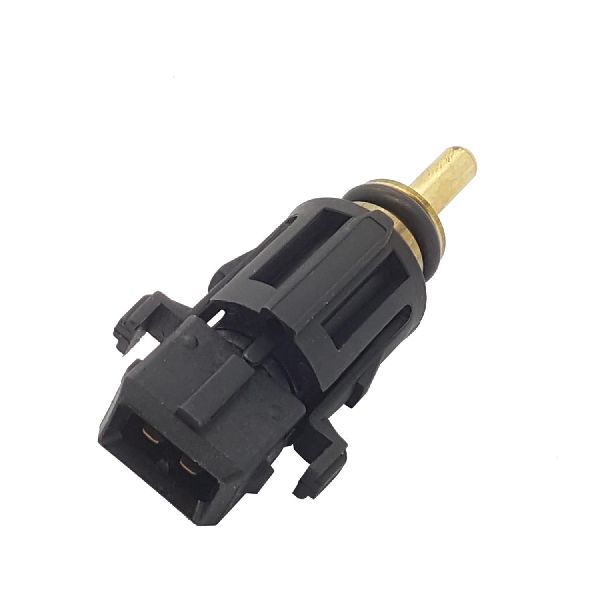
Technical Specifications
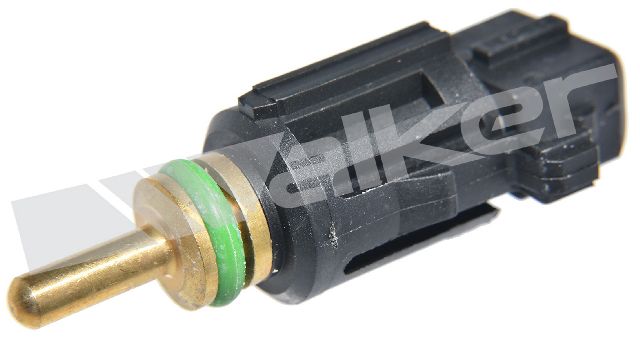
OEM Part Numbers: 13621703993 12621710535 12621747281
This is a 4-pin, double temperature switch that provides data to both the DME and the instrument cluster gauge.
We Have This Part in Stock

The information in this article is provided for general reference and educational purposes only. Vehicle specifications, procedures, and part compatibility can vary by production date, trim level, and region. Always consult your vehicle's factory service manual and verify part numbers before purchasing or performing repairs. Safety-critical components such as airbags, seat belts, and braking systems should be installed by a qualified professional.
- BMW 740i: