

Ignition Control Module Guide for 1993-2002 Chevrolet Camaro
Solve common stalling, misfire, and no-start problems in your 4th Generation Camaro by understanding, diagnosing, and replacing the ignition control module.
- The most common symptom of failure is the engine stalling when hot and refusing to restart until it cools down.
- Applying thermal paste to the back of the new module is mandatory for it to survive; skipping this step will cause rapid failure.
- For reliability, choosing a premium brand like ACDelco or Delphi is strongly recommended over cheaper, unbranded parts.
- The replacement is a simple DIY job for LT1 and V6 models, requiring only basic hand tools and about an hour of time.
Is Your Camaro Stalling When Hot? It Could Be the Ignition Module.


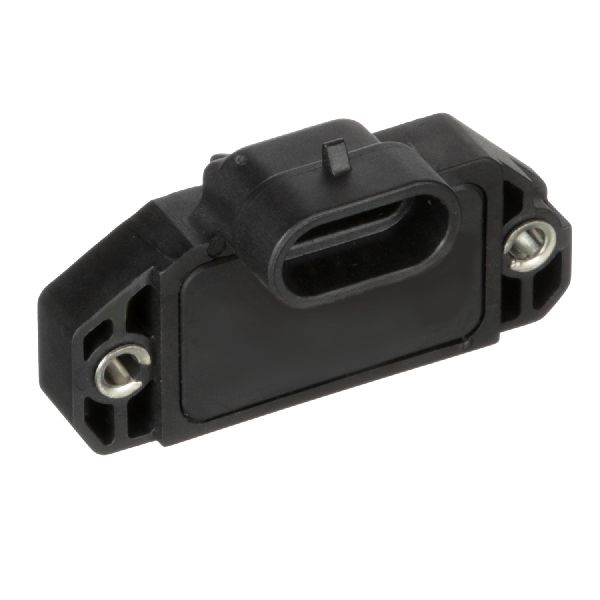
One of the most common electronic failures on the 1993-2002 Chevrolet Camaro is the ignition control module (ICM). This is especially true for the 1993-1997 LT1 V8 models, where the module is mounted directly to the cylinder head and endures constant, intense heat. When the ICM gets too hot, its internal electronics can fail, leading to frustrating and predictable symptoms. Understanding these signs is the first step to getting your Camaro back on the road.
Common Symptoms of a Failing Ignition Control Module
- Engine Stalls When Warm: This is the most classic symptom. The car runs fine when cold, but after 15-20 minutes of driving, it will stumble and die. It often will not restart until the engine has cooled down for a significant period.
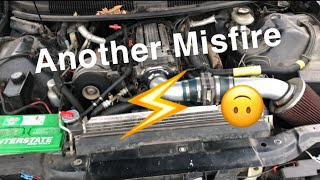
- Complete No-Spark Condition: The engine will crank over but will not start. You can confirm this by checking for spark at the plugs. 🎬 Watch this video for tips on troubleshooting a no-spark condition. A dead ICM is a very common cause of a no-spark situation.
- Hesitation and Misfiring: The car may hesitate during acceleration, run rough, or misfire as the module begins to fail intermittently. This can feel like the engine is sputtering or losing power.
- Check Engine Light: A failing ICM can trigger the check engine light, but it often does not, especially with intermittent, heat-related failures. On 1994-1995 models, specific OBD-I codes (like DTC 41 or 42) can point to the ICM without illuminating the main warning light.
Choosing the Right Aftermarket Ignition Module
When it comes to a part that can leave you stranded, quality matters. While budget options are available, owner experiences strongly suggest investing in a reputable brand is worth the cost.
| Brand Tier | Brands | Quality & Performance Assessment |
|---|---|---|
| Premium OE / OEM-Equivalent | ACDelco, Delphi | ACDelco is the original GM parts brand, and Delphi was the Original Equipment Manufacturer for many of these modules. These are your best bet for factory-correct fit, performance, and longevity. They are engineered to meet GM's original specifications for heat resistance and durability. |
| Quality Aftermarket | Standard Ignition (SMP) | Standard Motor Products is a well-respected aftermarket manufacturer. Their parts are often considered a reliable alternative to OEM and are trusted by many professional mechanics. Some users have had good experiences with this brand when OEM parts were unavailable or too costly. |
| Economy / Budget | Holstein, Store Brands | These parts offer a lower upfront cost, but forums and repair videos contain many stories of these modules failing prematurely, sometimes within months. Given the risk of being stranded, these are generally not recommended unless for temporary use. |
PRO TIP: Don't Forget the Thermal Paste!
The single most important step when replacing an ICM is to apply a layer of thermal compound (heat sink grease) to the metal back of the new module. This paste fills microscopic gaps between the module and its mounting surface, ensuring proper heat transfer away from the electronics. Failing to use this grease will cause the new module to overheat and fail very quickly. Most quality new modules include a small packet of this grease.
Frequently Asked Questions (FAQ)
Where is the ignition control module located on my Camaro?
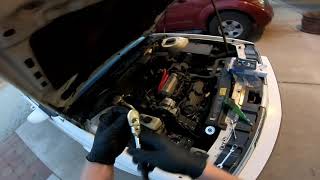
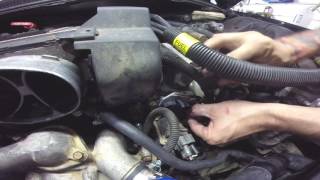
The location depends on your engine. For 1993-1997 LT1 V8 models, it is mounted on a bracket on the driver's side cylinder head, right next to the ignition coil. 🎬 Watch this step-by-step guide to replacing the LT1 module and coil. For 1995-2002 3.8L V6 models, it is located underneath the three ignition coil packs on the passenger side of the engine.
🎬 See how to replace the module and coils on V6 models.Is an ignition control module the same as an ignition switch?
No. The ignition control module is an electronic component in the engine bay that controls spark timing. The ignition switch is the mechanical and electrical part in your steering column that you turn with the key. The widespread GM ignition *switch* recall did not apply to the 1993-2002 Camaro generation.
Can I test my old ignition control module?
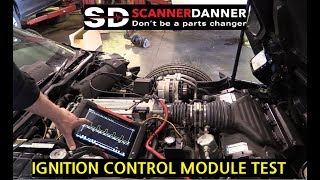
Yes, most auto parts stores can test them for you. However, because the failure is often heat-related, a module might pass the test when it's cool. Ask the store to run the test several times in a row to help build up some heat and potentially expose an intermittent fault.
What is the difference between the ICM on an LT1 vs. an LS1?
The 1993-1997 LT1 V8 uses a single ignition coil and a single ignition control module that works with the Optispark distributor. The 1998-2002 LS1 V8 uses a more modern coil-on-plug system, where each spark plug has its own individual ignition coil. The LS1 does not have a single, separate ICM in the same way the LT1 and V6 engines do; its functions are integrated differently.
Helpful Videos
Technical Specifications
OEM Part Numbers: 10482803 19257728 10483131 19352930 10469470
Varies by engine (V6, LT1 V8). The module is an electronic switching device that controls ignition coil dwell and firing. It mounts to a metal bracket or engine block which acts as a heat sink. Proper function requires the use of thermal transfer compound between the module and its mounting surface.
We Have This Part in Stock


The information in this article is provided for general reference and educational purposes only. Vehicle specifications, procedures, and part compatibility can vary by production date, trim level, and region. Always consult your vehicle's factory service manual and verify part numbers before purchasing or performing repairs. Safety-critical components such as airbags, seat belts, and braking systems should be installed by a qualified professional.
- Chevrolet Camaro: