

Jeep Cherokee 1993-2002 Crankshaft Position Sensor: An Owner's Guide
Don't get stranded—learn why your 4.0L engine is so picky about this critical sensor and how to choose the right replacement.
- The 4.0L engine is extremely picky; use a Mopar or NTK brand sensor to avoid repeat failures.
- Sudden stalling when the engine is hot is a classic sign of a failing crankshaft position sensor.
- A 'crank, no start' condition is the most common symptom of a completely failed sensor.
- Replacement is a difficult job due to the sensor's location; ensure you have long extensions and a swivel socket.
Symptoms of a Failing Crankshaft Position Sensor
A failing crankshaft position sensor in the Jeep Cherokee XJ doesn't usually die quietly. The symptoms are often sudden and can leave you on the side of the road. Because this sensor is so critical to engine operation, its failure leads to serious drivability issues.
The most common signs include:
- Crank, No Start: The engine will turn over but will not fire up and run. This is the most definitive symptom of a completely failed CPS.
- Engine Stalls When Hot: The engine runs fine when cold but suddenly stalls after reaching operating temperature. It may restart after it has cooled down for 30 minutes or more. This is known as thermal failure and is very common with this sensor.
- Intermittent Stalling: The engine may cut out for a moment or stall completely while driving, sometimes when hitting a bump or making a turn.
- Rough Idle or Misfiring: The engine may run poorly, stumble, or buck, as the ECU receives an erratic signal.
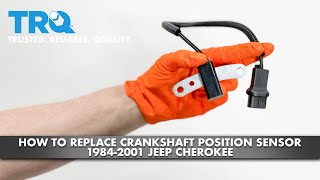
- Check Engine Light: A failing sensor can trigger diagnostic trouble codes, most commonly P0320 or P1391. 🎬 Watch this guide on testing for a no-start condition.
A Warning for XJ Owners: OEM vs. Aftermarket Quality
The Jeep 4.0L engine is legendary for its durability, but it is notoriously sensitive to the quality of its crankshaft position sensor. Forum posts and mechanic testimonials are filled with stories of owners who tried to save money with a cheap aftermarket sensor, only to have the same problems return immediately or within a few weeks. Many cheap sensors are dead-on-arrival (DOA) or have incorrect internal resistance, providing a signal the Jeep's computer cannot properly read. For this specific part, "buy once, cry once" is the best philosophy.
Choosing the Right Aftermarket Part: Brand Tiers
Not all aftermarket sensors are created equal. When shopping for a replacement, it's best to categorize them by quality and reliability.
Tier 1: OEM & OEM-Equivalent
- Mopar: This is the original factory part. It is the most recommended and trusted option for a trouble-free repair. While it is the most expensive, it is the benchmark for quality and longevity.
- NTK (a brand of NGK): NTK is widely reported to be the original equipment manufacturer (OEM) that made the sensor for Mopar. This is considered the best aftermarket choice, offering OEM quality without the dealership price tag.
Tier 2: Reputable Aftermarket
- Standard Ignition (SMP) / NAPA Echlin: These brands are generally considered a step above basic store brands and have a decent reputation in the industry. While not as universally trusted as Mopar or NTK for this specific part, they are a viable mid-range option if Tier 1 is unavailable.
- Delphi: Delphi is a major OEM supplier for many manufacturers and generally produces reliable sensors.
Tier 3: Budget Brands (Use with Caution)
- Dorman, Crown, Store Brands (e.g., Duralast): While these brands offer a low price point, they are the most frequently cited in forums for failing quickly or not working at all right out of the box for this application. Using a Tier 3 sensor is a gamble that can lead to doing the difficult replacement job more than once.
Installation Pro-Tip
Replacing the CPS on an XJ is a famously frustrating job due to its location. The sensor is on the driver's side of the bellhousing, tucked away at the very top. Access is extremely limited. The job requires a combination of very long socket extensions (2-3 feet), a swivel socket adapter, and an 11mm or 7/16" socket to reach the two mounting bolts from underneath the vehicle. Be prepared with the right tools and a lot of patience.
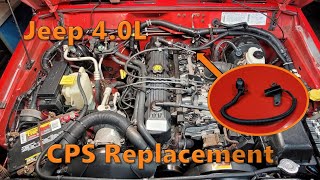
🎬 See this walkthrough for replacing the sensor on your XJ.Cost of Replacing a Crankshaft Position Sensor
| Part Type | Estimated Cost |
|---|---|
| New OEM (Mopar) | $100 - $160 |
| New Aftermarket (NTK, Delphi, etc.) | $24 - $96 |
| Shop Labor | $150 - $250 |
Frequently Asked Questions (FAQ)
Can I drive my Jeep with a bad crankshaft position sensor?
No. A failing sensor will likely cause the engine to stall without warning, and a fully failed sensor will prevent the engine from starting at all, leaving you stranded.
Where is the crankshaft position sensor located on a 1993-2002 Cherokee?
It is mounted to the top of the transmission bellhousing on the driver's side, where the engine and transmission meet. It is notoriously difficult to see and reach from the top or bottom.
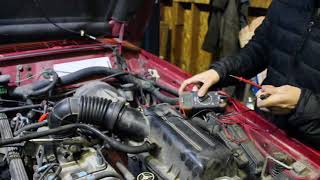
🎬 Watch a mechanic demonstrate the best way to reach the sensor.Why does my Jeep only stall when it's hot?
This is a classic symptom of 'thermal failure'. The electronic components and wiring inside the sensor can develop faults. When the engine heats up, these components expand, breaking the electrical connection. When the sensor cools, the connection is restored, and the engine may start again.
Why are cheap aftermarket sensors so unreliable on the 4.0L engine?
The Jeep 4.0L's computer is very sensitive to the voltage signal produced by the CPS. Many budget sensors use lower-quality magnets and internal components that don't produce a signal that is strong or clean enough for the ECU to read correctly, leading to persistent starting and stalling issues.
Helpful Videos

Technical Specifications
OEM Part Numbers: 56027866AC 56026921 56027865 56027866AB
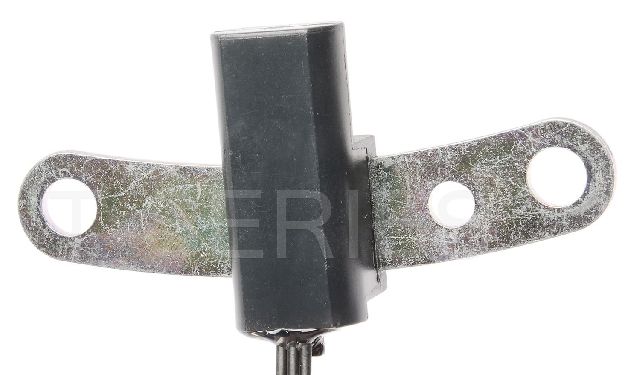
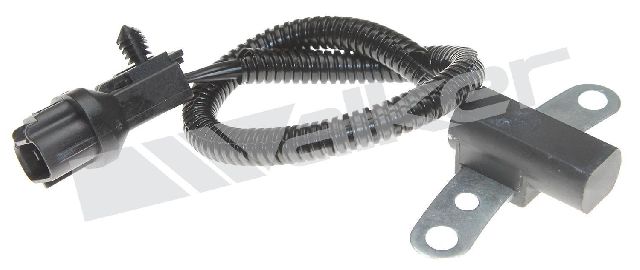
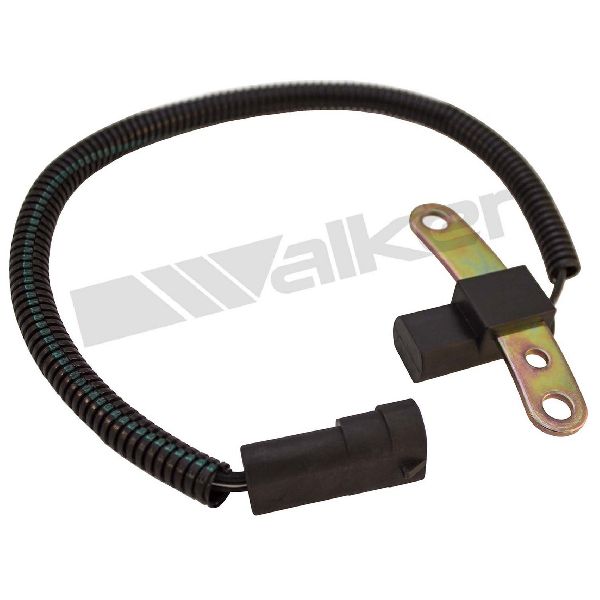
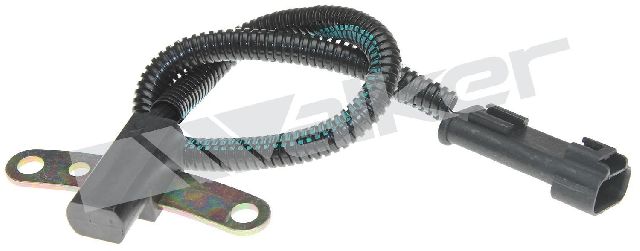
The sensor is a Hall-effect type sensor that reads notches on the flywheel to determine crankshaft speed and position. It is located on the driver's side of the transmission bellhousing and is held in place by two 11mm (or 7/16") bolts.
We Have This Part in Stock


The information in this article is provided for general reference and educational purposes only. Vehicle specifications, procedures, and part compatibility can vary by production date, trim level, and region. Always consult your vehicle's factory service manual and verify part numbers before purchasing or performing repairs. Safety-critical components such as airbags, seat belts, and braking systems should be installed by a qualified professional.
- Jeep Cherokee:
- 🎬 Helpful Videos
- 🛍️ Shop This Part
- Symptoms of a Failing Crankshaft Position Sensor
- A Warning for XJ Owners: OEM vs. Aftermarket Quality
- Choosing the Right Aftermarket Part: Brand Tiers
- Tier 1: OEM & OEM-Equivalent
- Tier 2: Reputable Aftermarket
- Tier 3: Budget Brands (Use with Caution)
- Installation Pro-Tip
- Cost of Replacing a Crankshaft Position Sensor
- Frequently Asked Questions (FAQ)
- 🎟️ Get 5% Off