

A Guide to Replacing Disc Brake Calipers on a 1993-2002 Mazda 626
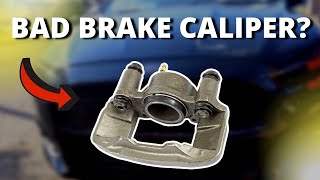
If your Mazda 626 is pulling to one side or you smell burning from the wheels, a bad brake caliper could be the culprit.
- Seized calipers are the most common failure, causing pulling, burning smells, and uneven pad wear.
- Always replace calipers in pairs (both front or both rear) to maintain balanced braking.
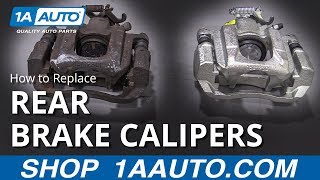
- Rear calipers are more complex due to the integrated parking brake and require a special tool to retract the piston.
- Before ordering, confirm if your 626 has rear disc brakes, as some base models used drum brakes.
Is Your Mazda 626's Brake Caliper Failing?
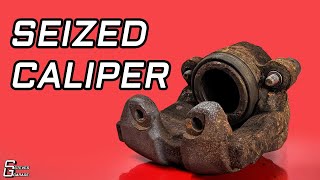
Brake calipers on the 1993-2002 Mazda 626 are robust parts, but they don't last forever. After years of exposure to heat, moisture, and road grime, they can fail. The most common failure is a seized or sticking caliper. This happens when the caliper piston or the slide pins corrode and can no longer move freely. Instead of releasing the brake pad from the rotor when you take your foot off the pedal, it stays engaged, causing constant drag on one wheel.
Key Symptoms of a Bad Caliper
🎬 Watch: A visual guide to identifying bad caliper symptoms.- Vehicle Pulling: The car pulls to one side while driving or braking. This is the most common sign of a seized caliper.
- Burning Smell: A hot, acrid smell from one of the wheels after driving is a sign of excessive heat from a dragging brake. You might even see smoke in severe cases.
- Uneven Brake Pad Wear: When you inspect your brakes, the pad on one side of the caliper (usually the inner pad) will be much more worn than the outer pad.
- Brake Fluid Leaks: You might see fluid that looks like clear oil on your wheel or on the ground. This indicates a failed seal in the caliper.
- Spongy or Soft Brake Pedal: If a seal has failed and is leaking fluid, air can get into the system, making the pedal feel soft.
- Grinding or Squealing Noises: A stuck caliper can cause the brake pads to wear down to the metal backing plate, causing a loud grinding noise.
Check Your Rear Brakes First
Some 1993-2002 Mazda 626 models, typically lower trims with the 4-cylinder engine, were equipped with rear drum brakes, not disc brakes. Before ordering parts, visually confirm that you have disc brakes (a caliper and a flat rotor) on your rear wheels. This guide only applies to models with four-wheel disc brakes.
Known Issues for the 1993-2002 Mazda 626
While there are no widespread recalls specifically for caliper failure on this generation, a recall was issued for the 1999-2000 model years (NHTSA 00V074) for a faulty brake master cylinder cap. This could create a vacuum in the brake system that might prevent the calipers from releasing properly. Seized slide pins and pistons are the most common age-related failures reported by owners in forums. The rear calipers, with their integrated parking brake mechanism, can be particularly susceptible to seizing if the parking brake is not used regularly.
Choosing the Right Aftermarket Caliper
Since new OEM (Original Equipment Manufacturer) calipers for a vehicle of this age are often unavailable or very expensive, the aftermarket is your best bet. You will primarily find new aftermarket and remanufactured calipers. Remanufactured calipers use the original factory housing (the core) and are rebuilt with new seals, pistons, and hardware. They are a very common and reliable choice.
Here's a look at the brands available, tiered by general market perception based on user reviews and forum discussions.
Brand Quality Tiers
- Standard Quality (Good): Brands like Centric and Raybestos are well-regarded in the aftermarket for providing good, reliable quality. They are often the go-to choice for a daily driver, offering a balance of price and performance that meets or exceeds the original part's quality. Many professional mechanics use these brands.
- Performance Quality (Better): Powerstop calipers are often sold as part of a kit with upgraded pads and rotors. They are known for their powder-coated finish (usually red or black) which helps prevent corrosion. While they may be priced higher, they are a great choice if you want improved aesthetics and durability.
- Economy (Basic): Brands like Cardone and Dynamic Friction often represent the most budget-friendly options. While many users have good experiences, the consensus is that quality control can be more hit-or-miss compared to standard or premium brands. They can be a good choice if budget is the primary concern, but inspect the part carefully before installation.
- BBB Industries is a major remanufacturer, often supplying parts that are rebranded. Their quality is generally considered to be in the economy-to-standard range.
What is a Core Charge?
When you buy a remanufactured caliper, you will often see a "core charge." This is a deposit you pay that is refunded when you send your old, failed caliper back to the seller. This allows the manufacturer to rebuild your old part and keep the supply of remanufactured parts available.
Estimated Costs for Caliper Replacement
| Part / Service | Estimated Cost |
|---|---|
| New Aftermarket Caliper (Each) | $53 - $111 |
| Shop Labor (Per Caliper) | $100 - $200 |
| Total Professional Replacement (Per Caliper) | $153 - $311 |
Costs are estimates and can vary by location and vehicle condition. It is highly recommended to replace brake pads and rotors at the same time as the caliper, which will add to the total cost.
Frequently Asked Questions
Should I replace my brake calipers in pairs?
Yes, it is highly recommended. Brakes are a balanced system. Replacing only one caliper can lead to uneven braking performance and pulling. Since the other caliper is the same age and has been subjected to the same conditions, it is likely not far from failing anyway.
Do new calipers come with brackets and hardware?
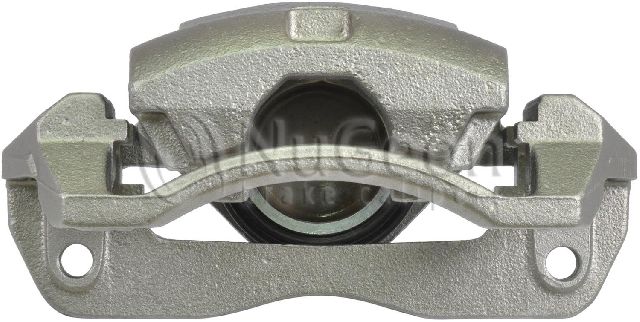
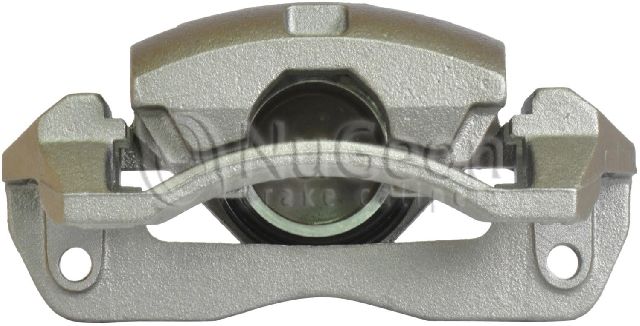
It depends. Some calipers are sold "semi-loaded," which means they may not include the mounting bracket or new hardware clips. "Loaded" calipers typically come with the bracket and pads installed. Always check the product description to see what is included.
Can I install a new caliper myself?
Yes, if you have mechanical experience. The job involves handling brake fluid, bleeding the brakes, and properly torquing bolts. The rear calipers on the 626 require a special tool to retract the piston for the parking brake mechanism. 🎬 See how to retract the rear piston and change pads. If you are not comfortable with these steps, it is best to have a professional mechanic do the work.
What is the difference between a front and rear caliper on my 626?
Front calipers are typically larger as they handle most of the braking force. Rear calipers on the Mazda 626 are unique because they have the parking brake mechanism built into them. This makes them more complex and not interchangeable with the front calipers.
Helpful Videos
Technical Specifications
Varies by front/rear and 4-cyl/V6 engine. Some front calipers use a single-bolt pivot design. Rear calipers integrate the parking brake mechanism.
We Have This Part in Stock

The information in this article is provided for general reference and educational purposes only. Vehicle specifications, procedures, and part compatibility can vary by production date, trim level, and region. Always consult your vehicle's factory service manual and verify part numbers before purchasing or performing repairs. Safety-critical components such as airbags, seat belts, and braking systems should be installed by a qualified professional.
- Mazda 626:
- 🎬 Helpful Videos
- 🛍️ Shop This Part
- Is Your Mazda 626's Brake Caliper Failing?
- Key Symptoms of a Bad Caliper
- Check Your Rear Brakes First
- Known Issues for the 1993-2002 Mazda 626
- Choosing the Right Aftermarket Caliper
- Brand Quality Tiers
- What is a Core Charge?
- Estimated Costs for Caliper Replacement
- Frequently Asked Questions
- 🎟️ Get 5% Off