

Mazda 626 Engine Intake Manifold Temperature Sensor Guide (1993-2002)
Having trouble with rough idling, poor performance, or bad gas mileage in your 626? Your intake air temperature sensor might be the problem.
- A failing IAT sensor on a 1993-2002 Mazda 626 commonly causes a Check Engine Light, poor gas mileage, and rough running.
- This is an easy and inexpensive DIY repair, typically taking less than 30 minutes with basic tools.
- High-quality aftermarket brands like Standard Ignition and True Tech are reliable and cost-effective solutions for this part.
- Ignoring the problem can lead to wasted fuel and potential damage to other components like spark plugs or the catalytic converter.
Symptoms of a Failing Intake Air Temperature Sensor
When the IAT sensor on your Mazda 626 starts to fail, it sends incorrect information to the engine's computer. This can cause a variety of noticeable problems. You should suspect a bad sensor if you experience one or more of the following issues.
🎬 Watch this video to see common IAT sensor failure symptoms.- Check Engine Light: This is often the first sign. The ECU will detect a problem with the sensor's signal and trigger a warning light. Common trouble codes include P0112 (circuit low) and P0113 (circuit high). 🎬 Learn how to fix common IAT sensor trouble codes.
- Poor Fuel Economy: If the sensor tells the computer the air is colder than it really is, the ECU will inject too much fuel, causing an overly rich mixture and wasting gas.
- Rough Idle: An incorrect air-fuel mixture can make your engine idle erratically or feel unstable when the car is stopped.
- Hesitation and Poor Performance: Your 626 might feel sluggish, hesitate when you press the gas pedal, or have a general lack of power because the combustion process is not optimized.
- Difficulty Starting: Especially when the engine is cold, a bad sensor can make it hard to start because the initial fuel mixture isn't correct for the conditions.
Choosing the Right Aftermarket Sensor
For a vehicle like the 1993-2002 Mazda 626, using a new aftermarket IAT sensor is a perfectly reliable and cost-effective choice. The original OEM sensors are often discontinued or expensive, and the technology of this part is straightforward. Aftermarket brands provide excellent value without sacrificing performance.
Available Aftermarket Brands
| Brand | Our Assessment |
|---|---|
| Standard Ignition | A well-known and respected brand in the aftermarket industry. Standard Ignition parts are generally considered to be of high quality, often meeting or exceeding OEM specifications. They are a solid choice for reliability and a long service life. |
| True Tech | Often positioned as a budget-friendly option, True Tech provides a functional replacement that gets the job done. For a simple sensor like the IAT, this brand offers a great value for drivers looking to solve their engine problems without a high cost. |
A Note on OEM vs. Aftermarket
While some repairs demand original manufacturer parts, the IAT sensor isn't typically one of them for this generation of Mazda 626. A quality aftermarket sensor from a reputable brand will perform just as well as the original part did when it was new. Given the age of the vehicle, the cost savings of choosing an aftermarket part make it the logical choice for most owners.
Replacement Cost
Replacing the IAT sensor is an affordable repair. The part itself is inexpensive, and if you have it done at a shop, the labor is minimal because it's usually easy to access.
Estimated Costs
| Item | Cost Range |
|---|---|
| New Aftermarket Part | $15 - $47 |
| Shop Labor | $48 - $70 |
| Total Estimated Cost (Shop) | $63 - $117 |
Frequently Asked Questions (FAQ)
Where is the IAT sensor located on a 1993-2002 Mazda 626?
The Intake Air Temperature sensor is typically located in the air intake path, after the air filter. On many Mazda 626 models, you will find it plugged into the air filter box or the flexible intake tube that leads to the throttle body. 🎬 See how to remove intake components to access the sensor. It's a small, two-wire sensor that is usually held in place by a clip or a small screw.
Can I clean the IAT sensor instead of replacing it?
Sometimes, cleaning the sensor can solve the problem, especially if it's just dirty from oil vapor or debris. You can use an electrical parts cleaner or mass air flow sensor cleaner. However, if the sensor has failed internally (a common issue with age), cleaning will not help, and replacement is the only solution. Given the low cost of a new sensor, replacement is often the most reliable fix.
What happens if I ignore a bad IAT sensor?
While a bad IAT sensor won't likely leave you stranded, ignoring it will lead to ongoing problems. You will continue to experience poor fuel economy, rough running, and reduced engine power. Over time, running a consistently rich fuel mixture can lead to other issues, such as premature failure of the catalytic converter or fouled spark plugs.
Is this a difficult DIY repair?
No, this is one of the easier repairs you can do. It typically requires only basic hand tools, like a screwdriver or a small socket set. The sensor is usually easy to access, and the process involves unplugging the electrical connector, removing the old sensor, installing the new one, and reconnecting it. For most DIYers, this job takes less than 30 minutes.
Helpful Videos

Technical Specifications
OEM Part Numbers: FS01-18-845 FSB9-18-845 KL01-18-845
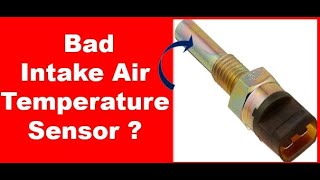
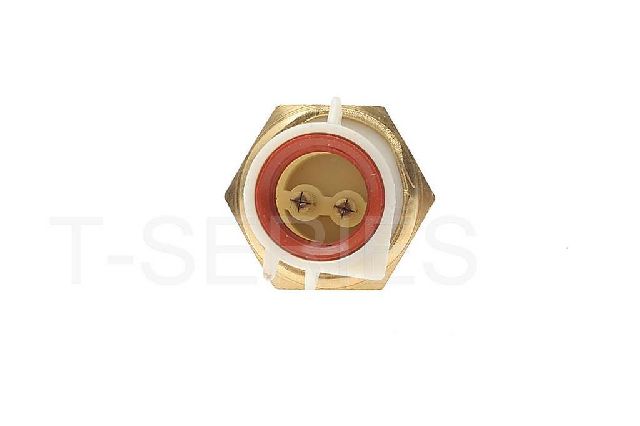
The sensor is a two-wire thermistor, which changes its electrical resistance based on the temperature of the air passing over it. It operates on a 5-volt reference signal from the ECU. The sensor is typically installed in the air filter housing or intake duct.
We Have This Part in Stock


The information in this article is provided for general reference and educational purposes only. Vehicle specifications, procedures, and part compatibility can vary by production date, trim level, and region. Always consult your vehicle's factory service manual and verify part numbers before purchasing or performing repairs. Safety-critical components such as airbags, seat belts, and braking systems should be installed by a qualified professional.
- Mazda 626: