

Mazda 626 Radiator Coolant Hose Replacement Guide (1993-2002)
Learn how to spot a failing radiator hose on your 626 and choose the right replacement part to prevent engine overheating.
- A failing radiator hose can cause critical engine overheating; replace it immediately if you see leaks, swelling, or cracks.
- Always verify the hose fits your specific engine (4-cylinder or V6) as they are not interchangeable.
- High-quality aftermarket brands like Gates, Dayco, and Continental are reliable and cost-effective alternatives to OEM parts.
- For best results, replace upper and lower hoses together and use new hose clamps.
Symptoms of a Failing Radiator Hose
Radiator hoses are wear-and-tear items that degrade over time due to heat and pressure. A failed hose can lead to rapid coolant loss and engine overheating. Look for these warning signs:
- Coolant Leaks: Puddles of sweet-smelling green, yellow, or pink fluid under your car are a major sign of a leak. A small leak might evaporate on the hot engine before it hits the ground, so look for a crusty residue around the hose connections.
- Engine Overheating: If your temperature gauge is climbing into the red, a coolant leak is a likely cause. A bad hose can't maintain pressure, leading to a loss of coolant 🎬 Learn the right way to refill and bleed your coolant. and cooling efficiency.
- Visible Hose Damage: Inspect your hoses regularly. If a hose feels spongy, soft, brittle, or looks swollen or cracked, it needs to be replaced immediately. Oil leaking onto a hose can also cause it to swell and degrade.
- Low Coolant Level: If you frequently need to top off the coolant in the reservoir, you have a leak somewhere in the system.
Choosing the Right Aftermarket Hose
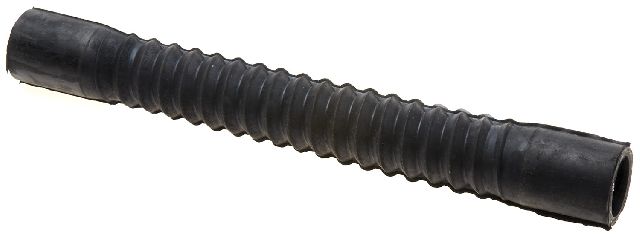
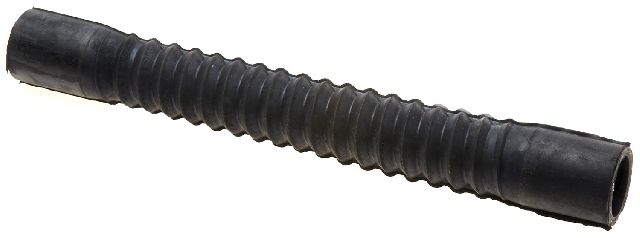
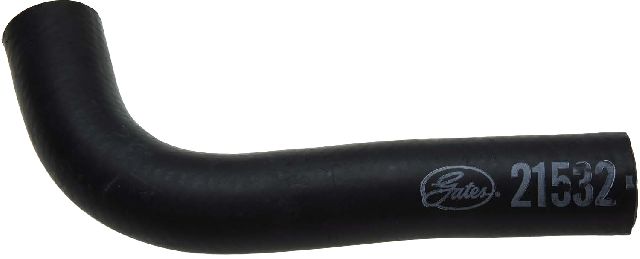
For the 1993-2002 Mazda 626, several reputable aftermarket brands offer quality replacement hoses. There is little practical difference in quality between OEM (Original Equipment Manufacturer) and high-quality aftermarket hoses from brands like Gates, Dayco, and Continental for this specific vehicle. These aftermarket brands are often OEM suppliers themselves and produce durable, reliable parts.
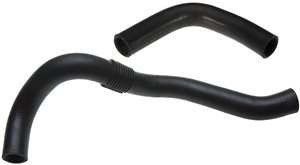
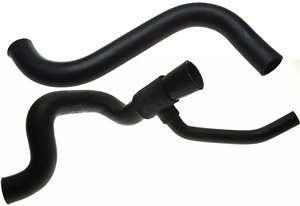
The most important factor is getting the correct molded hose for your specific engine (4-cylinder or V6) and year range, as the shape is critical for a proper, kink-free fit.
- Gates, Dayco, Continental: All are considered top-tier aftermarket brands. Forum discussions show that mechanics and DIYers use them interchangeably with good results. The choice often comes down to price and availability. All three produce hoses made from EPDM rubber, which is resistant to heat and electrochemical degradation—the leading cause of hose failure.
Pro Tip: Replace in Pairs
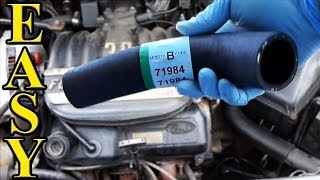
If one radiator hose has failed due to age, the other is likely not far behind. It is best practice to replace the upper and lower radiator hoses at the same time. Also, always replace the hose clamps when you install new hoses to ensure a perfect seal. 🎬 Watch this step-by-step guide to replacing upper and lower hoses.
Known Issues, Recalls, or TSBs
A search of the National Highway Traffic Safety Administration (NHTSA) database and other public records shows no specific recalls or technical service bulletins (TSBs) for radiator coolant hoses on the 1993-2002 Mazda 626. Failures are generally due to normal age and wear rather than a manufacturing defect. Some owners on forums have noted hard-to-find leaks from smaller bypass hoses connected to the main cooling system, so a thorough inspection is always wise if you have a persistent leak.
Cost of New Aftermarket Radiator Hoses
| Part | Price Range |
|---|---|
| Aftermarket Upper or Lower Radiator Hose | $21.46 - $41.03 |
Frequently Asked Questions (FAQ)
How many radiator hoses does my Mazda 626 have?
Your Mazda 626 has two main radiator hoses: an upper hose and a lower hose. There are also several smaller heater and bypass hoses in the cooling system. The main radiator hoses are the largest ones connected to the top and bottom of the radiator.
Is the hose different for the 4-cylinder vs. the V6 engine?
Yes, the hoses are different. The 4-cylinder and V6 engines have different layouts and require specifically molded hoses for a correct fit. Always confirm the part fits your specific engine before purchasing.
Should I replace my hose clamps too?
Yes. It is highly recommended to replace the hose clamps whenever you replace a coolant hose. Old clamps can lose their tension over time and may not provide a secure seal on the new hose, leading to leaks.
When should I replace my radiator hoses?
Radiator hoses don't have a strict replacement interval. You should replace them immediately if you notice any signs of damage like cracking, bulging, or sponginess. As a preventative measure, many mechanics recommend replacing them every 5 years or whenever you are replacing other cooling system components like the radiator or water pump.
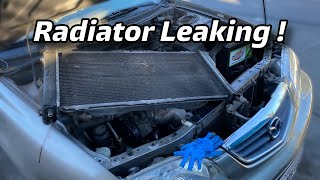
🎬 See how to replace the radiator on a Mazda 626.Helpful Videos
Technical Specifications
OEM Part Numbers: FSM1-15-185A KLG413682 FE3N-15-186 FS0515186 FSD715186
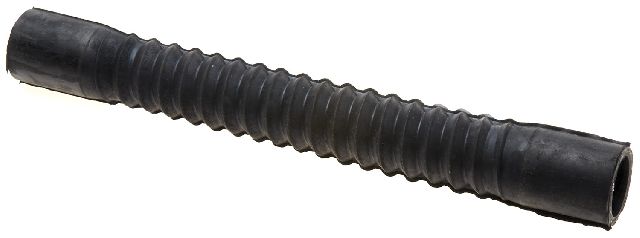
Hoses are vehicle-specific and molded to fit either the 2.0L 4-cylinder or 2.5L V6 engine. They are typically made from reinforced EPDM rubber to resist heat and chemical degradation.
We Have This Part in Stock

The information in this article is provided for general reference and educational purposes only. Vehicle specifications, procedures, and part compatibility can vary by production date, trim level, and region. Always consult your vehicle's factory service manual and verify part numbers before purchasing or performing repairs. Safety-critical components such as airbags, seat belts, and braking systems should be installed by a qualified professional.
- Mazda 626: