

Throttle Position Sensor (TPS) Guide for the 1993-2002 Mazda 626
Solve poor acceleration, rough idling, and shifting problems in your Mazda 626 by understanding and replacing your throttle position sensor.
- Confirm your engine (4-cylinder or V6) before buying parts, as installation difficulty varies greatly.
- A new aftermarket TPS will likely need to be calibrated with a multimeter to ensure it sends the correct voltage.
- Symptoms like poor acceleration, rough idle, and harsh shifting are strong indicators of a failing TPS.
- Always scan for trouble codes to confirm the issue before replacing parts; codes P0120-P0124 point to the TPS.
Is a Bad Throttle Position Sensor Causing Your Mazda 626 Problems?


If your 1993-2002 Mazda 626 is experiencing issues like engine hesitation, stalling, or erratic shifting, a failing throttle position sensor (TPS) is a likely culprit. This sensor is a key link between your foot on the gas pedal and the engine's computer. Over time, the sensor's internal contacts can wear out from heat and constant use, sending incorrect signals that disrupt engine performance.
Common Symptoms of a Failing TPS
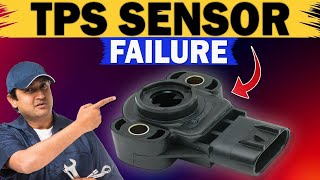
🎬 Watch this video to see common symptoms of a bad TPS.- Poor or Hesitant Acceleration: You press the gas, but the car lags, stumbles, or doesn't respond immediately.
- Rough or High Idle: The engine idles much higher or lower than usual, or the RPMs jump around uncontrollably while parked or at a stop.
- Harsh or Incorrect Shifting: Your automatic transmission may shift at the wrong times, slam into gear, or fail to shift at all.
- Engine Stalling or Misfiring: The engine may stall when you come to a stop or misfire while driving.
- Check Engine Light: A faulty TPS will often trigger the Check Engine Light. Common codes include P0120, P0121, P0122, and P0123.
A Tale of Two Engines: 4-Cylinder vs. V6 Installation
A critical factor for this repair is which engine your 626 has. The job's difficulty varies dramatically.
- V6 Engine (2.5L): The TPS is located right on top of the throttle body and is very easy to access. Replacement is a simple, straightforward job for any DIYer.
- 4-Cylinder Engine (2.0L): The TPS is buried on the lower side of the throttle body, making it extremely difficult to reach. To replace it properly, you will likely need to remove the entire intake manifold, turning a simple part swap into a much more involved job.
Choosing the Right Aftermarket TPS

Since new OEM sensors can be expensive or hard to find, the aftermarket is the go-to for most owners. The quality can vary, so it's important to choose wisely. Aftermarket brands generally fall into a few tiers.
| Brand Tier | Brands | General Quality Assessment |
|---|---|---|
| Premium / Mid-Grade | Beck Arnley, Standard Ignition (SMP), Walker Products | These brands have a long history in the aftermarket. Beck Arnley is known for often repackaging OEM parts, though this isn't guaranteed. Standard Ignition's regular line is a solid choice, but avoid their lower-cost "T-Series." These brands offer a good balance of quality and price for a daily driver. |
| Economy / Value | Replacement, Global Parts | These are typically private-label or generic brands that offer the lowest price. While they meet the basic fitment requirements, their internal components may not have the same durability or precision as higher-tier options. They can be a budget-friendly solution, but may have a shorter lifespan. |
Pro Tip: After installing a new aftermarket TPS, calibration is often necessary. This involves using a multimeter to adjust the sensor's position until the output voltage is within the correct range at both idle 🎬 Learn how to perform diagnostics on your Mazda 626 sensor. (closed throttle) and full throttle. Failure to calibrate the new sensor can result in the same performance issues you were trying to fix.
Frequently Asked Questions (FAQ)

Can I replace the Mazda 626 TPS myself?
If you have a V6 engine, yes. The sensor is easily accessible and requires only basic tools. If you have the 4-cylinder engine, the job is much more difficult due to the sensor's location and may require removing the intake manifold. This is best left to an experienced DIYer or a professional mechanic.
Do I need to disconnect the battery to replace the TPS?
Yes. It's a critical safety step to disconnect the negative battery terminal before working on any electronic sensor to prevent electrical shorts or damage to the engine computer.
What happens if I don't calibrate the new TPS?
An uncalibrated sensor may send the wrong voltage signals to the computer, even if it's brand new. This can lead to continued rough idle, poor acceleration, and incorrect shifting—the very problems you're trying to solve.
Is there a recall on the 1993-2002 Mazda 626 throttle position sensor?
No, there are no specific NHTSA recalls or Technical Service Bulletins (TSBs) for the throttle position sensor on this vehicle.
Helpful Videos
Technical Specifications
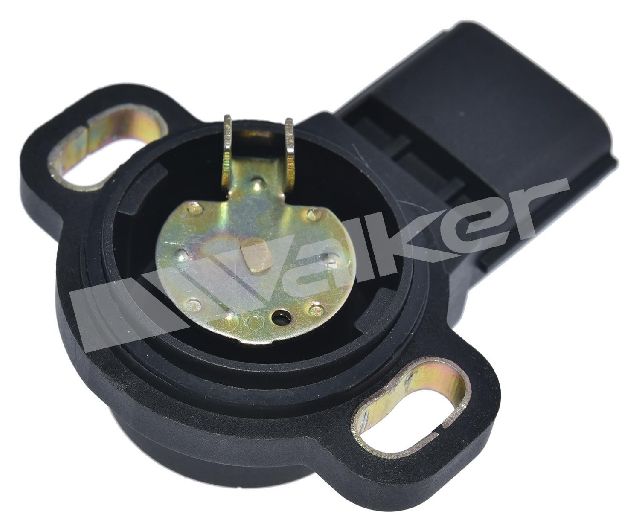
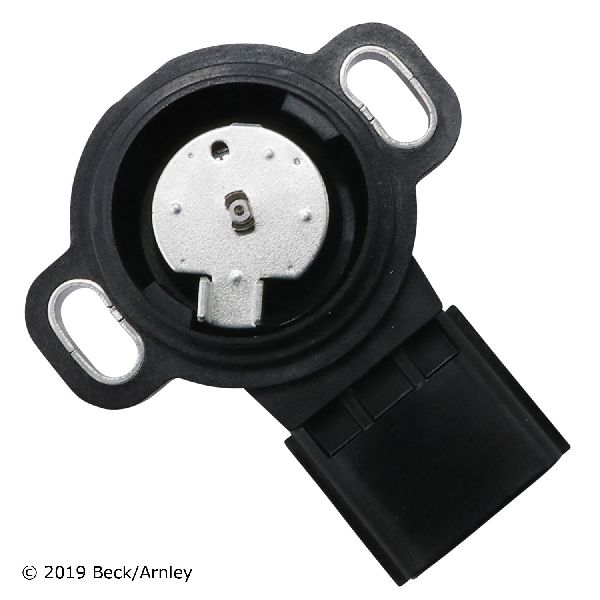
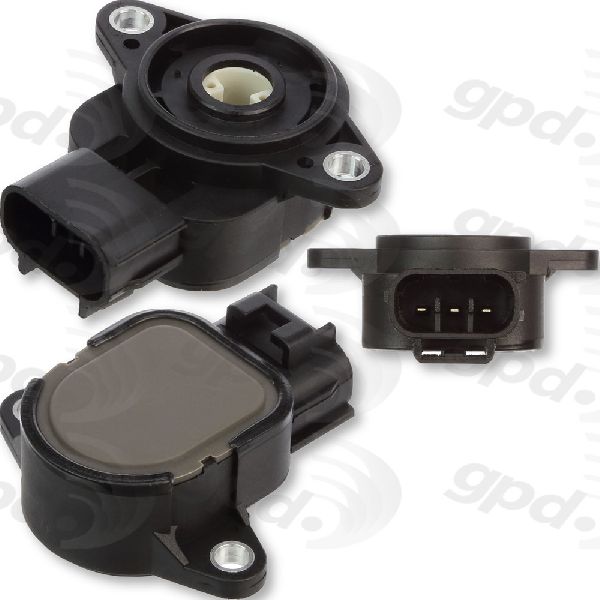
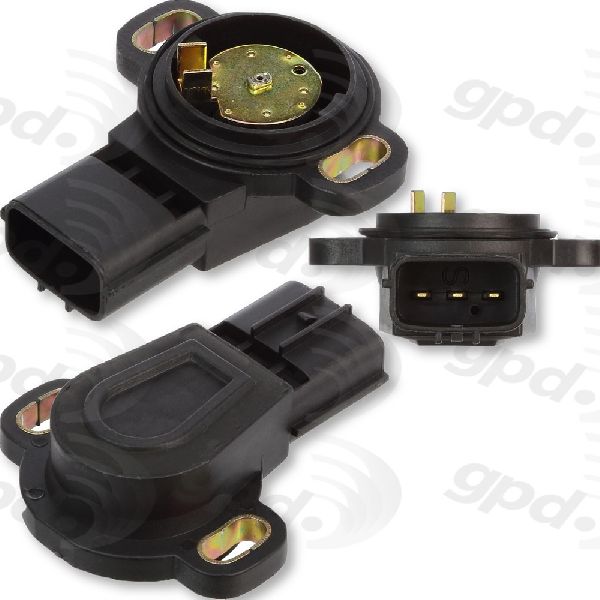
OEM Part Numbers: FS01-13-SL0 F32Z9B989B BP2Y-18-911A
3-prong blade male terminal connector. The sensor is a potentiometer that provides a variable voltage signal to the ECU based on throttle plate angle.
We Have This Part in Stock


The information in this article is provided for general reference and educational purposes only. Vehicle specifications, procedures, and part compatibility can vary by production date, trim level, and region. Always consult your vehicle's factory service manual and verify part numbers before purchasing or performing repairs. Safety-critical components such as airbags, seat belts, and braking systems should be installed by a qualified professional.
- Mazda 626: