

Mercury Cougar Disc Brake Hardware Kit Guide (1993-2002)
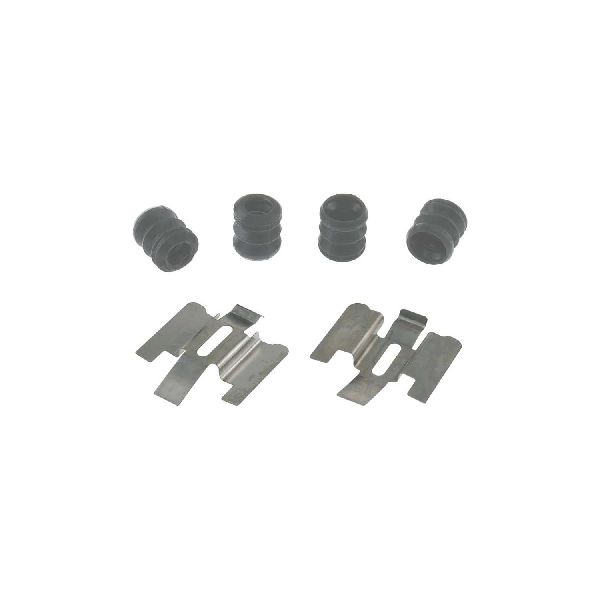
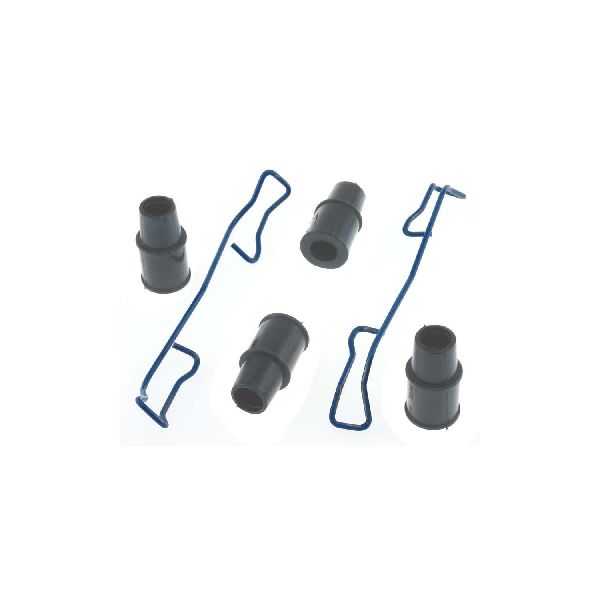
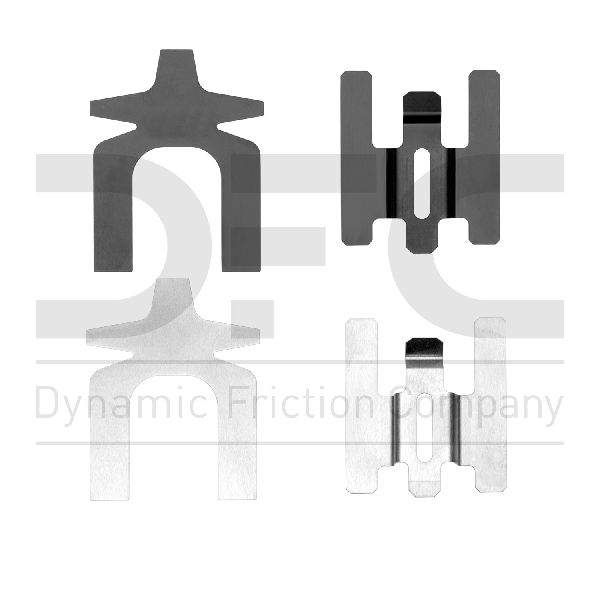
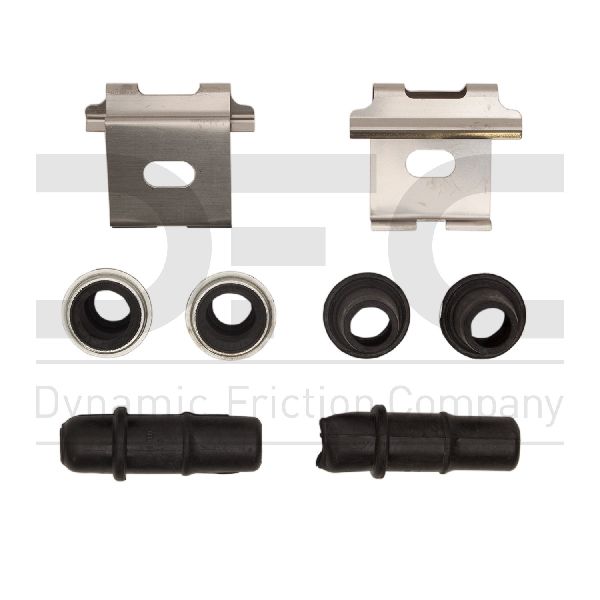
These small, inexpensive clips and springs are essential for a quiet and effective brake job on your Cougar.
- First, confirm if your Cougar is the 1993-1997 RWD model or the 1999-2002 FWD model, as the parts are completely different.
- For 1999-2002 models, visually check your rear wheels to see if you have disc brakes or drum brakes before ordering.
- Always replace the hardware when you replace your brake pads to ensure quiet operation and even wear.
- Choose a hardware kit made from stainless steel for the best durability and corrosion resistance, especially if you live in an area with road salt.
First: Identify Your Cougar Generation
Before buying any brake parts, you must know which Mercury Cougar you own. The 1993-2002 range covers two completely different cars, and their brake hardware is not interchangeable. This is the most common ordering mistake.
- 1993-1997 Cougar: This is a rear-wheel-drive (RWD) coupe built on the MN12 platform, shared with the Ford Thunderbird. These models typically have disc brakes on all four wheels.
- 1999-2002 Cougar: This is a front-wheel-drive (FWD) sport compact based on the Ford Contour platform. All have front disc brakes, but the rear brakes can be either disc or drum. Only certain V6 models came with rear disc brakes.
Symptoms of Worn-Out Brake Hardware
Brake hardware is a wear item. The constant heat cycles and exposure to road salt and moisture cause the metal clips and springs to lose tension, rust, and fail. When this happens, you may notice:
- Rattling or Clicking Noises: Loose or broken clips can allow the brake pads to rattle inside the caliper bracket, especially over bumps or during light braking.
- Squealing or Scraping: Worn hardware can cause the pads to sit at a slight angle, leading to high-pitched squealing even if the pads themselves are not worn out.
- Uneven Brake Pad Wear: If hardware is rusted or has lost tension, the pads can't slide freely. This can cause one pad to wear out much faster than the other.
- Brake Drag: Sticking hardware can prevent a pad from retracting from the rotor after you release the brake pedal. This causes a dragging sensation, excess heat, and can reduce fuel economy.
Choosing the Right Aftermarket Hardware Kit
For a vehicle like the 1993-2002 Cougar, a quality aftermarket hardware kit is an excellent choice. The original factory hardware was typically made of plain steel, which is prone to rust. Many aftermarket kits offer an upgrade.
Material is Key:
- Good (Economy): Zinc-plated steel hardware is the most basic option. It offers some corrosion resistance but may not last as long in areas with heavy road salt use.
- Better (Daily Driver): Coated or phosphated steel provides a more durable layer of protection against rust and corrosion.
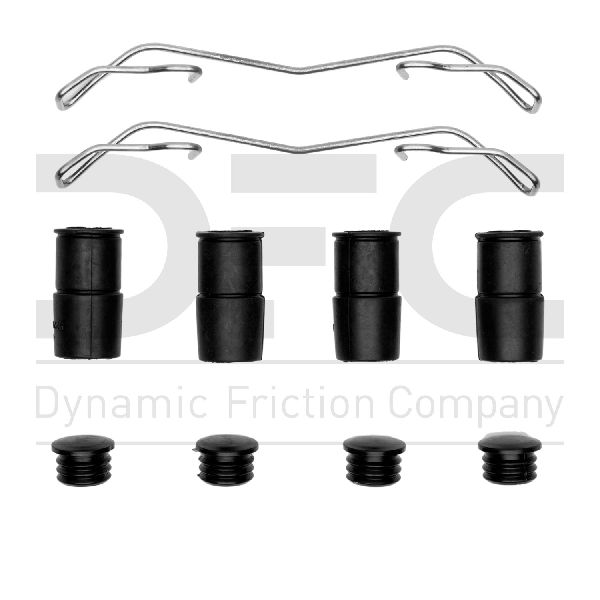
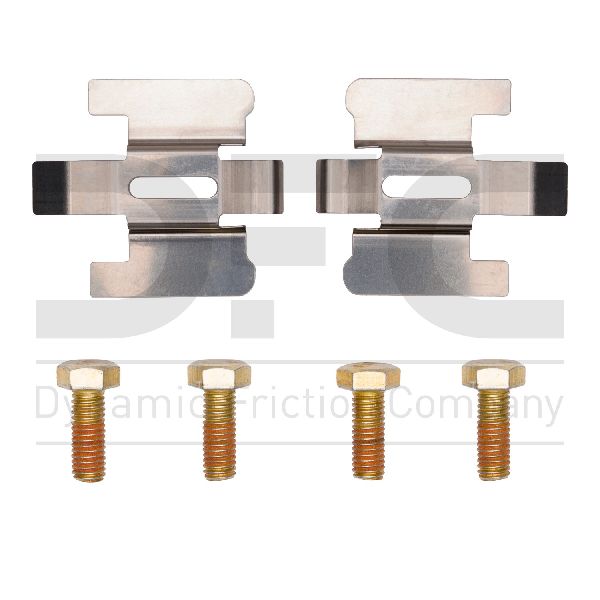
- Best (Premium): Stainless steel hardware is the top choice. It offers the best resistance to rust and will maintain its spring tension for the longest time, ensuring your brakes operate smoothly for the life of your pads. Brands like Dynamic Friction are often noted for using quality stainless components.
Among the available brands like Carlson, Centric, Dorman, Dynamic Friction, and Raybestos, focus on the material. A stainless steel kit from any of these reputable brands will serve you well. Centric and Raybestos are consistently regarded as reliable choices in owner forums.
Aftermarket Disc Brake Hardware Kit Cost
| Position (Front or Rear) | Price Range (per axle) |
|---|---|
| Front or Rear Hardware Kit | $5.96 - $45.10 |
Vehicle-Specific Known Issues
While there are no direct recalls for the disc brake hardware itself, some related service bulletins and recalls are relevant:
- 1993-1997 Models: A Technical Service Bulletin (TSB) was issued for complaints of squealing from the rear brakes. The fix involved an updated rear brake pad shim kit, which is part of the hardware. Another TSB noted that petroleum-based grease should no longer be used for lubricating brake components.
- 1999-2002 Models: A recall was issued for a faulty brake lamp switch that could fail, causing brake lights to stay on or not work at all (NHTSA ID: 01V032000). Another recall concerned a rear brake proportioning valve on some cars that could malfunction and increase the risk of rear-wheel lockup (NHTSA ID: 00V075).
Frequently Asked Questions (FAQ)
Do I really need to replace the hardware with my brake pads?
Yes, it is highly recommended. The old hardware has been subjected to thousands of heat cycles and is likely rusted or has lost its tension. Reusing it can lead to noise, brake drag, and uneven pad wear, compromising your entire brake job. For the low cost, it's cheap insurance for a quiet, long-lasting result.
Is OEM hardware better than aftermarket for my Cougar?
No. For a vehicle of this age, a quality aftermarket kit made from stainless steel is often a significant upgrade over the original plain steel parts. It will provide better corrosion resistance and longevity. Sourcing new OEM hardware may also be difficult and is not cost-effective.
What kind of grease should I use on the hardware?
Use a dedicated high-temperature silicone-based brake lubricant. Apply a thin layer to the points where the clips contact the caliper bracket and where the brake pad ears slide on the clips. Do NOT use petroleum-based grease like anti-seize, as it can damage rubber components and may not hold up to the high heat.
Can bad hardware cause my steering wheel to shake?
No, bad hardware itself does not typically cause steering wheel shake or pedal pulsation. That symptom is almost always caused by warped brake rotors. However, sticking hardware can cause brakes to drag and overheat, which can lead to rotors warping over time.
Technical Specifications
Brake systems are generation-specific. The 1993-1997 models are RWD and generally have 4-wheel disc brakes. The 1999-2002 models are FWD and came standard with front disc and rear drum brakes, with rear discs being an option on some V6 models.
We Have This Part in Stock

The information in this article is provided for general reference and educational purposes only. Vehicle specifications, procedures, and part compatibility can vary by production date, trim level, and region. Always consult your vehicle's factory service manual and verify part numbers before purchasing or performing repairs. Safety-critical components such as airbags, seat belts, and braking systems should be installed by a qualified professional.
- Mercury Cougar: