

Mercury Villager Engine Coolant Temperature Sensor Guide (1993-2002)
Solve poor fuel economy, rough idling, and overheating issues by understanding and replacing your Villager's coolant temperature sensor.
- A failing ECT sensor on your Villager can cause poor fuel economy, rough running, and overheating.
- This is an easy and inexpensive DIY replacement for most owners, typically taking less than 30 minutes.
- Choosing a quality aftermarket brand like NGK, Standard Ignition, or Beck Arnley is a reliable and cost-effective choice for this vehicle.
- Always inspect the wiring connector for corrosion or damage when replacing the sensor.
Is Your Villager's Engine Acting Up? It Could Be the ECT Sensor.
If your 1993-2002 Mercury Villager is experiencing issues like a check engine light, poor gas mileage, or an engine that runs rough, a faulty Engine Coolant Temperature (ECT) sensor could be the culprit. This sensor tells the engine's computer how hot or cold the engine is, which affects everything from fuel mixture to the temperature gauge on your dashboard. When it fails, the computer receives bad information, leading to a host of noticeable problems.
Common Symptoms of a Failing ECT Sensor
A bad ECT sensor can make your Villager's engine behave in several strange ways. Here are the most common signs to watch for:
- Check Engine Light: This is often the first sign. The computer detects a signal from the sensor that is out of the expected range and triggers a trouble code.
- Poor Fuel Economy: If the sensor wrongly tells the computer the engine is cold, the computer will enrich the fuel mixture, causing the engine to use more gas than necessary.
- Black Smoke from Exhaust: A very rich fuel mixture, caused by a bad sensor reading, can result in unburned fuel entering the exhaust, producing black smoke.
- Engine Overheating: If the sensor fails to report that the engine is getting hot, the cooling fans may not turn on when they are needed, leading to overheating.
- Rough Idle and Poor Performance: The engine may run rough, hesitate, or feel sluggish because the fuel mixture and ignition timing are not optimized for the actual engine temperature.
- Erratic Temperature Gauge: The temperature gauge on your instrument cluster might behave erratically, or not move at all, because it gets its information from the faulty sensor. 🎬 Watch: How the ECT sensor works and how to diagnose it.
Don't Ignore an Overheating Engine
While some symptoms are just an inconvenience, an overheating engine is a serious problem. If the sensor is preventing your cooling fans from turning on, you risk severe engine damage. If you notice the temperature gauge climbing into the red, it's best to stop driving as soon as it's safe.
Choosing the Right Aftermarket Sensor for Your Villager
For a vehicle like the 1993-2002 Villager, you don't necessarily need to buy an expensive Original Equipment (OE) part from the dealer. Many aftermarket brands offer quality replacement sensors that meet or exceed original specifications. The key is to choose a reputable brand.
Aftermarket sensors can be grouped into tiers:
- Premium Aftermarket (e.g., NGK/NTK, Standard Ignition, Beck Arnley): These brands have a strong reputation for quality and reliability. They often use high-quality materials and are engineered to match the original part's form, fit, and function. For a critical sensor like the ECT, spending a few extra dollars for a part from one of these brands is a wise investment.
- Standard/Value Aftermarket (e.g., Walker Products, Global Parts, URO Parts): These brands offer a more budget-friendly option. They are a viable choice for keeping an older vehicle on the road without a large expense. While generally reliable, their consistency might not match the premium brands.
Pro Tip: The Mercury Villager shares its platform with the Nissan Quest. Because of this, some parts, including sensors from brands like NTK (a division of NGK), are essentially OE quality for this vehicle. Cross-referencing part numbers can sometimes lead you to a high-quality part at a good price.
| Part Type | Estimated Cost |
|---|---|
| New Aftermarket Sensor | $4.99 - $47.79 |
| Shop Labor for Installation | $50 - $100 |
Frequently Asked Questions (FAQ)
Where is the ECT sensor located on a 1993-2002 Mercury Villager?
The ECT sensor is typically screwed into the engine's lower intake manifold, near the center of the engine in the front, or near the thermostat housing. It will have an electrical connector attached to it. Always ensure the engine is completely cool before attempting to locate or replace it.
Is replacing the ECT sensor a difficult job?
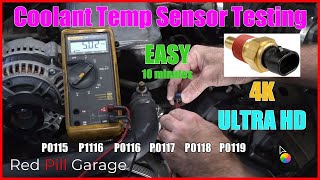
No, for most DIY mechanics, this is a relatively easy job. 🎬 See this walkthrough on how to test and replace the sensor. It usually requires a deep socket and ratchet. The main steps are to let the engine cool, disconnect the battery, unplug the sensor's electrical connector, unscrew the old sensor, and install the new one. Be prepared for a small amount of coolant to spill out when you remove the old sensor.
Do I need to drain the coolant to replace the sensor?
You don't have to drain the entire system. If you are quick, you will only lose a small amount of coolant. A pro tip is to leave the radiator cap on to create a vacuum, which can minimize coolant loss. Have the new sensor ready to screw in immediately after removing the old one.
Should I check anything else when replacing the sensor?
Yes. Before plugging in the new sensor, inspect the electrical connector harness. Look for any signs of corrosion, damage, or brittle wires. A bad connector can cause the same symptoms as a bad sensor. If the connector is damaged, it should be replaced as well.
🎬 Watch: How to replace a damaged coolant temperature sensor plug.Are there any recalls for the Villager ECT sensor?
Searches of the National Highway Traffic Safety Administration (NHTSA) database did not show any specific recalls for the engine coolant temperature sensor on the 1993-2002 Mercury Villager.
Helpful Videos
Technical Specifications
OEM Part Numbers: 226300M200 2263044B10 2263044B20 226307Y000
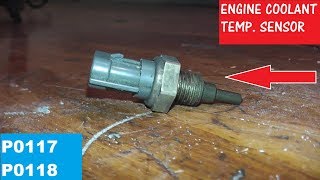
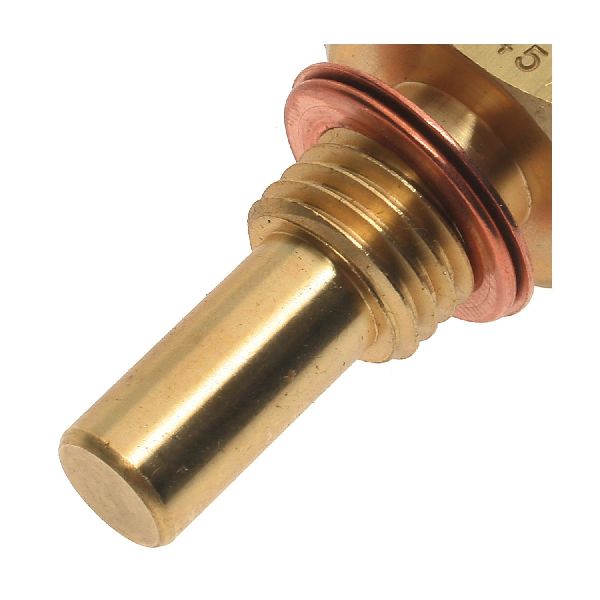
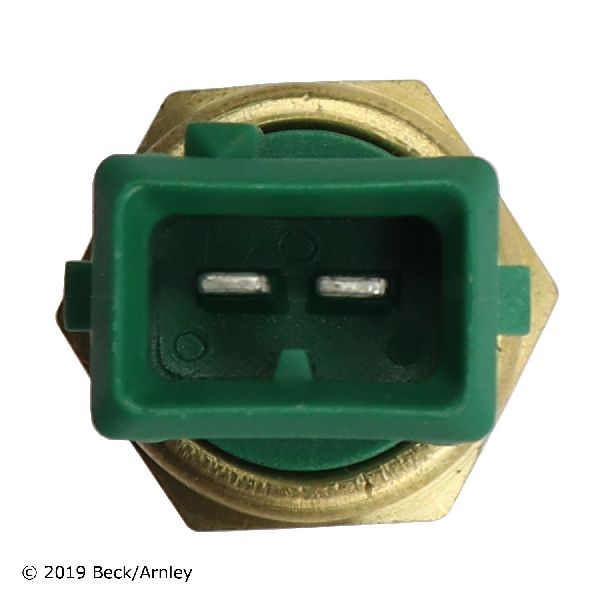
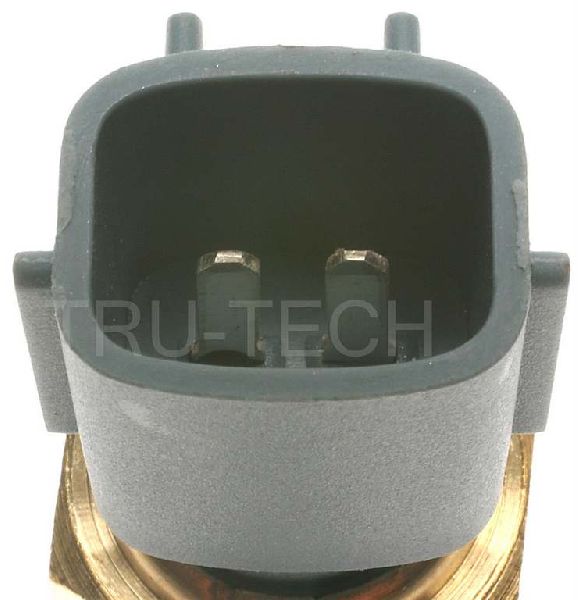
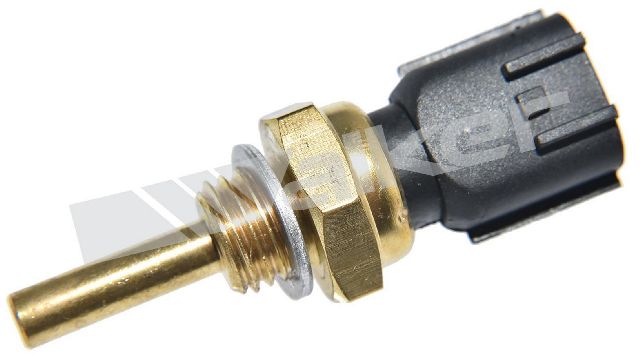
Typically a 2-terminal, blade-type sensor that screws into the intake manifold or thermostat housing.
We Have This Part in Stock


The information in this article is provided for general reference and educational purposes only. Vehicle specifications, procedures, and part compatibility can vary by production date, trim level, and region. Always consult your vehicle's factory service manual and verify part numbers before purchasing or performing repairs. Safety-critical components such as airbags, seat belts, and braking systems should be installed by a qualified professional.
- Mercury Villager: