

A Guide to the 1993-2002 Mercury Villager Throttle Position Sensor
Solve common hesitation, stalling, and poor shifting by learning how to choose the right aftermarket Throttle Position Sensor for your Villager.
- A bad TPS commonly causes hesitation, rough idle, stalling, and erratic transmission shifting.
- For best results, choose an OEM-equivalent brand like Hitachi or a quality aftermarket brand like Delphi or Standard Motor Products.
- Replacement is a simple, beginner-friendly DIY job that takes less than 30 minutes.
- Ensure you buy the correct part for your engine (3.0L for 1993-1998, 3.3L for 1999-2002).
Is a Failing TPS Causing Your Villager's Problems?
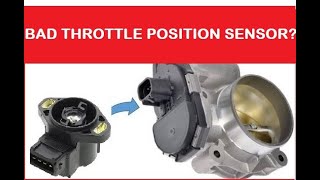
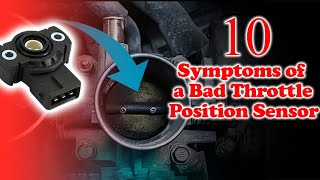
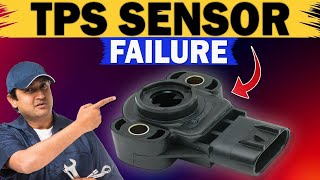
If your 1993-2002 Mercury Villager is hesitating when you accelerate, stalling at stops, or shifting gears erratically, a faulty throttle position sensor is a likely suspect. This sensor is the main line of communication between your foot on the gas pedal and the engine's computer. When it wears out, it can cause confusing signals that lead to frustrating drivability issues. 🎬 Watch: 9 common symptoms of a failing throttle position sensor. Since the Mercury Villager is mechanically identical to the Nissan Quest, parts and symptoms are shared between them.
Don't Ignore the Signs
Continuing to drive with a bad TPS is not recommended. The engine may stall or accelerate unpredictably, which is a significant safety risk. Over time, it can also lead to poor fuel economy and potentially damage other components like the catalytic converter.
Choosing the Right Aftermarket TPS Brand
When replacing a critical sensor like the TPS, the brand you choose makes a difference. While budget parts are tempting, they often have a higher failure rate, which can leave you with the same problem a few months later. For the Villager, it's best to invest in a quality part from a reputable manufacturer.
- Top Tier (OEM or Equivalent): Hitachi is a known original equipment manufacturer for Nissan, which means they likely made the original part for your Villager. Choosing Hitachi offers the highest probability of a perfect fit, long life, and correct performance without issues.
- Quality Aftermarket: Brands like Delphi and Standard Motor Products (Standard Ignition) are well-regarded in the industry. They produce reliable sensors that meet or exceed original specifications and are a solid choice for a balance of quality and cost.
- Budget-Friendly: Brands like Walker Products, True Tech, and other store brands or unbranded parts fall into this category. While they are the most affordable, their quality can be inconsistent. Some may work perfectly, while others might be improperly calibrated or fail prematurely.
Estimated Costs
| Part Type | Estimated Cost |
|---|---|
| New Aftermarket | $45.96 - $98.34 |
| New OEM (Nissan/Ford) | $160 - $198 |
| Used OEM | $25 - $60 |
| Shop Labor | $98 - $143 |
Pro Tip: Check for Engine Code Differences
The 1993-1998 Villager uses the 3.0L VG30E engine, while the 1999-2002 models have the 3.3L VG33E. These engines may use different throttle position sensors. Always confirm the part fits your specific year and engine size before ordering to avoid mistakes.
Frequently Asked Questions
Can I replace the throttle position sensor myself?
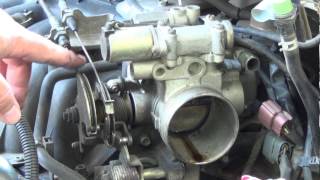
Yes, this is a very DIY-friendly job for most home mechanics. The TPS is located on the side of the throttle body and is held on by two screws. It typically takes less than 30 minutes to replace with basic hand tools like a screwdriver or a small ratchet.
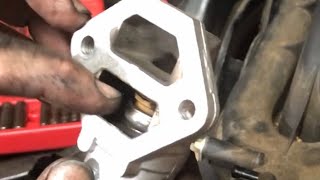
🎬 See this walkthrough on replacing the TPS and adjusting cables.Does the new TPS need to be calibrated?
For most aftermarket brands, no special calibration is required; they are designed to be plug-and-play. However, after installation, the vehicle's computer may need to perform an idle relearn procedure, which often happens automatically after a few minutes of driving. Some older service manuals mention a manual voltage adjustment, but this is rarely needed with modern fixed sensors.
Why not just buy the cheapest sensor available?
While it might save money initially, very cheap electronic parts are known for having poor quality control and a short lifespan. You risk the part failing quickly, leaving you with the same drivability problems and needing to do the repair all over again. Investing in a quality brand like Hitachi, Delphi, or Standard is recommended for reliability.
Could something else cause the same symptoms?
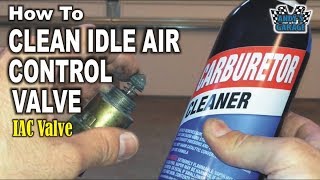
Yes. Symptoms like rough idle and hesitation can also be caused by a dirty throttle body, vacuum leaks, a faulty Idle Air Control (IAC) valve, 🎬 Watch: How to clean your Idle Air Control valve. or issues with the Mass Airflow (MAF) sensor. It's always a good idea to check for diagnostic trouble codes with an OBD-II scanner to help pinpoint the problem. A code like P0121, P0122, or P0123 points directly to the TPS.
Helpful Videos
Technical Specifications
OEM Part Numbers: 2262065F2A 1580631
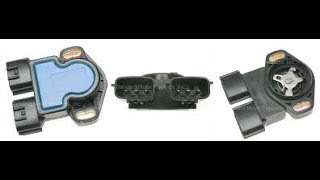
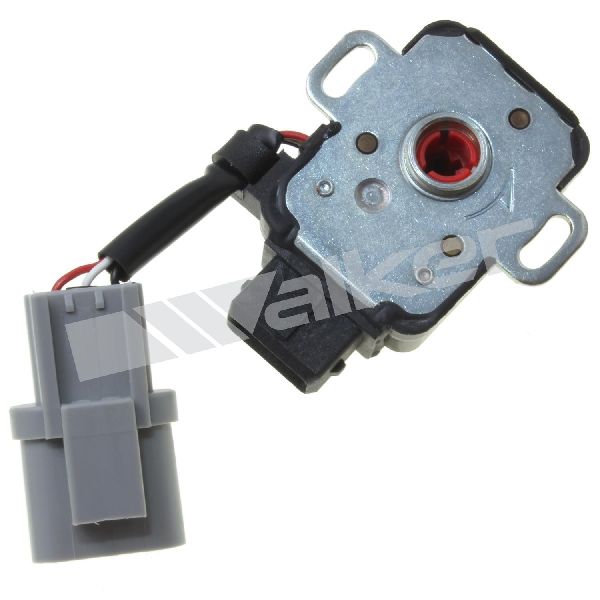
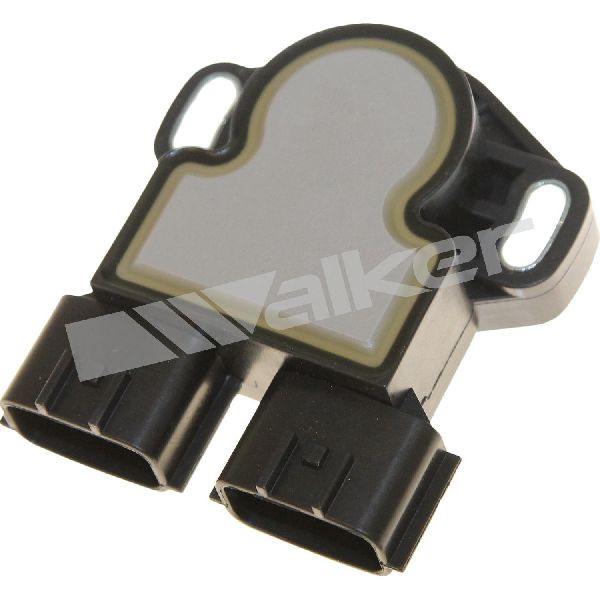
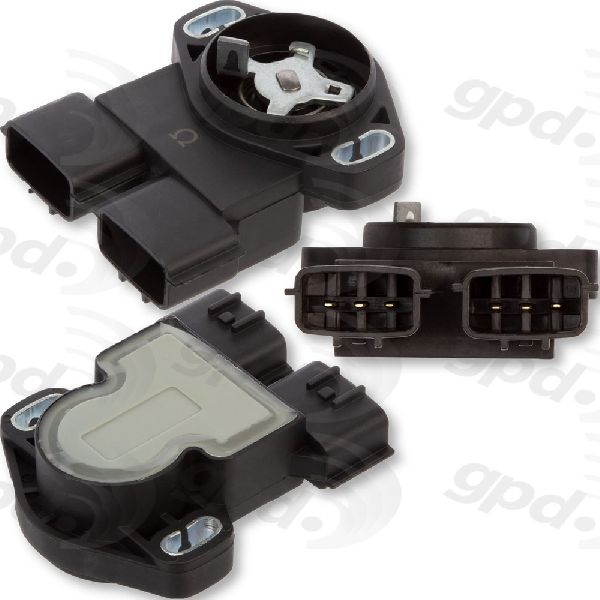
The TPS for the Mercury Villager is a 3-terminal potentiometer-type sensor mounted to the throttle body. It operates on a 5-volt reference signal from the ECU. Different part numbers exist for the 3.0L (1993-1998) and 3.3L (1999-2002) engines, so vehicle-specific fitment is critical.
We Have This Part in Stock


The information in this article is provided for general reference and educational purposes only. Vehicle specifications, procedures, and part compatibility can vary by production date, trim level, and region. Always consult your vehicle's factory service manual and verify part numbers before purchasing or performing repairs. Safety-critical components such as airbags, seat belts, and braking systems should be installed by a qualified professional.
- Mercury Villager: