

Saturn SL1 Ignition Knock (Detonation) Sensor Guide (1993-2002)
Understanding and replacing the knock sensor in your 1993-2002 Saturn SL1 to restore engine performance and prevent damage.
- A faulty knock sensor is the most common cause of a P0325 trouble code.
- Symptoms include a Check Engine Light, poor acceleration, and reduced gas mileage.
- The sensor is located on the back of the engine block, behind the oil filter, and is accessible from below.
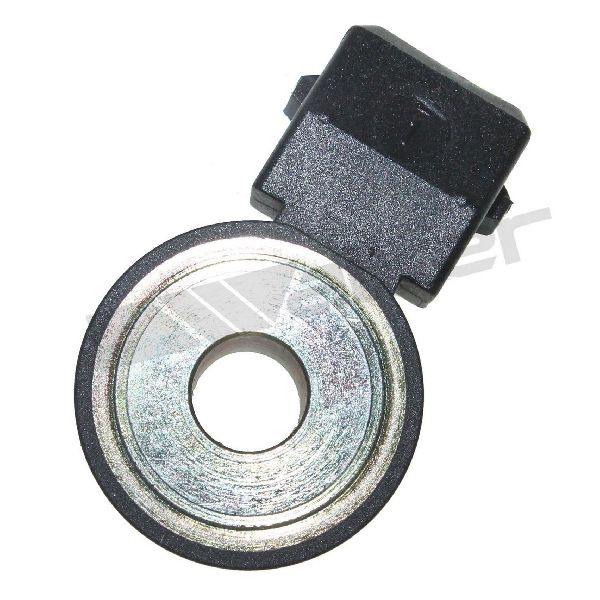
- For this part, choosing a reputable aftermarket brand like Holstein, Walker, or Standard Ignition is recommended over the cheapest options.
Is Your Saturn SL1 Running Rough? It Could Be the Knock Sensor.
If your 1993-2002 Saturn SL1 is experiencing poor acceleration, getting worse gas mileage than usual, or has the Check Engine Light on, a faulty ignition knock sensor could be the culprit. This sensor is a critical part of your engine management system, and when it fails, it can make your reliable Saturn feel sluggish and inefficient.
Common Symptoms of a Bad Knock Sensor
A failing knock sensor often won't leave you stranded, but it will cause noticeable issues. The most common sign is the Check Engine Light illuminating on your dashboard. If you use a code scanner, you will likely see the trouble code P0325, which points directly to a malfunction in the knock sensor circuit.
- Reduced Engine Power: The engine computer will default to a “safe” mode with retarded timing to prevent damage, making the car feel slow and hesitant to accelerate.
- Poor Fuel Economy: With the ignition timing not optimized, the engine burns fuel less efficiently, leading to more trips to the gas pump.
- Audible Engine Pinging: In some cases, you might hear a metallic pinging or rattling sound from the engine, especially when accelerating or going up a hill. This is the engine knock that the faulty sensor is failing to detect.
No Recalls or TSBs Found
Based on searches of the National Highway Traffic Safety Administration (NHTSA) database, there are no specific recalls or Technical Service Bulletins (TSBs) for the ignition knock sensor on the 1993-2002 Saturn SL1. Problems with this part are typically handled as individual repairs.
Choosing the Right Aftermarket Knock Sensor
Since your Saturn is an older model, aftermarket parts are the most common and cost-effective solution. However, sensor quality can vary significantly between brands. A cheap, poorly made sensor may not work correctly or could fail quickly, leaving you with the same problems. Here’s a breakdown of the available brands to help you choose.
Brand Quality Tiers
- Premium Aftermarket (Holstein, Walker Products): Brands like Holstein and Walker Products market themselves as meeting or exceeding original equipment (OE) specifications. Holstein, for example, promotes its use of high-quality materials and a 3-year/36,000-mile warranty. Walker also emphasizes that its sensors are 100% tested to OE standards. Choosing a brand from this tier provides more confidence in the part's accuracy and longevity.
- Standard Replacement (Standard Ignition): Standard Motor Products (SMP) is a long-established aftermarket brand. While once considered a top-tier choice, some mechanics feel their quality can be inconsistent now that they source parts globally. However, they remain a popular and generally reliable option for most repairs and are a definite step up from no-name parts.
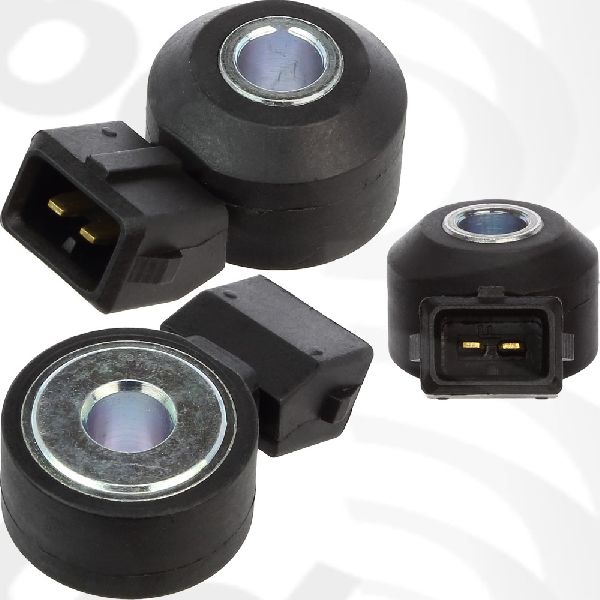
- Value / Economy (Global Parts/GPD): This tier includes lesser-known brands that compete primarily on price. While a brand like Global Parts (often listed as GPD) offers a very low-cost alternative, there is little public information or user feedback on their long-term reliability. This option may be suitable for a budget repair, but it carries a higher risk of premature failure.
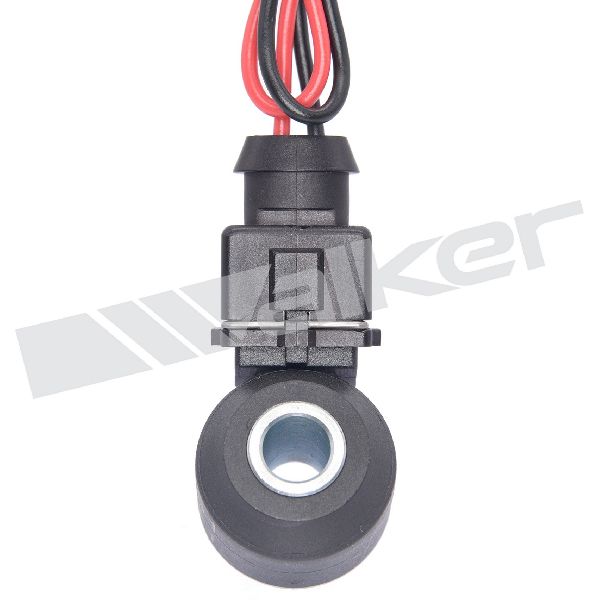
Pro Tip: For critical sensors like this, spending a few extra dollars on a reputable brand can save you the headache of doing the job twice. The connector is also a common failure point due to age and heat; if the plastic is brittle or cracked, replace the connector pigtail at the same time.
Cost of Replacing a Saturn SL1 Knock Sensor
The cost to replace the knock sensor is reasonable, especially if you do the work yourself. The parts are affordable and labor is not extensive.
| Item | Estimated Cost |
|---|---|
| New Aftermarket Knock Sensor | $35 - $127 |
| Shop Labor | $100 - $150 |
| Total Estimated Cost (Installed) | $135 - $277 |
Frequently Asked Questions (FAQ)
Where is the knock sensor located on a 1993-2002 Saturn SL1?
The knock sensor on the 1.9L SOHC engine is a single-wire sensor located on the back of the engine block, directly behind the oil filter. It is typically accessed from underneath the vehicle.
Can I replace the knock sensor myself?
Yes, this is a DIY-feasible job for someone with basic mechanical skills. It involves safely raising and supporting the vehicle, locating the sensor behind the oil filter, disconnecting the electrical connector, and removing a single bolt. Access can be tight, but no major components need to be removed.
What is engine knock (detonation)?
Engine knock is a sharp, pinging sound that occurs when the fuel and air mixture in a cylinder ignites prematurely or unevenly. This creates a shockwave that can damage pistons, rings, and bearings if it happens continuously. The knock sensor's purpose is to detect this and signal the computer to prevent it.
What does the P0325 trouble code mean?
P0325 stands for "Knock Sensor 1 Circuit Malfunction." It means the engine's computer has detected a problem with the knock sensor's electrical circuit. This could be a faulty sensor, damaged wiring, a bad connection, or in rare cases, an issue with the computer itself.
Technical Specifications
Location: Engine block, behind oil filter. Connector: Single wire.
We Have This Part in Stock


The information in this article is provided for general reference and educational purposes only. Vehicle specifications, procedures, and part compatibility can vary by production date, trim level, and region. Always consult your vehicle's factory service manual and verify part numbers before purchasing or performing repairs. Safety-critical components such as airbags, seat belts, and braking systems should be installed by a qualified professional.
- Saturn SL1: