

Chevrolet Camaro Engine Camshaft Position Sensor: A Complete Guide (1993-2003)
Solving stalling and no-start issues on your Camaro starts with choosing the right camshaft position sensor for your specific engine.
- You MUST verify your engine (3.4L V6, 3.8L V6, 5.7L LT1, or 5.7L LS1) before buying a part.
- For 1993-1997 LT1 V8s, the sensor is inside the Optispark distributor and requires replacing the entire unit.
- For 1998-2002 LS1 V8s and all V6s, the sensor is a separate, more accessible part.
- Stick with high-quality brands like ACDelco, Delphi, or NGK to ensure reliability and avoid repeat repairs.
Engine Type Is Critical for This Part
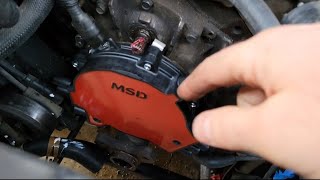
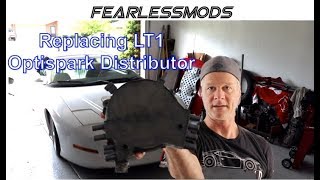
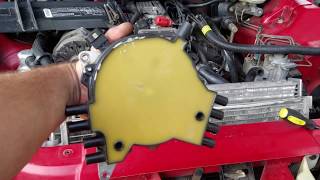
- 1993-1997 V8 (5.7L LT1): Your engine does not have a separate, replaceable camshaft position sensor. The sensor is an optical reader built inside the Optispark distributor, which is located behind the water pump. If the sensor fails, you must replace the entire Optispark distributor assembly, 🎬 Watch this step-by-step guide to replacing the LT1 Optispark distributor. a very difficult and labor-intensive job.
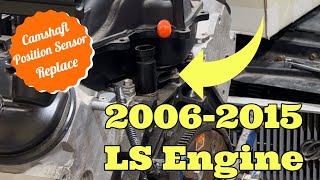
- 1998-2002 V8 (5.7L LS1): Your engine has a separate sensor. It is located at the top rear of the engine block, behind the intake manifold. 🎬 See how to remove the intake to access the LS1 sensor. While easier than the LT1, it can still be a tight squeeze to replace.
- 1993-2002 V6 (3.4L & 3.8L): Your engine has a separate sensor. On the 3.8L V6, it is typically located on the timing cover and may require removing the power steering pump for access. On the 3.4L V6, it is located near the distributor assembly area.
Common Symptoms of Failure
A failing camshaft position sensor will almost always let you know something is wrong. The most immediate sign is usually the Check Engine Light. Other common symptoms include:
- Hard Starting or No Start: The engine cranks but takes a long time to start, or won't start at all.
- Engine Stalling: The engine may suddenly shut off while driving or when idling.
- Rough Idle and Misfires: The car may shake or vibrate at a stop, and you might feel the engine stumbling.
- Poor Acceleration: You'll notice a significant loss of power when you press the gas pedal.
- Reduced Fuel Economy: Because the engine isn't running efficiently, you'll burn more gas.
Choosing the Right Aftermarket Part
For a sensor this critical to engine operation, quality matters. Cheap, low-quality sensors are known to fail prematurely, leaving you stranded and doing the job all over again. Here’s how the available brands generally stack up based on owner and mechanic feedback.
Tier 1: OEM & Premium Aftermarket
These brands are either the original equipment manufacturer (OEM) or are known for producing parts that meet or exceed OEM standards. They are the safest and most reliable choice.
- ACDelco: As the original GM parts brand, this is your best bet for guaranteed fit and function. Be aware that for older vehicles, some ACDelco parts may be sourced from other manufacturers, but they remain the top recommendation.
- Delphi: A former part of GM, Delphi is a major OEM supplier and is considered equivalent in quality to ACDelco.
- NGK / NTK: A highly respected brand in the ignition and sensor world, known for excellent quality and reliability.
Tier 2: Quality Aftermarket
These brands have a solid reputation in the aftermarket for producing dependable parts that offer a good balance of quality and value.
- Standard Ignition (SMP): Often cited as a reliable aftermarket alternative with OEM-grade quality.
- Hitachi: A well-known OEM supplier for many Japanese brands, they also produce high-quality sensors for other markets.
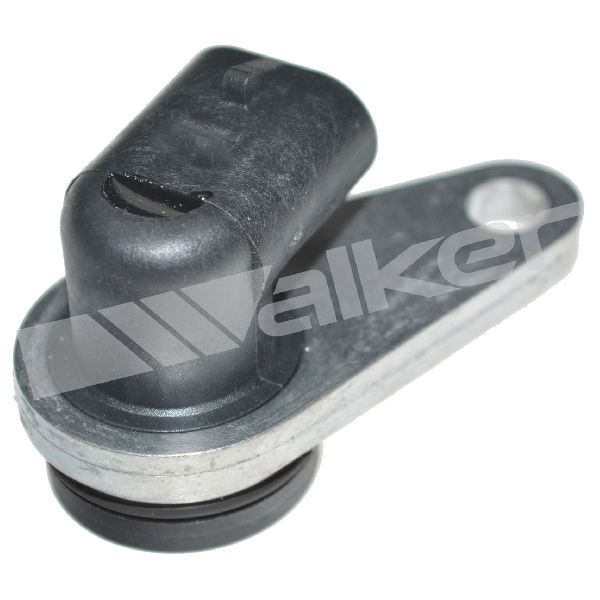
- Beck Arnley / Walker Products: Reputable aftermarket brands that focus on providing parts that match the original form, fit, and function.
Tier 3: Economy Brands
These brands offer the lowest price point. While tempting, they often have a mixed reputation for sensor quality and longevity. Use with caution, especially for labor-intensive jobs.
- Dorman: Dorman is known for making a wide range of parts, but their electronic components have a reputation for being unreliable among many mechanics and enthusiasts.
- Other Value Brands (Global, Prenco, True Tech, etc.): These can be a gamble. They may work fine, but the risk of premature failure is higher compared to premium brands.
Estimated Replacement Costs
Costs can vary widely based on your engine type and who does the work. The LT1 engine is significantly more expensive due to the high labor involved.
| Part / Service | V6 / LS1 V8 Cost | LT1 V8 Cost |
|---|---|---|
| New Aftermarket Sensor | $23 - $179 | (Part of Optispark, $150 - $500+) |
| Shop Labor | $100 - $250 | $500 - $900+ |
| Total Estimated Cost | $123 - $429 | $650 - $1400+ |
Frequently Asked Questions
Do I have to replace the whole Optispark on my LT1 for a cam sensor code?
Yes. For 1993-1997 LT1 V8 engines, the camshaft position signal comes from an optical sensor inside the Optispark distributor. It is not sold as a separate component. A cam sensor fault code on an LT1 requires the replacement of the entire Optispark unit.
Where is the sensor on my LS1 or V6 Camaro?
On 1998-2002 LS1 V8 engines, the sensor is at the very back of the engine block, near the firewall, under the intake manifold. On 3.8L V6 engines, it is typically on the front timing cover, near the power steering pump. On 3.4L V6 engines, it is near the base of the distributor assembly.
Can I just clean the sensor instead of replacing it?
No. While cleaning a dirty electrical connector might solve a connection issue, the sensor itself is a sealed electronic component. If the internal electronics have failed, which is usually the case, cleaning the outside will not fix it. Replacement is the only solution.
What's the difference between a camshaft and crankshaft sensor?
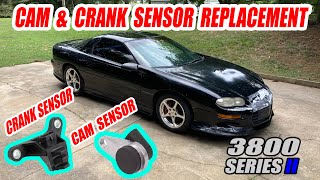
They work together. The crankshaft sensor tracks the speed and position of the crankshaft, while the camshaft sensor tracks the camshaft. The computer uses both signals to get a complete picture of the engine's cycle for precise timing. A failure in either sensor can cause similar symptoms.
Helpful Videos

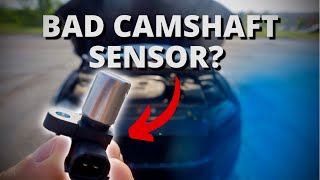
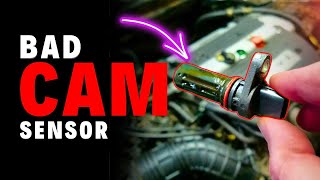
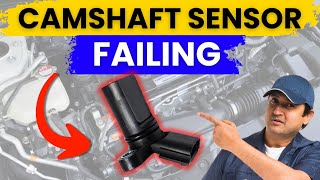
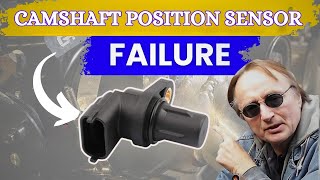
Technical Specifications
OEM Part Numbers: 12561211 19420911 10456148 10456555
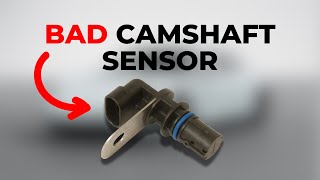
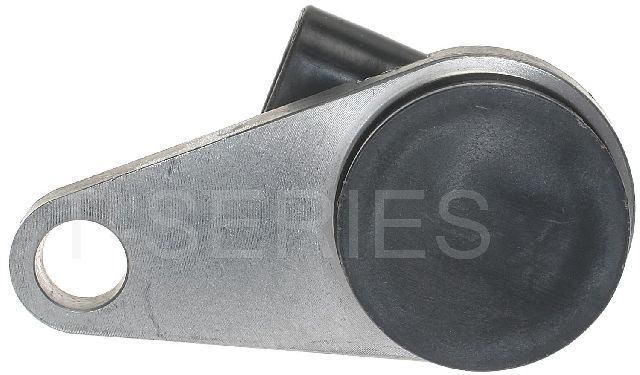
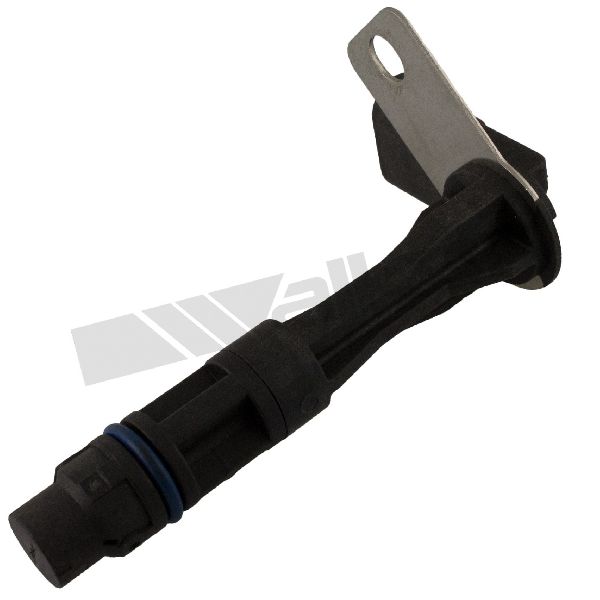
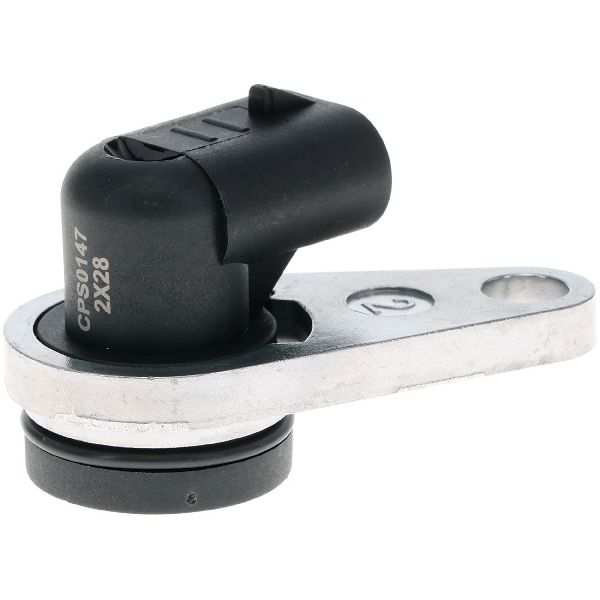
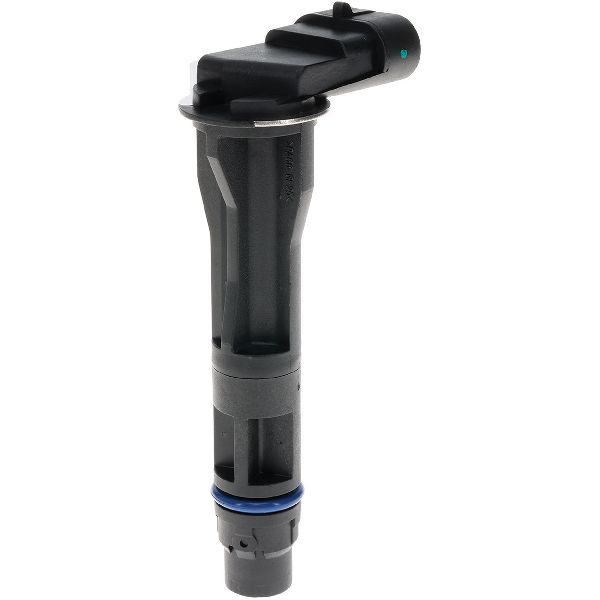
The camshaft position sensor for the 1993-2003 Camaro is a Hall effect sensor for V6 and LS1 models, and an optical sensor for LT1 models. It provides a digital signal to the PCM corresponding to the camshaft's rotational position.
We Have This Part in Stock


The information in this article is provided for general reference and educational purposes only. Vehicle specifications, procedures, and part compatibility can vary by production date, trim level, and region. Always consult your vehicle's factory service manual and verify part numbers before purchasing or performing repairs. Safety-critical components such as airbags, seat belts, and braking systems should be installed by a qualified professional.
- Chevrolet Camaro: