

Ford E-150 Econoline (1993-2003) Mass Air Flow Sensor Replacement Guide
If your Econoline is running rough, stalling, or getting bad gas mileage, a failing Mass Air Flow sensor could be the culprit.
- A bad MAF sensor on your E-150 will cause a Check Engine Light (P0102, P0103), rough running, stalling, and poor gas mileage.
- Replacement is very easy and a great DIY job, typically requiring only a T20 Torx bit and a few minutes.
- Try cleaning the sensor with dedicated MAF cleaner first, but if that fails, replacement is necessary.
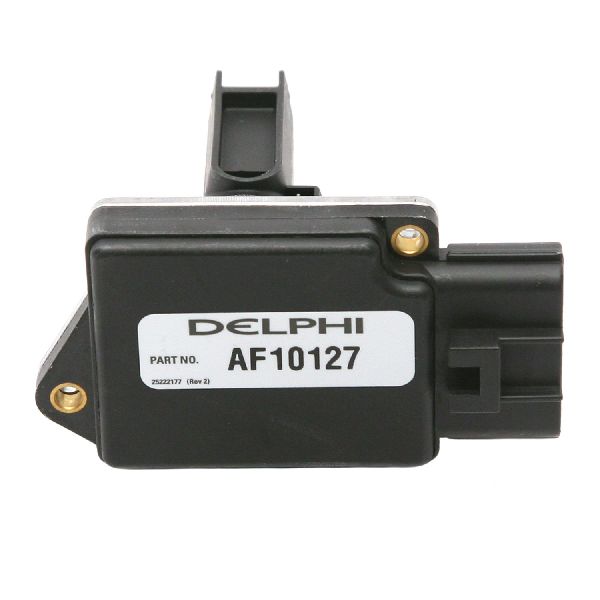
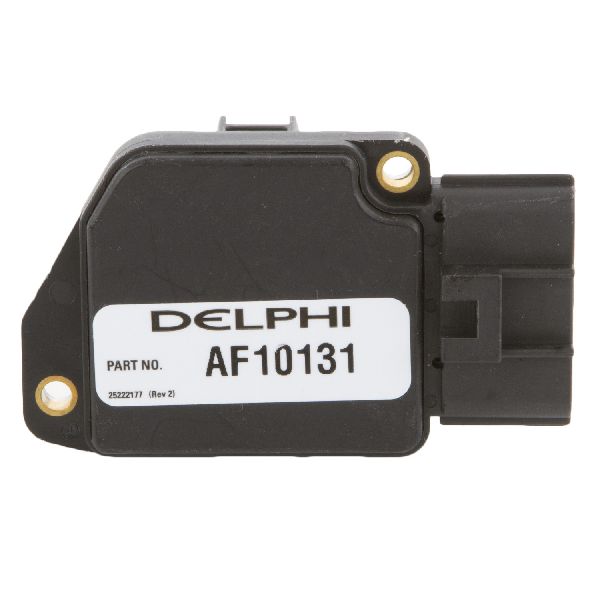
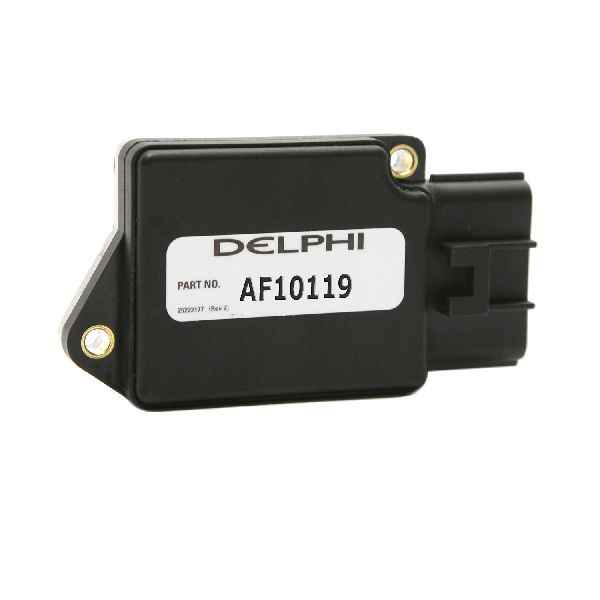
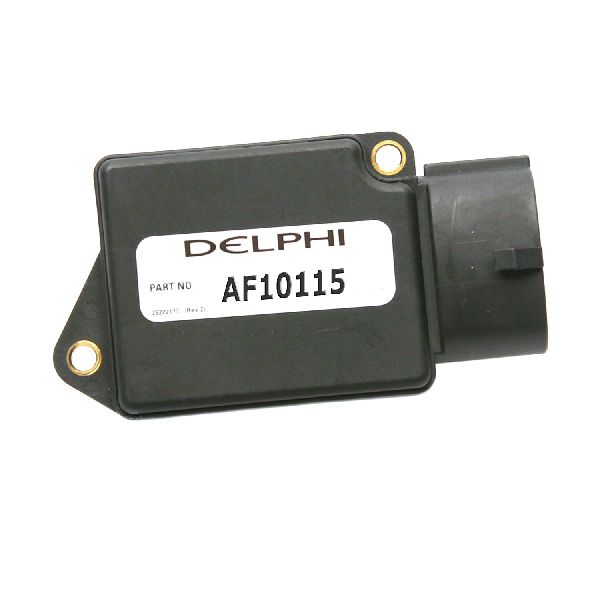
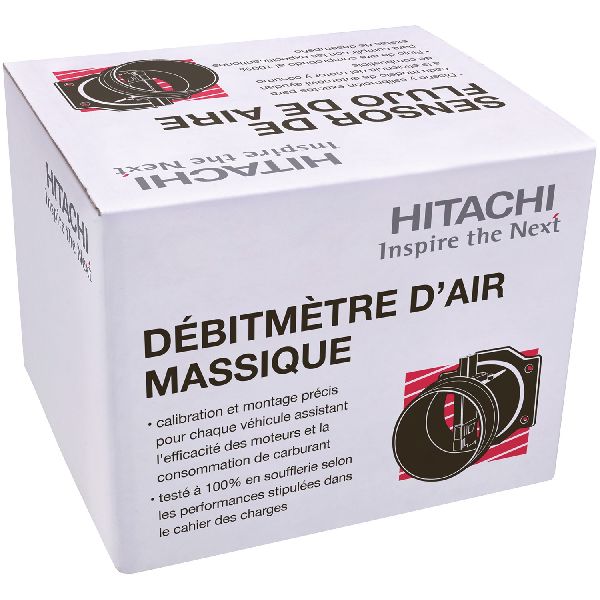
- For best results, choose a quality aftermarket brand like Hitachi or Delphi, as cheap sensors can cause new problems.
Is Your E-150 Showing Signs of a Bad MAF Sensor?
A failing Mass Air Flow (MAF) sensor can cause a range of frustrating problems with your 1993-2003 Ford E-150 Econoline. Because the sensor directly tells the engine's computer how much fuel to add, any wrong information can throw everything off. You might notice one or more of these issues:
- Check Engine Light: This is often the first sign. The most common trouble codes are P0102 (MAF Circuit Low Input) and P0103 (MAF Circuit High Input). 🎬 Watch how to fix P0103 and P0113 engine codes.
- Poor Engine Performance: Your van might feel sluggish, hesitate, or jerk when you accelerate. It can also stall, especially at idle or when you first try to drive.
- Rough Idle: The engine may idle erratically, surging up and down, or stumbling like it's about to shut off.
- Bad Fuel Economy: If the sensor is telling the computer there's more air than there really is, the engine will run rich (too much fuel), and you'll be visiting the gas station more often. You might even smell fuel or see black smoke from the exhaust.
- Shifting Problems: In some cases, a bad MAF signal can even affect how an automatic transmission shifts.
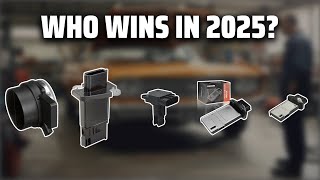
Choosing the Right Aftermarket MAF Sensor
For a vehicle like the 1993-2003 E-150, the original Motorcraft part may be hard to find or discontinued. Luckily, the aftermarket offers many good alternatives. However, quality can vary significantly between brands. Forum discussions with Ford truck and van owners show that MAF sensors are sensitive, and some cheaper brands can cause performance issues right out of the box. It's often worth paying a little more for a trusted name.
Brand Quality Tiers
- Premium Brands (OEM-level quality): Hitachi and Delphi are often cited as original equipment manufacturers for Ford and other brands. They are engineered to meet or exceed original specs and are considered a reliable choice for long-term performance. NGK/NTK is another trusted name in engine sensors.
- Mid-Grade & Remanufactured Brands: Spectra, Walker Products, and Standard Ignition (SMP) offer new parts that are generally reliable. Cardone and Standard Remanufactured provide remanufactured sensors, which are original units that have been rebuilt and tested. These can be a good value, but quality depends on the remanufacturing process.
- Economy Brands: Brands like DriveWire, Skyward, and other private labels are the most affordable. While tempting, they can be a gamble. Some owners report issues like rough idling or incorrect fuel trim immediately after installation with lower-cost sensors.
How to Replace the MAF Sensor on Your E-150
This is a great DIY job for beginners. The MAF sensor is located in the air intake tube, right after the air filter box.
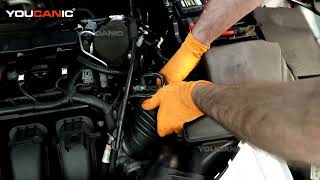
- Locate the Sensor: Open the hood and find the large plastic air filter housing. The MAF sensor is plugged into the tube coming out of it.
- Disconnect the Electrical Connector: Carefully unplug the wiring harness from the sensor. There might be a small tab you need to press or pull.
- Remove the Sensor: The sensor is typically held in place by two screws, often requiring a Torx T20 security bit. Once the screws are out, you can pull the sensor straight out of the housing. 🎬 Follow this video guide to install your new Econoline sensor.
- Install the New Sensor: Seat the new sensor into the housing, making sure any O-ring or seal is in place. Reinstall the screws, but don't overtighten them.
- Reconnect and Finish: Plug the electrical connector back in until it clicks. If you disconnected the battery, reconnect it now. Clear any engine codes with a scanner, and you're done.
| Part Type | Estimated Cost |
|---|---|
| New Aftermarket MAF Sensor | $57 - $188 |
| New OEM (Motorcraft) MAF Sensor | $237 - $395 (if available) |
| Remanufactured MAF Sensor | $60 - $120 |
| Shop Labor Cost | $44 - $64 |
Frequently Asked Questions
Can I just clean my MAF sensor instead of replacing it?
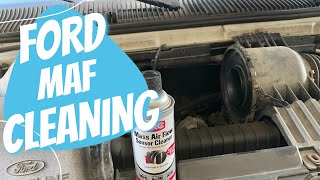
Yes, and you should try it first! Often, the sensor's delicate wires just get dirty. Use only a spray cleaner specifically made for MAF sensors. Never touch the wires. If cleaning doesn't solve the problem, the sensor has likely failed electronically and needs to be replaced.
Are there any recalls for the E-150 MAF sensor?
No, searches of the National Highway Traffic Safety Administration (NHTSA) database did not find any safety recalls specifically for the Mass Air Flow sensor on 1993-2003 Ford E-150 Econoline models.
What's the difference between a sensor-only and a full housing assembly?
Most aftermarket parts are sold as just the sensor element, which you install into your existing plastic housing. Some are sold with a new housing included. For the E-150, you typically only need to replace the sensor itself, which is cheaper and easier.
What happens if I unplug my MAF sensor to see if it's bad?
If you unplug the MAF sensor and the engine suddenly runs better, it's a strong sign the sensor is faulty. When unplugged, the engine's computer goes into a 'limp mode' with a default fuel map. This is a temporary diagnostic trick; you should not drive the vehicle for long periods this way.
Helpful Videos
Technical Specifications
OEM Part Numbers: F4UZ12B579A F4UZ-12B579-A
The MAF sensor for this generation of E-150 is typically a sensor-only insert with a 6-pin oval connector, held in by two T20 Torx screws.
We Have This Part in Stock


The information in this article is provided for general reference and educational purposes only. Vehicle specifications, procedures, and part compatibility can vary by production date, trim level, and region. Always consult your vehicle's factory service manual and verify part numbers before purchasing or performing repairs. Safety-critical components such as airbags, seat belts, and braking systems should be installed by a qualified professional.
- Ford E-150 Econoline: