

Choosing the Right Disc Brake Caliper for Your 1993-2002 Lincoln Continental
A seized or failing brake caliper can ruin the smooth, safe ride you expect from your Lincoln.
- A seized caliper is a common failure on the 1993-2002 Continental, often caused by corrosion.
- Symptoms include pulling to one side, a burning smell, fluid leaks, and uneven pad wear.
- Always replace calipers in pairs (both front or both rear) to ensure balanced and safe braking.
- A quality remanufactured caliper is a reliable, cost-effective option, but new coated calipers offer better corrosion protection.
Signs of a Failing Brake Caliper
A brake caliper should ideally last the life of your vehicle, but factors like age, moisture, and inactivity can cause them to fail. For the 1993-2002 Lincoln Continental, a common issue is a seized or sticking caliper piston or slide pins, often due to corrosion. Here are the key symptoms to watch for:
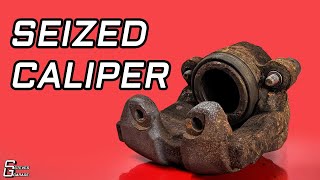
🎬 Watch this guide to help diagnose a seized brake caliper.- Vehicle Pulling to One Side: When you brake, the car may pull sharply to the left or right. This can happen when one caliper is working correctly and the other is seized, causing uneven braking force.
- Dragging Sensation or Burning Smell: A caliper that doesn't release properly will cause the brake pads to constantly rub against the rotor. This creates a dragging feeling, reduces fuel economy, and can produce a distinct burning smell from the affected wheel.
- Brake Fluid Leaks: You might notice fluid on the ground near your wheel or on the inside of the tire. Leaks can occur from the caliper's piston seal or the bleeder screw, leading to a soft or spongy brake pedal.
- Uneven Brake Pad Wear: When you inspect your brake pads, if one pad is significantly more worn than the other on the same wheel, it's a strong indicator of seized caliper slide pins or a sticking piston.
- Grinding or Squealing Noises: While often a sign of worn pads, these noises can also occur when a faulty caliper causes metal-on-metal contact.
Model Year Note
The 1993-2002 Lincoln Continental spans two different generations: the eighth (1993-1994) and the ninth (1995-2002). While the braking systems are similar, always confirm the exact part for your specific year when ordering to ensure correct fitment. There was no 2003 model year for the Lincoln Continental in North America.
Choosing Your Aftermarket Caliper: Brand Tiers
For a vehicle of this age, new OEM (Original Equipment Manufacturer) calipers are often unavailable or prohibitively expensive. Aftermarket parts are the most practical and common solution. They generally fall into a few categories:
- Value/Standard (Remanufactured): Brands like Cardone and some lines from Dynamic Friction and Centric offer remanufactured calipers. These are original caliper cores that have been cleaned, inspected, and rebuilt with new seals and hardware. They provide good value, but quality can sometimes be inconsistent. Many owners have used Cardone remanufactured calipers successfully for years.
- Premium (New or Premium Remanufactured): Brands like Raybestos, Centric (Posi Quiet/C-Tek lines), and BBB Industries offer premium options. These can be either high-quality remanufactured units with better coatings and quality control, or brand-new castings. Raybestos and Centric are generally well-regarded for their new and remanufactured calipers, often featuring protective coatings to resist rust.
- Performance/Coated: PowerStop is known for offering calipers, often in performance colors like red, that are typically sold as part of a kit with pads and rotors. These are often new calipers with a durable powder-coated finish for enhanced corrosion resistance and appearance. While some users report good experiences, others have noted potential longevity issues with the calipers compared to their brake pads and rotors.
Pro Tip: New vs. Remanufactured
For the Lincoln Continental, a quality remanufactured caliper from a reputable brand like Raybestos or Centric is often a reliable and cost-effective choice. If you live in an area with harsh weather and road salt, consider a new caliper with a protective coating (like those from PowerStop or premium Raybestos lines) to help prevent future corrosion and seizing.
Estimated Replacement Costs
The cost of replacing a brake caliper can vary based on the parts you choose and labor rates in your area. It is highly recommended to replace calipers in pairs (both front or both rear) to ensure even braking performance.
| Item | Estimated Cost (Per Caliper) |
|---|---|
| New Aftermarket Caliper | $36 - $155 |
| Remanufactured Caliper | $50 - $150 (may require a core return) |
| Shop Labor | $100 - $225 |
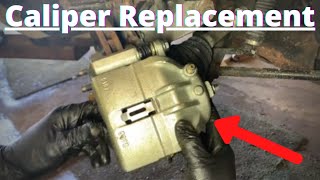
| Total Professional Replacement 🎬 See this walkthrough on how to replace a front caliper. | $136 - $380 |
Note: These costs do not include potential collateral repairs. A seized caliper often damages the brake pads and rotor, which will also need replacement. A full brake fluid flush ($80-$130) is also required when the hydraulic system is opened.
Frequently Asked Questions
Should I replace my brake calipers in pairs?
Yes. It is always recommended to replace calipers on the same axle (both front or both rear) at the same time. This ensures that both sides have equal braking force, preventing the car from pulling to one side and ensuring predictable, safe stops.
What is a "core charge"?
A core charge is a deposit you pay when buying a remanufactured part. You get this deposit back when you return your old, rebuildable caliper. This process allows manufacturers to maintain a supply of original parts to remanufacture.
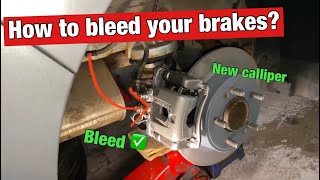
Do I need to bleed the brakes after replacing a caliper?
Yes, absolutely. Replacing a caliper opens the hydraulic brake system, allowing air to enter. You must bleed the entire brake system to remove all air bubbles and ensure a firm pedal and proper brake function. Failure to do so is extremely dangerous.
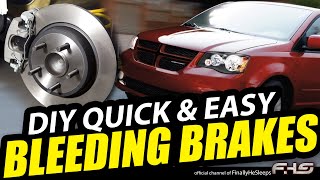
🎬 Watch: A quick and easy way to bleed your brakes.What's the difference between phenolic and steel caliper pistons?
Phenolic (a type of plastic composite) pistons are lighter and do not rust, which is a major advantage in preventing seizure. Steel pistons are stronger and dissipate heat better but are susceptible to corrosion if the protective boot fails. For a daily-driven Continental, calipers with phenolic pistons are an excellent choice to combat corrosion-related failures.
Can I just rebuild my old caliper myself?
Rebuild kits are available and are cheaper than a replacement caliper. However, rebuilding requires cleaning out all internal corrosion and properly installing new seals. If the caliper bore is pitted or damaged, the rebuild will fail. For most DIY mechanics, replacing the entire unit with a quality remanufactured or new caliper is faster, easier, and more reliable.
Helpful Videos
Technical Specifications
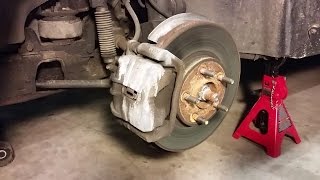
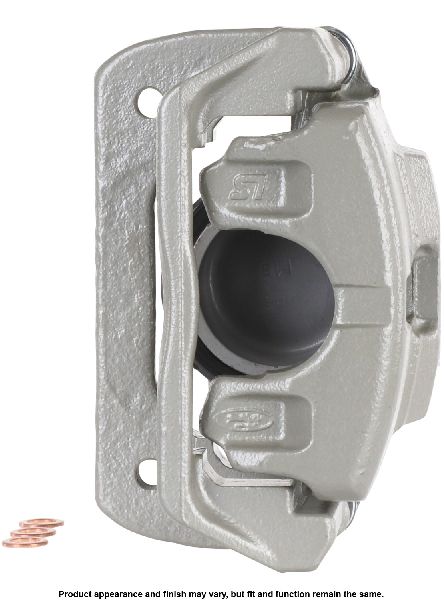
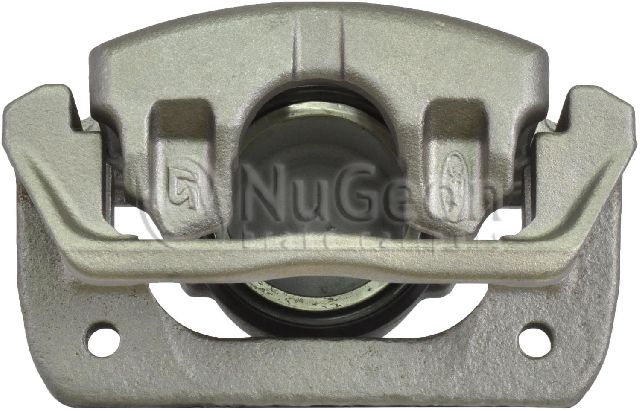
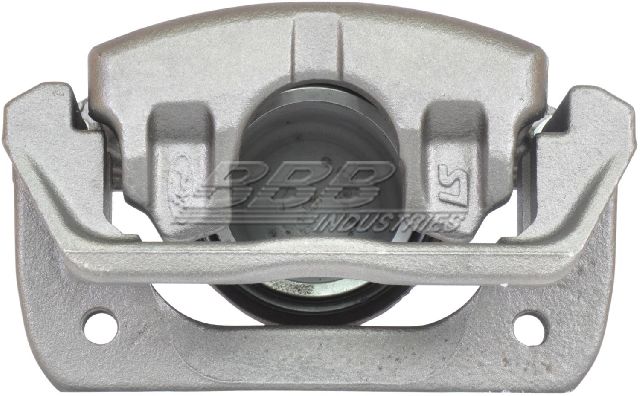
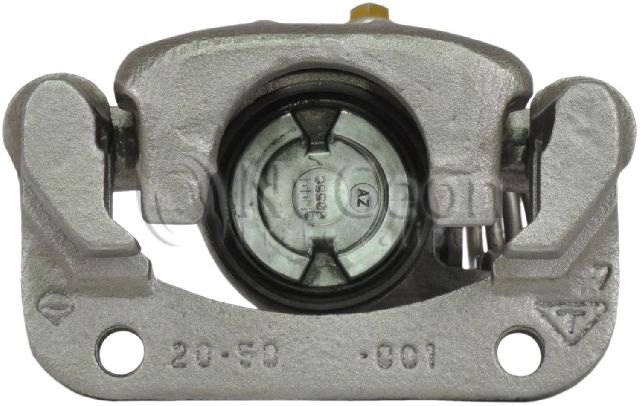
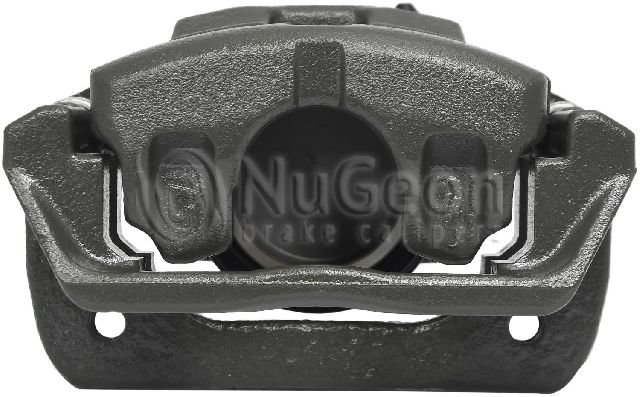
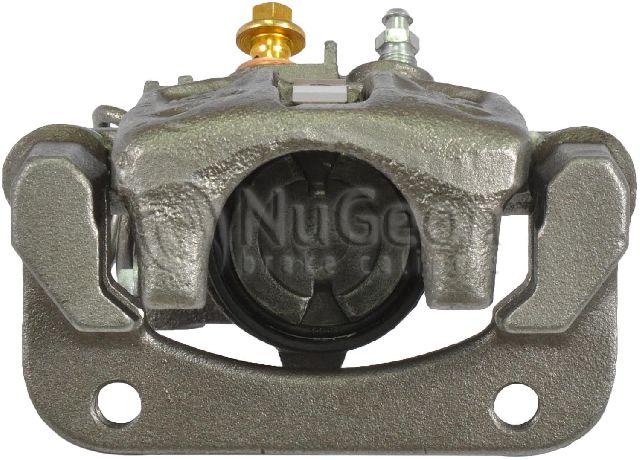
Brake calipers for the 1993-2002 Lincoln Continental are typically single-piston floating calipers. They are available with either phenolic or steel pistons. New and remanufactured units often come with a mounting bracket and new hardware, including slide pins. The rear calipers integrate the parking brake mechanism, which can make replacement slightly more complex than the front.
We Have This Part in Stock

The information in this article is provided for general reference and educational purposes only. Vehicle specifications, procedures, and part compatibility can vary by production date, trim level, and region. Always consult your vehicle's factory service manual and verify part numbers before purchasing or performing repairs. Safety-critical components such as airbags, seat belts, and braking systems should be installed by a qualified professional.
- Lincoln Continental: