

Nissan Quest Oxygen Sensor Guide: 1993-2003 Models
Solve poor gas mileage and a check engine light by choosing the right oxygen sensor for your Quest.
- Choose a Denso or NGK/NTK brand sensor for your Nissan Quest to ensure OEM-level performance and avoid compatibility issues.
- Identify your Quest's generation (1993-98 or 1999-02) to determine the number and location of sensors before buying.
- Do not ignore a bad oxygen sensor; continuing to drive can lead to costly damage to your catalytic converter.
- Always use a direct-fit sensor with the correct electrical connector; avoid universal sensors that require splicing wires.
Understanding Your Quest's Oxygen Sensors
The 1993-2003 Nissan Quest spans two generations, each with a different oxygen sensor setup. It's also important to note that Nissan skipped the 2003 model year for the Quest, with the next generation beginning in 2004.
- First Generation (1993-1998): These models use the 3.0L VG30E V6 engine. Early years are OBD-I, while later years are OBD-II. Depending on the year and emissions configuration (Federal vs. California), your Quest may have one or two oxygen sensors. A 1995 model, for example, may only have a single upstream sensor located on the exhaust manifold before the catalytic converter.
- Second Generation (1999-2002): These models use the 3.3L VG33E V6 engine and are fully OBD-II compliant. They typically have four oxygen sensors: two upstream (one for each engine bank, before the catalytic converter) and two downstream (one for each bank, after the catalytic converter). 🎬 Watch this explanation of sensor locations and bank numbers.
Upstream vs. Downstream
Upstream sensors (also called Air/Fuel Ratio Sensors or Sensor 1) are the most important. They provide the primary data for the ECU to control the fuel mixture. Downstream sensors (Sensor 2) primarily monitor the efficiency of the catalytic converter. A code for a downstream sensor, like P0141, often points to a sensor heater failure rather than a converter problem.
Symptoms of a Failing Oxygen Sensor
A bad oxygen sensor will almost always trigger the Check Engine Light, but other symptoms can appear first. Ignoring them can lead to more expensive repairs, like a damaged catalytic converter.
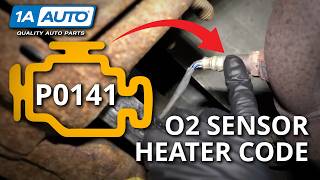
- Check Engine Light: The most common sign. Codes often range from P0130 to P0167. A code like P0141 specifically points to the heater circuit in the Bank 1, Sensor 2 location. 🎬 See how to diagnose a P0141 heater circuit code.
- Poor Fuel Economy: One of the first noticeable signs is needing to fill up your tank more often.
- Rough Engine Performance: You might experience a rough idle, engine hesitation, misfires, or a general lack of power.
- Bad Smells: A failing sensor can cause a rich fuel mixture, leading to a "rotten egg" or sulfur smell from the exhaust.
- Failed Emissions Test: Your Quest will not pass an emissions or smog test with a faulty O2 sensor.
Choosing the Right Aftermarket Oxygen Sensor
For Japanese vehicles like your Nissan Quest, sticking with an Original Equipment Manufacturer (OEM) brand is highly recommended to avoid compatibility issues. Aftermarket sensors from these brands offer the same performance as the dealer part without the high cost.
Tier 1: OEM Equivalent
- Denso & NGK (NTK): Denso and NTK (the sensor division of NGK) are the original equipment suppliers for most Japanese automakers, including Nissan. Choosing one of these brands is the safest bet for a direct-fit replacement that will perform correctly without causing new error codes.
Tier 2: High-Quality Aftermarket
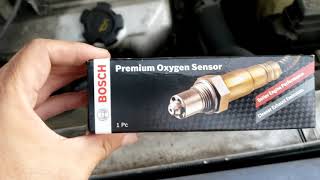
- Bosch: Bosch invented the modern oxygen sensor and is a massive OEM supplier. While their quality is generally excellent, some forum users report occasional compatibility issues when using their aftermarket sensors on Japanese vehicles compared to Denso or NTK. However, they are a reliable option and often readily available.
- Delphi: Another major OEM supplier with a strong reputation for quality electronics.
Tier 3: Budget Options
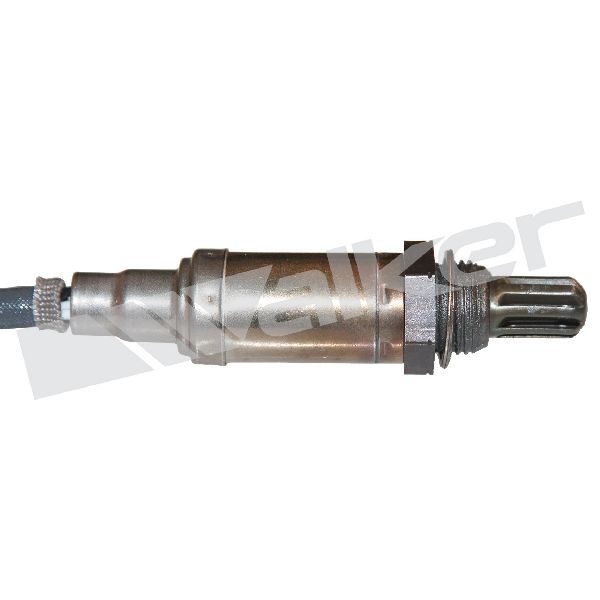
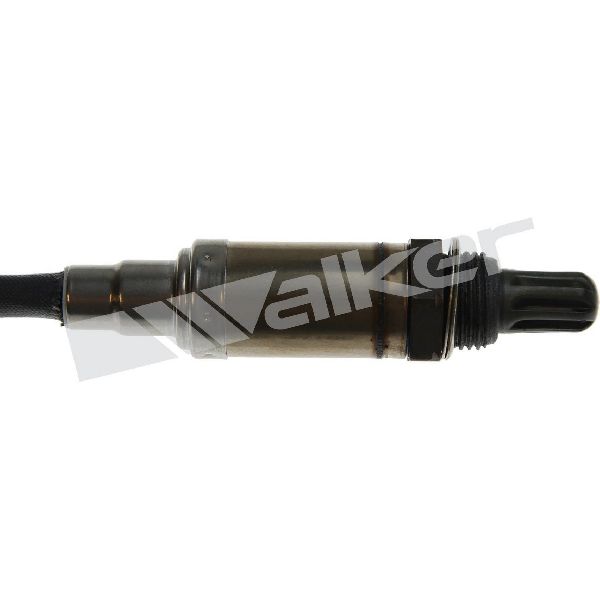
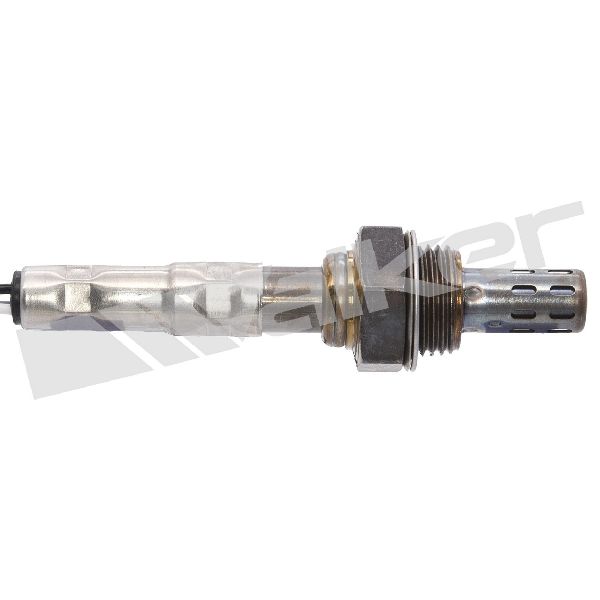
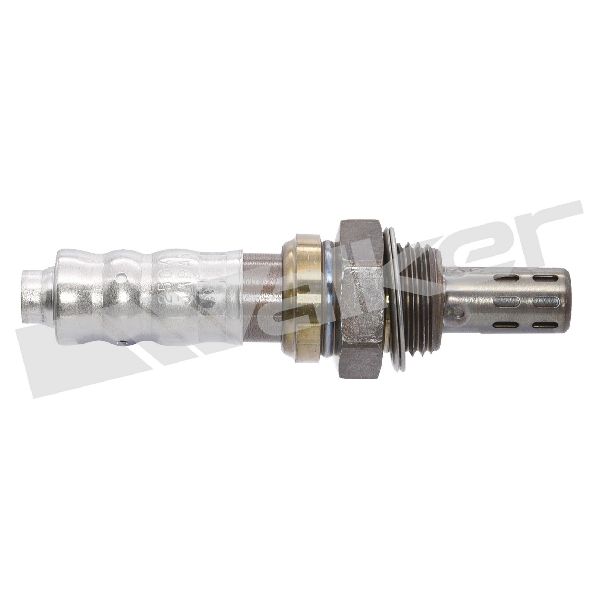
- Walker Products, Spectra, DriveWire: These brands offer a more affordable price point. While they can work, they may not have the same longevity or precise calibration as OEM-tier brands, potentially leading to performance issues or a shorter service life.
Avoid Universal Sensors
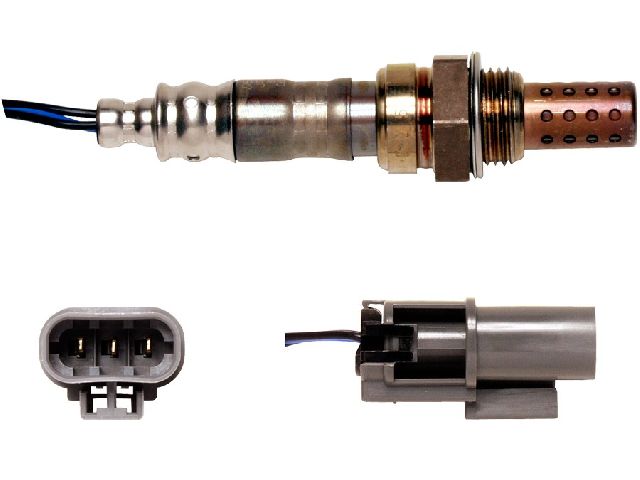
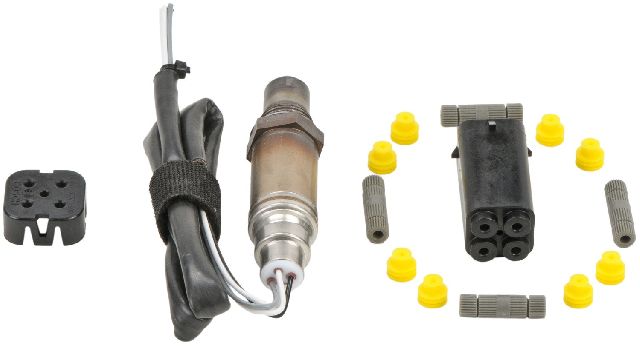
Universal sensors require you to cut your old sensor's connector and splice it onto the new sensor. This adds a significant point of failure. Direct-fit sensors come with the correct plug for your Quest and are worth the small extra cost to ensure a reliable connection.
Oxygen Sensor Replacement Cost for 1993-2003 Nissan Quest
| Part Type | Estimated Cost |
|---|---|
| New Aftermarket Sensor | $25 - $122 |
| New OEM (Dealer) Sensor | $228 - $298 |
| Shop Labor | $92 - $135 |
| Total DIY Cost (Aftermarket) | $25 - $122 |
| Total Shop Cost (Aftermarket) | $117 - $257 |
Frequently Asked Questions (FAQ)
How many oxygen sensors does my Quest have?
It depends on the year. First-generation models (1993-1998) may have only one or two sensors. Second-generation models (1999-2002) typically have four sensors: two upstream (Bank 1 Sensor 1, Bank 2 Sensor 1) and two downstream (Bank 1 Sensor 2, Bank 2 Sensor 2). Always verify the location of the failed sensor via the trouble code before ordering.
Can I clean my oxygen sensor?
No, cleaning an oxygen sensor is not a reliable repair. The internal sensing element wears out over time, and contamination is often baked on. Mechanics and part manufacturers agree that replacement is the only proper solution.
Is there a recall for the oxygen sensor on my Quest?
Our research found no safety recalls or technical service bulletins (TSBs) for oxygen sensors specifically for the 1993-2003 Nissan Quest model years. TSBs for O2 sensors do exist for much newer Quest models, but they do not apply to this generation.
What tools do I need to replace an oxygen sensor?
You will need a special tool called an oxygen sensor socket, which has a slot for the wire to pass through. You'll also need a ratchet and potentially some extensions. Applying penetrating oil to the old sensor's threads before trying to remove it can help, as they are often seized from heat and rust.
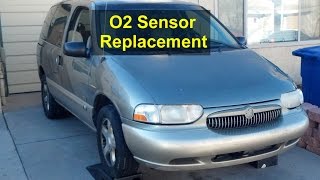
🎬 Watch a step-by-step walkthrough of the replacement process.Helpful Videos

Technical Specifications
OEM Part Numbers: 226A0-1B013 234-4701 234-3089
The 1993-1998 Quest uses a 3.0L V6 and may have 1-2 sensors. The 1999-2002 Quest uses a 3.3L V6 and typically has 4 sensors (2 upstream, 2 downstream). All sensors are heated and use a direct-fit connector. Thread size is typically M18-1.50. Always confirm the specific part number for your vehicle's VIN and sensor location.
We Have This Part in Stock

The information in this article is provided for general reference and educational purposes only. Vehicle specifications, procedures, and part compatibility can vary by production date, trim level, and region. Always consult your vehicle's factory service manual and verify part numbers before purchasing or performing repairs. Safety-critical components such as airbags, seat belts, and braking systems should be installed by a qualified professional.
- Nissan Quest:
- 🎬 Helpful Videos
- 🛍️ Shop This Part
- Understanding Your Quest's Oxygen Sensors
- Upstream vs. Downstream
- Symptoms of a Failing Oxygen Sensor
- Choosing the Right Aftermarket Oxygen Sensor
- Avoid Universal Sensors
- Oxygen Sensor Replacement Cost for 1993-2003 Nissan Quest
- Frequently Asked Questions (FAQ)
- 🎟️ Get 5% Off