

Chrysler Concorde Engine Coolant Temperature Sensor (1993-2004): A Complete Guide
An erratic temperature gauge or poor engine performance on your Concorde could point to this critical sensor.
- A bad ECT sensor can cause overheating, poor fuel economy, an erratic gauge, and Check Engine Light codes P0117 or P0118.
- For best results, choose a premium aftermarket brand like Delphi or NGK/NTK, or the OEM Mopar part.
- The sensor location varies by engine size (2.7L, 3.2L, 3.3L, 3.5L); confirm the location before buying or starting the repair.
- This is a DIY-friendly repair for most, but be sure to bleed the cooling system of air afterward.
Is Your Concorde's Temperature Gauge Acting Up?
A failing Engine Coolant Temperature (ECT) sensor can cause a range of confusing problems for 1993-2004 Chrysler Concorde owners. This sensor sends critical data to your engine's computer. When it fails, the computer gets bad information, leading to poor performance. Symptoms can appear suddenly and include everything from a wildly swinging temperature gauge to a no-start condition.
Don't Confuse the Two Temp Sensors
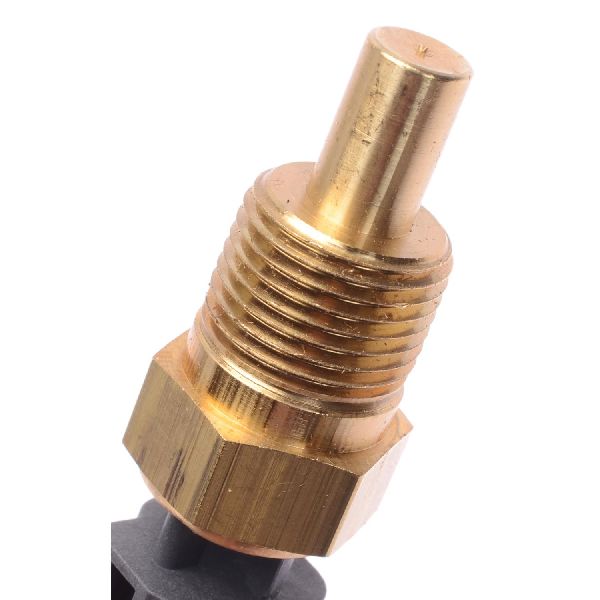
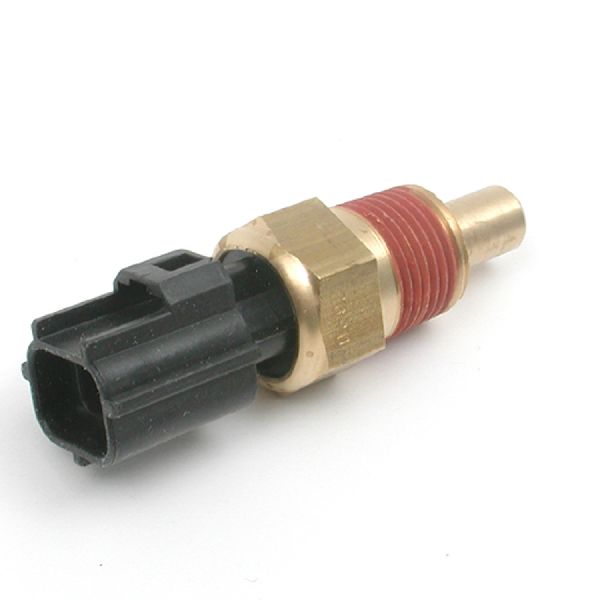
Your Concorde has two temperature sensors. One is the Engine Coolant Temperature (ECT) Sensor for the computer, which is the focus of this article. The other is the Coolant Temperature Sending Unit, which only operates the gauge on your dashboard. While they sometimes fail together, they are separate parts. A faulty ECT sensor will cause engine performance issues and likely trigger a Check Engine Light, while a faulty sender will just make the gauge read incorrectly.
Choosing the Right Aftermarket ECT Sensor
When replacing the ECT sensor on your Concorde, you have a choice between OEM (Mopar) and various aftermarket brands. For a critical sensor like this, quality matters. Inaccurate temperature readings, even by a few degrees, can affect performance and fuel economy.
Here’s a breakdown of common brand tiers to help you decide:
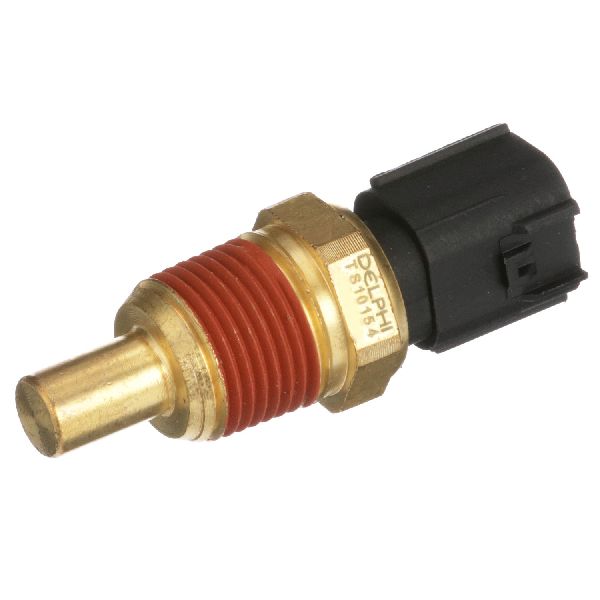
- OEM/Premium Aftermarket (Mopar, Delphi, NGK/NTK): Mopar is the original part your car came with. Delphi is a well-respected brand that often supplies original parts to manufacturers. NGK's sensor brand, NTK, is also known for high-quality products that meet or exceed OEM standards. These brands are your best bet for a reliable, long-lasting repair.
- Quality Aftermarket (Standard Motor Products, Walker Products): Standard Motor Products (SMP) is a long-standing aftermarket company with a generally good reputation. Walker Products also offers a wide range of sensors. These are solid choices if a premium brand isn't available.
- Economy/Store Brands (Four Seasons, True Tech, Duralast, etc.): These brands offer the lowest price point. While tempting, sensor quality can be inconsistent. They may work fine, but there is a higher risk of inaccurate readings or premature failure compared to premium brands. These are best used for a budget-focused repair where long-term reliability is less of a concern.
| Part Type | Estimated Cost |
|---|---|
| New OEM (Mopar) | $35 - $60 |
| New Aftermarket | $13 - $118 |
| Shop Labor | $70 - $105 |
Pro Tip: The location of the ECT sensor can vary depending on your Concorde's engine (2.7L, 3.2L, 3.3L, or 3.5L) and model year. For 3.3L/3.8L V6 models, it's often on the lower intake manifold at the left end of the engine. For other engines, it may be near the thermostat housing. Always confirm the location for your specific vehicle before starting the repair. A quick search for your year and engine size will often yield a diagram or video.
Frequently Asked Questions
What are the most common OBD-II codes for a bad ECT sensor?
The most common codes are P0117 (Engine Coolant Temperature Sensor 1 Circuit Low) and P0118 (Engine Coolant Temperature Sensor 1 Circuit High). P0117 indicates the computer is seeing a voltage lower than expected, often from a short in the wiring. P0118 means the voltage is higher than expected, which can be caused by a bad sensor or an open circuit. You might also see related codes for the cooling fan or fuel system.
Is it hard to replace the ECT sensor myself?
For most DIY mechanics, this is a relatively easy job. It typically involves partially draining the coolant, unplugging the electrical connector, unscrewing the old sensor, and installing the new one. It's important to bleed the air from the cooling system afterward to prevent overheating and gauge fluctuations.
Are there any recalls for the Concorde's ECT sensor?
Our search of the NHTSA database found no specific recalls for the engine coolant temperature sensor on the 1993-2004 Chrysler Concorde. However, there were recalls for other Chrysler vehicles related to cooling fan motors and wiring that could be affected by coolant, so keeping your cooling system in good repair is important.
What's the difference between a 1st Gen (1993-97) and 2nd Gen (1998-2004) Concorde sensor?
The part number and sensor design can differ between generations and even between different engines within the same generation. For example, the sensor for a 1995 3.5L V6 may be different from a 1998 2.7L V6. It is critical to order the part specific to your vehicle's year, make, model, and engine size to ensure a proper fit and correct operation.
Technical Specifications
OEM Part Numbers: 5269870AB
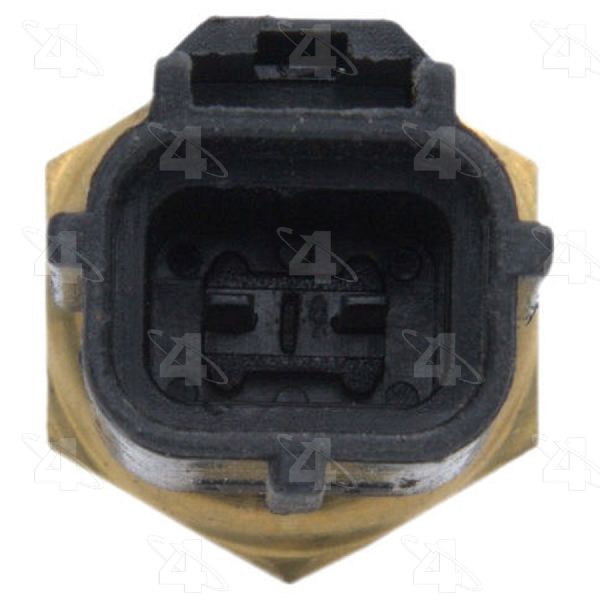
Two-wire thermistor with a negative temperature coefficient. Resistance decreases as coolant temperature increases. Typically supplied with a 5-volt reference from the PCM.
We Have This Part in Stock


The information in this article is provided for general reference and educational purposes only. Vehicle specifications, procedures, and part compatibility can vary by production date, trim level, and region. Always consult your vehicle's factory service manual and verify part numbers before purchasing or performing repairs. Safety-critical components such as airbags, seat belts, and braking systems should be installed by a qualified professional.
- Chrysler Concorde: