

Chrysler Concorde Intake Manifold Gasket Guide (1993-2004)
Leaking coolant or running rough? Your intake manifold gasket may be the problem.
- On 1998-2004 models with the 3.2L/3.5L engine, a coolant leak is very likely from the heater pipe O-ring under the intake; replace it with the gaskets.
- Symptoms include coolant loss, overheating, rough idle, and a Check Engine light with lean or misfire codes.
- This is a labor-intensive job; using a quality aftermarket gasket set like Victor Reinz is a good investment to avoid repeat repairs.
- Using the manufacturer-specified HOAT coolant is recommended to maximize the life of the new gaskets.
Is Your Chrysler Concorde Intake Gasket Failing?
A bad intake manifold gasket is a common issue on both first (1993-1997) and second (1998-2004) generation Chrysler Concorde models. The symptoms usually start small but can lead to serious engine damage if ignored. Knowing the signs can help you catch the problem early.
Key Failure Symptoms
- Coolant Leak: This is the most common sign. You might see puddles of green or orange fluid under your car. On the 3.2L and 3.5L engines, the leak often starts in the valley of the engine, under the intake manifold, so it may not hit the ground right away. You might just notice your coolant level is always low.
- Engine Overheating: A significant coolant leak will cause the engine temperature to rise, especially when idling or in traffic. Driving while overheating can warp cylinder heads and cause catastrophic engine damage.
- Rough Idle or Stalling: If the gasket fails on the air-sealing side, it creates a vacuum leak. This allows unmetered air into the engine, disrupting the air-fuel mixture and causing a shaky, unstable idle or even stalling.
- Check Engine Light: A vacuum leak will often trigger the Check Engine Light. Common codes include P0171 and P0174 for a lean condition, or misfire codes like P0300.
- Hissing Sound: A large vacuum leak can create an audible hissing or whistling noise from the engine bay while the car is running.
Generation-Specific Issues & Known Problems
While the symptoms are similar, the common point of failure can differ between Concorde generations.
- First Generation (1993-1997): On the 3.3L and 3.5L V6s, the gaskets themselves are the typical failure point. Years of heat cycles and exposure to coolant cause the material to degrade and lose its seal.
- Second Generation (1998-2004): While the main gaskets can fail, a very common and often misdiagnosed leak on the 3.2L and 3.5L engines is the O-ring for the heater tube that runs underneath the lower intake manifold. Coolant leaks from this O-ring and fills the engine valley, making it look like a lower intake gasket leak. Since you must remove the intake manifold to access this tube, it is critical to replace this O-ring and the intake gaskets at the same time.
Choosing the Right Aftermarket Gasket Set
You don't need to go to the dealer for this part. Aftermarket gaskets are widely available and often incorporate improved materials compared to the original factory parts. Here's a look at the brands available.
- Victor Reinz: Often considered a premium aftermarket brand, equivalent to OEM quality. Victor Reinz gaskets are engineered to withstand modern long-life coolants and high engine temperatures, making them an excellent choice for a durable repair.
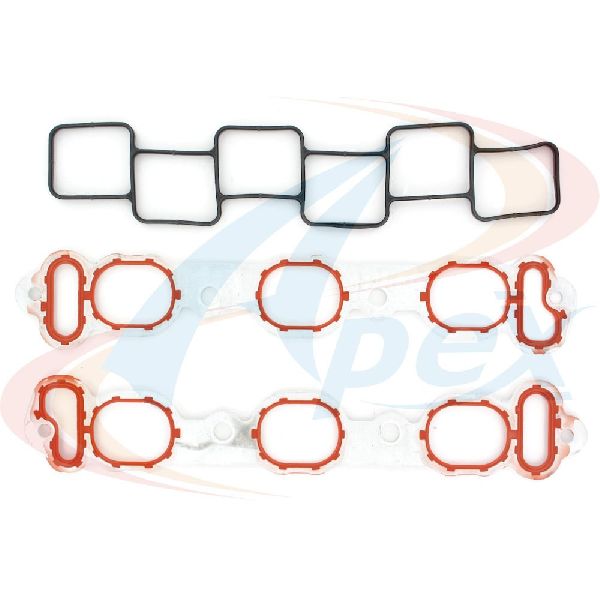
- Apex: This is a more budget-friendly option. Apex states their gaskets meet or exceed OEM specifications. While there are fewer independent reviews available for this brand, they can be a good choice for owners looking for the most affordable repair, especially if the vehicle is older.
For this specific repair, where labor is intensive, investing in a quality gasket set from a brand like Victor Reinz is often recommended to ensure a long-lasting seal.
| Brand Tier | Price Range |
|---|---|
| Budget (e.g., Apex) | $4 - $25 |
| Premium (e.g., Victor Reinz) | $25 - $60 |
Frequently Asked Questions
Is replacing the intake manifold gasket a DIY job?
This is an advanced DIY job. It requires removing the fuel rail, injectors, and numerous other components. The estimated time is over 5 hours for an experienced mechanic. If you are not comfortable with extensive engine work, it is best left to a professional. The job is particularly difficult on the 3.2L and 3.5L engines due to the components packed into the engine bay.
Should I replace any other parts at the same time?
Yes. On 1998-2004 models with the 3.2L or 3.5L engine, it is essential to replace the O-rings on the coolant heater pipe that runs under the intake. It's also a good time to replace the thermostat, spark plugs, and spark plug tube seals, as they are all much easier to access with the intake manifold removed.
Was there a recall for this issue?
No, there were no official recalls from Chrysler or NHTSA for failing intake manifold gaskets on the 1993-2004 Concorde. There was a recall for a fuel rail leak on some 3.5L models that required removing the intake manifold, but it did not cover the gasket itself.
What is the difference between the upper and lower intake gaskets?
These V6 engines have a two-piece intake manifold. The upper intake manifold (or plenum) directs air from the throttle body into the lower manifold runners. The lower intake manifold bolts to the cylinder heads. The lower gaskets are the ones that seal the coolant passages and are the primary source of the major leaks described in this article. Most comprehensive gasket sets include both upper and lower gaskets.
Technical Specifications
Fits 1993-1997 Chrysler Concorde (3.3L, 3.5L V6) and 1998-2004 Chrysler Concorde (2.7L, 3.2L, 3.5L V6). Set may include upper (plenum) and lower intake manifold gaskets. Material construction varies by brand, with premium options featuring advanced rubber compounds resistant to modern coolants.
We Have This Part in Stock


The information in this article is provided for general reference and educational purposes only. Vehicle specifications, procedures, and part compatibility can vary by production date, trim level, and region. Always consult your vehicle's factory service manual and verify part numbers before purchasing or performing repairs. Safety-critical components such as airbags, seat belts, and braking systems should be installed by a qualified professional.
- Chrysler Concorde: