

Chrysler Concorde Radiator: A Guide for 1993-2004 Models
Overheating issues can sideline your Concorde, but choosing the right replacement radiator is key to a lasting repair.
- The most common failure is cracking of the plastic side tanks, leading to coolant leaks and overheating.
- Replacement is a complex job that often requires removing the front bumper assembly, making it difficult for novice mechanics.
- While the radiator is out, it is highly recommended to also replace the radiator hoses, thermostat, and radiator cap to prevent future issues.
- A quality aftermarket brand like Spectra or Denso offers a reliable and cost-effective alternative to an expensive OEM part.
Signs of a Failing Radiator in Your Concorde
A failing radiator can lead to serious engine damage. Watch for these common symptoms:
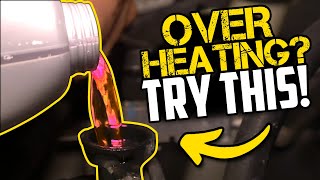
- Engine Overheating: The most obvious sign. If your temperature gauge is climbing 🎬 Watch this guide on diagnosing common engine overheating causes. into the red, your radiator may not be cooling effectively.
- Coolant Leaks: Puddles of sweet-smelling green, orange, or pink fluid under the front of your car are a sure sign of a leak. The original radiators on these cars often have plastic side tanks that can crack and leak with age.
- Visible Damage or Corrosion: Look for bent fins, corrosion, or white, crusty deposits on the radiator core. These can indicate leaks or blockages.
- Low Coolant Level: If you frequently have to add coolant to the reservoir, you likely have a leak somewhere in the system.
Known Issues: Plastic End Tanks & System Clogs
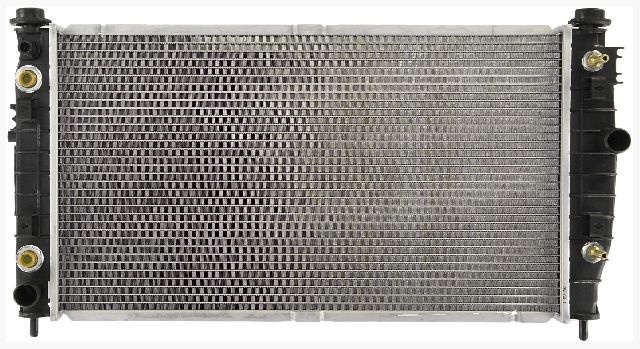
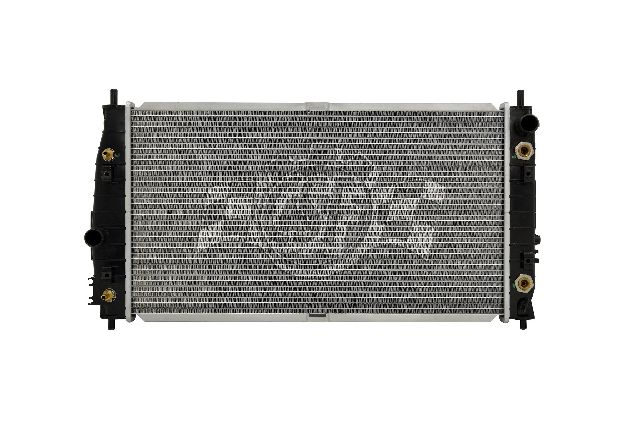
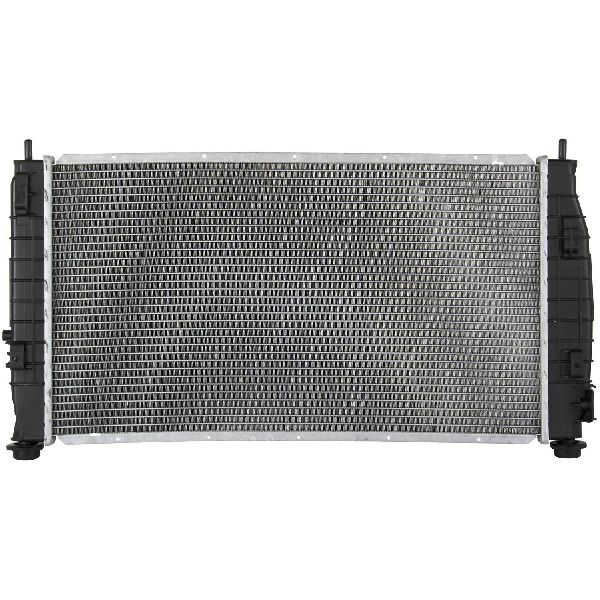
The original radiators on the 1993-2004 Chrysler Concorde, like many cars from this era, use an aluminum core with plastic side tanks. Over time, the plastic can become brittle from heat and pressure, leading to cracks and leaks. Additionally, some Concorde models have been noted to have issues with restricted cooling system passages, which can cause overheating even if the radiator seems fine. When replacing the radiator, it's a good idea to flush the entire cooling system to clear out any debris that could clog the new part.
Choosing the Right Aftermarket Radiator
You don't need to buy an expensive OEM Mopar part for a quality repair. Many aftermarket brands offer excellent quality, often meeting or exceeding the original specifications. Aftermarket radiators are typically divided into a few tiers:
- Premium Brands (e.g., Denso, CSF, Koyorad, Nissens): These brands are known for their high-quality construction and are often considered equivalent to the original factory part. They are a great choice for owners who want the best possible reliability.
- Quality Standard Brands (e.g., Spectra, APDI): Brands like Spectra are very common and have a generally good reputation for reliability and fit. They offer a solid balance of price and performance for a daily driver.
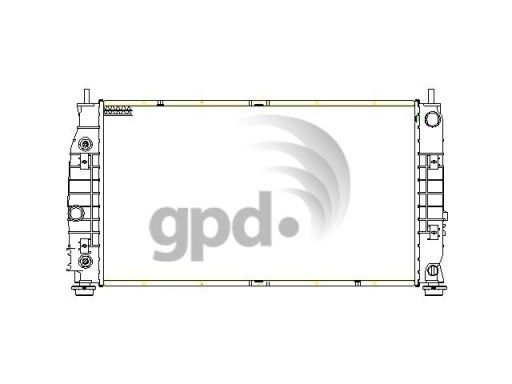
- Economy Brands (e.g., Global Parts, Onix, One Stop Solutions): These are the most budget-friendly options. While they can be a good value, quality can sometimes be inconsistent. They are best for situations where budget is the primary concern.
Pro Tip: Replace More Than Just the Radiator
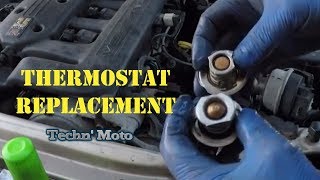
While you have the cooling system drained and accessible, it is highly recommended to also replace the upper and lower radiator hoses, the radiator cap, and the thermostat. 🎬 See how to replace the thermostat on a 3.5L engine. These parts are inexpensive and wear out over time. Replacing them all at once can prevent future failures and save you from doing the job twice.
Cost of Replacing a Chrysler Concorde Radiator
| Part Type | Estimated Cost |
|---|---|
| New Aftermarket Radiator | $39.89 - $246.32 |
| Shop Labor | $207 - $304 |
| Total Professional Replacement | ~$247 - $550+ |
Note: Costs are estimates. The total cost for a professional replacement can vary significantly based on location and the specific parts chosen. Some sources report total costs exceeding $700-$1100, which may include OEM parts or additional related repairs.
Frequently Asked Questions
Is replacing the radiator a DIY job?
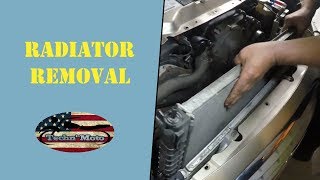
For the Chrysler Concorde, replacing the radiator is a labor-intensive job. It often requires removing the entire front bumper and radiator support assembly to gain access. While possible for an experienced DIY mechanic, it can be challenging due to tight spaces and the number of components to disconnect. It may require a helper. If you are not comfortable with extensive disassembly, it is best to leave this job to a professional.
🎬 Watch a step-by-step walkthrough of the radiator removal process.Do I need a special type of coolant for my Concorde?
Yes, using the correct coolant is critical. Chrysler vehicles of this era require a specific type of Hybrid Organic Acid Technology (HOAT) coolant. Using the wrong type can lead to corrosion and damage to cooling system components. Always check your owner's manual or a reliable source for the exact coolant specification for your model year.
Are there any recalls for the radiator on my Concorde?
No, searches of the National Highway Traffic Safety Administration (NHTSA) database did not show any specific recalls for the radiator on the 1993-2004 Chrysler Concorde. However, there are several Technical Service Bulletins (TSBs) related to the cooling system, addressing issues like proper filling procedures and potential overheating after service.
Should I get an all-aluminum radiator instead of one with plastic tanks?
For most owners, a quality aftermarket radiator with plastic tanks and an aluminum core is perfectly sufficient and cost-effective. While all-aluminum radiators (often sold as "performance" or "heavy-duty" upgrades) can offer better durability, they are significantly more expensive and not necessary for a stock vehicle under normal driving conditions.
Helpful Videos
Technical Specifications
OEM Part Numbers: 5012990AA 4773221 4773222 4773223 4773224
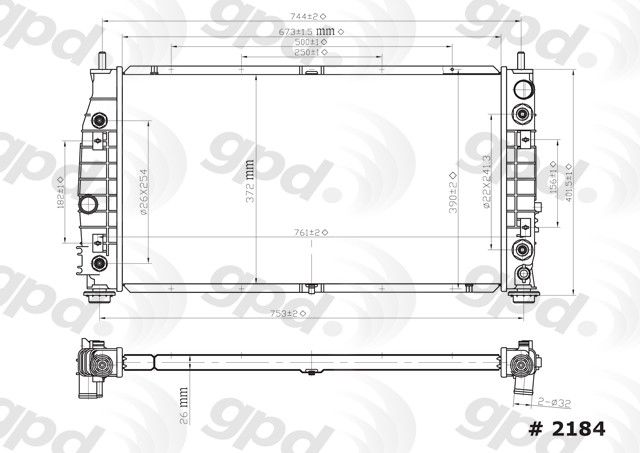
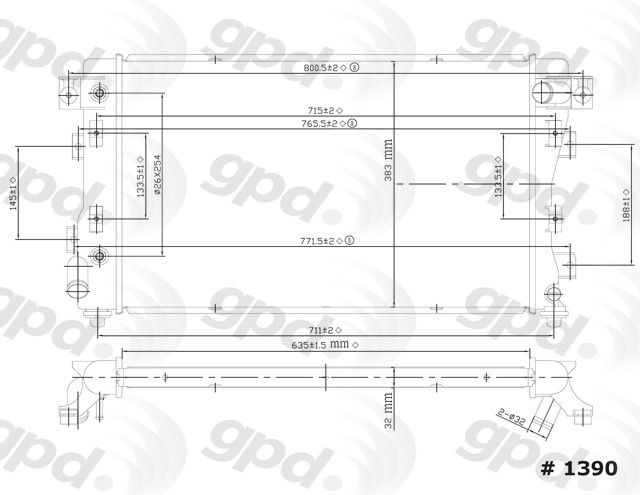
Most aftermarket radiators for the 1993-2004 Concorde feature an aluminum core with plastic tanks, a crossflow design, and an integrated transmission oil cooler. Core thickness is typically around 1 inch.
We Have This Part in Stock

The information in this article is provided for general reference and educational purposes only. Vehicle specifications, procedures, and part compatibility can vary by production date, trim level, and region. Always consult your vehicle's factory service manual and verify part numbers before purchasing or performing repairs. Safety-critical components such as airbags, seat belts, and braking systems should be installed by a qualified professional.
- Chrysler Concorde: