

Chrysler Intrepid (1993-2004) Crankshaft Position Sensor: A Complete Guide
Fix common stalling and no-start problems on your Intrepid by understanding this critical engine sensor.
- Sudden stalling, especially when the engine is hot, is the number one symptom of a failing crankshaft sensor on an Intrepid.
- Your Intrepid's computer can be sensitive; using a Mopar sensor or a high-quality aftermarket brand like Standard Motor Products or NTK is strongly recommended.
- The diagnostic trouble code P0335 directly points to a problem in the crankshaft position sensor circuit.
- The sensor is located on the passenger side of the engine block on 2.7L/3.2L/3.5L models and is a manageable DIY replacement with basic tools.
Is Your Intrepid Stalling or Refusing to Start?
One of the most common and frustrating issues for 1993-2004 Chrysler Intrepid owners is when the engine suddenly stalls while driving or won't start at all. Often, the culprit is a failing engine crankshaft position sensor. This sensor is critical for engine operation, and when it begins to fail, it can cause intermittent problems that are sometimes hard to diagnose. A typical failure scenario is the engine stalling once it gets hot, and then refusing to restart until it has cooled down for a period of time.
Symptoms of a Failing Crankshaft Position Sensor
If the crankshaft sensor on your Intrepid is going bad, you will likely experience one or more of these issues:
- Engine Stalls Unexpectedly: The most reported complaint is the engine cutting out while driving, especially after the car has warmed up.
- No-Start Condition: The engine will crank over, but it will not fire up. You might get a single spark when you first start cranking, and then nothing.
- Hard Starting: The engine takes longer than usual to start.
- Check Engine Light: The malfunction indicator lamp (MIL) may turn on, often storing the code P0335. However, the sensor can fail intermittently without immediately triggering a light.
- Rough Idling or Misfires: The engine may run poorly, shake, or feel like it's stumbling.
OEM vs. Aftermarket Sensors: A Word of Caution
Chrysler vehicles from this era can be very particular about electronic parts. Forum discussions among long-time owners and mechanics often warn against using cheap, no-name aftermarket sensors. While an OEM Mopar sensor is the safest bet, some higher-quality aftermarket brands are known to be reliable. If the budget is tight, choosing a reputable aftermarket brand is a much better option than the cheapest part available. A poor-quality sensor can fail quickly, leaving you stranded again.
Choosing the Right Aftermarket Sensor
Given the sensitivity of the Intrepid's engine management system, selecting a quality part is key. Here’s a breakdown of aftermarket brand tiers based on general reputation:
- Tier 1 (High-Quality Aftermarket): Brands like Standard Motor Products (SMP) and NGK/NTK are often cited as reliable alternatives to OEM. These brands have a reputation for better quality control and materials, making them a solid choice if you can't get a Mopar part.
- Tier 2 (Reputable Mid-Range): Brands such as Spectra, Walker Products, and Holstein offer a balance of affordability and performance. They are generally considered a step up from basic store brands.
- Tier 3 (Budget Options): Brands like Dorman and other store-exclusive lines fall into this category. While Dorman offers a wide range of parts, some electronic components can be hit-or-miss in terms of longevity. These parts can solve the problem for a low price, but carry a higher risk of premature failure.
Cost to Replace the Crankshaft Sensor
The cost can vary depending on whether you do the job yourself or take it to a shop. The part itself is relatively inexpensive.
| Part/Service | Estimated Cost |
|---|---|
| New Aftermarket Sensor | $24 - $60 |
| New OEM (Mopar) Sensor | $65 - $130 |
| Shop Labor | $100 - $200 |
| Total (Shop Repair) | $124 - $330 |
Frequently Asked Questions
Where is the crankshaft sensor located on my Intrepid?
The location depends on your engine. For the second-generation Intrepid with the 2.7L, 3.2L, or 3.5L V6, the sensor is on the passenger side of the engine block, near the transmission bell housing. It's typically accessed from underneath the car and is held in by a single 10mm bolt. For first-generation models with the 3.3L V6, the sensor is located on the front of the engine, near the crankshaft pulley, and can be accessed from the top.
Can I replace this sensor myself?
Yes, this is a DIY-feasible job for someone with basic mechanical skills. The main challenge is access. On the 2.7L engine, it is in a tight spot near the hot exhaust manifold, so it's best to work on a cold engine. You will need a ratchet with a 10mm socket. Gently wiggling the old sensor while pulling can help remove it from the engine block.
Are there any recalls or TSBs for this part?
There are no active recalls from Chrysler or NHTSA for the crankshaft position sensor on the 1993-2004 Intrepid. However, the common failure of this part, especially when the engine is hot, is well-documented by owners and mechanics, and one source noted a Technical Service Bulletin (TSB) exists for this issue, though the specific number is not widely published.
What's the difference between a crankshaft and a camshaft sensor?
They perform similar functions but monitor different shafts. The crankshaft sensor tracks the main rotation of the engine, while the camshaft sensor tracks the rotation of the camshaft, which controls the valves. Both are critical for timing. On some Intrepids, owners have replaced both sensors at the same time to resolve persistent stalling issues.
Technical Specifications
OEM Part Numbers: 5029811AC 5029811AD
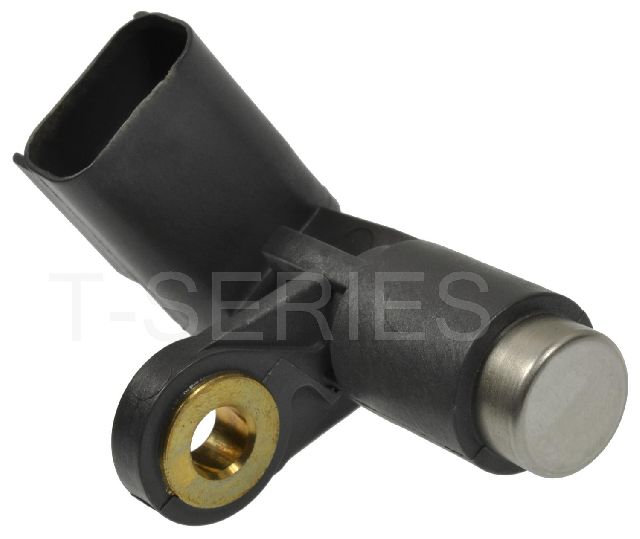
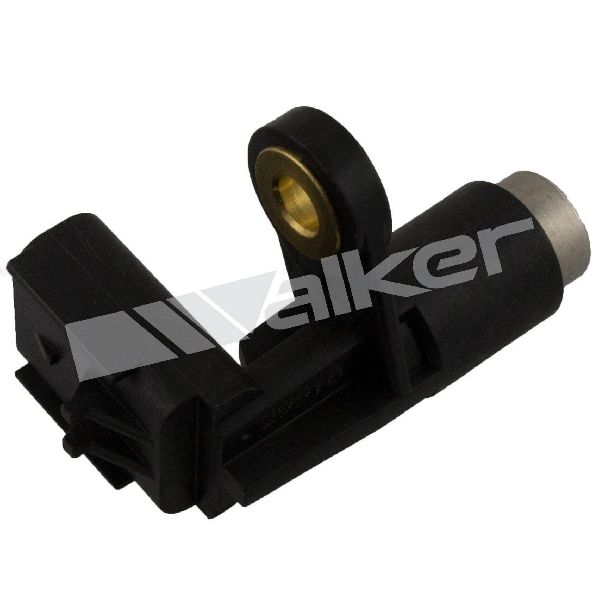
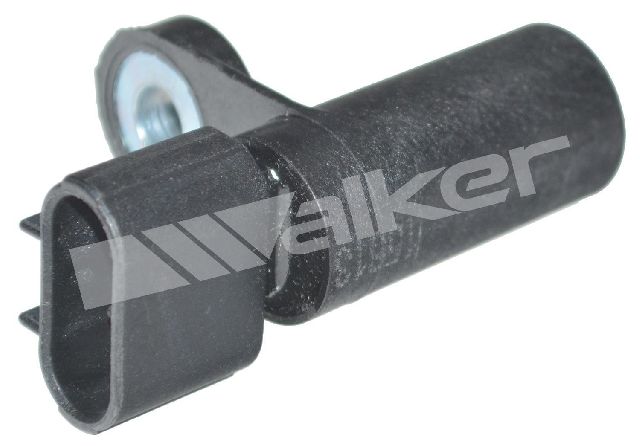
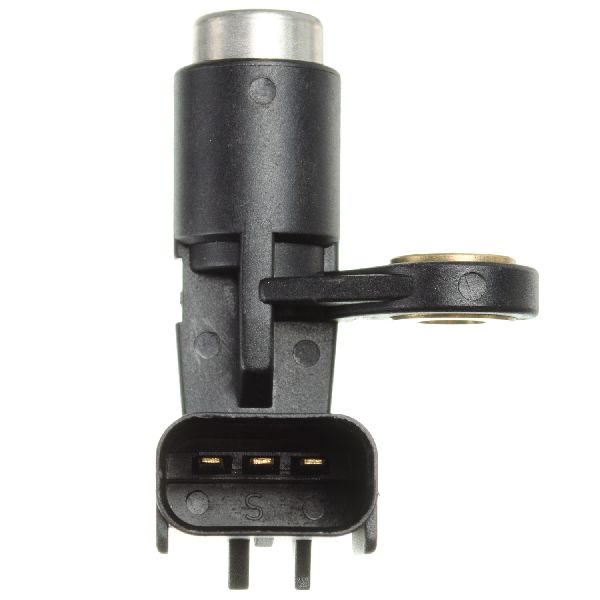
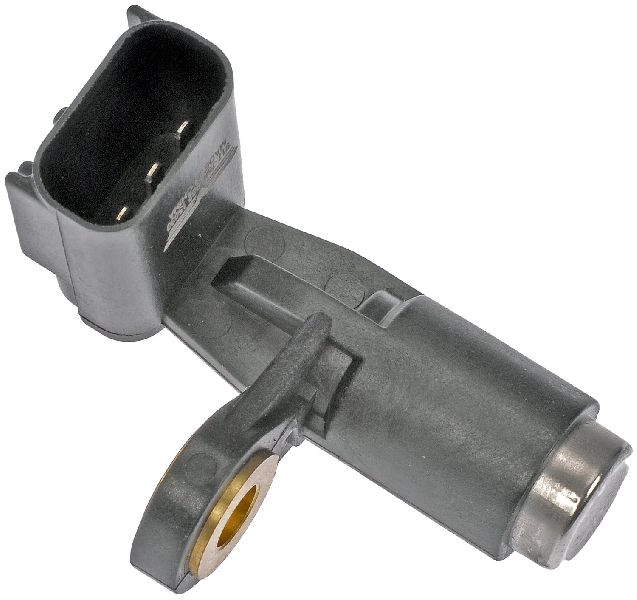
The sensor is a 3-pin magnetic type sensor held in place by a single 10mm bolt. It reads the position of the crankshaft via a tone wheel.
We Have This Part in Stock


The information in this article is provided for general reference and educational purposes only. Vehicle specifications, procedures, and part compatibility can vary by production date, trim level, and region. Always consult your vehicle's factory service manual and verify part numbers before purchasing or performing repairs. Safety-critical components such as airbags, seat belts, and braking systems should be installed by a qualified professional.
- Chrysler Intrepid: