

Chrysler Intrepid Input and Output Speed Sensor Guide (1993-2004)
Solving erratic shifting and limp mode in your Intrepid starts with these two critical sensors.
- Your Intrepid has two separate sensors (Input and Output) that commonly fail.
- Symptoms include being stuck in gear ('limp mode'), harsh shifting, and a dead speedometer.
- It is strongly recommended to replace both sensors at the same time as a pair.
- This is a simple, low-cost DIY repair that most owners can do in under an hour.
Is a Bad Speed Sensor Causing Your Intrepid's Problems?
If your Chrysler Intrepid has an erratic speedometer, shifts gears harshly, or gets stuck in one gear (known as "limp mode"), a failing vehicle speed sensor is a likely culprit. These sensors are essential for telling the automatic transmission when to shift. Because they are electronic parts mounted on the transmission, they are exposed to constant heat and vibration and can fail over time. Fortunately, this is a common issue with a straightforward and affordable fix.
Input vs. Output Sensors: A Critical Difference
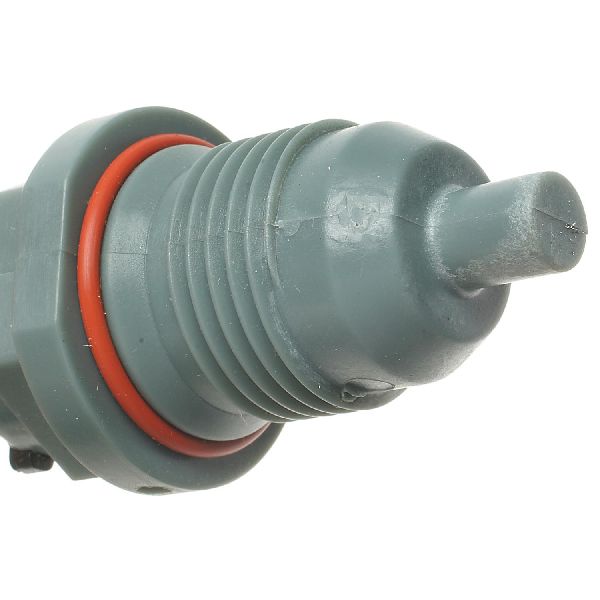
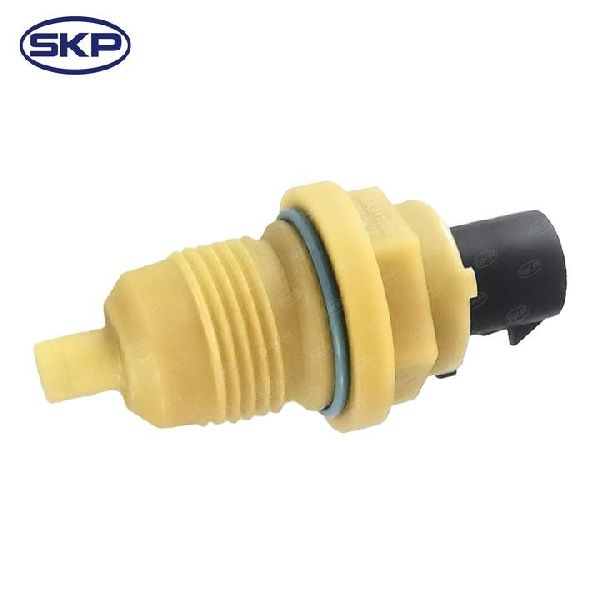
Your Intrepid has two separate speed sensors on its automatic transaxle: an input sensor and an output sensor. The input sensor reports the speed of the transmission's input shaft to the computer. The output sensor reports the speed of the output shaft, which is used for the speedometer reading. While you can replace them one at a time, they tend to fail around the same time.
Pro Tip: It is highly recommended to replace both the input and output sensors at the same time. Since you already have the car lifted and tools out, replacing them in pairs is cheap insurance against having to do the same job twice in the near future.
Choosing the Right Aftermarket Speed Sensor
For a vehicle like the 1993-2004 Intrepid, aftermarket sensors offer excellent value. The original OEM sensors are known to fail, so an aftermarket replacement is not a downgrade. The replacement is a simple job, making affordable aftermarket parts a smart choice for the DIY mechanic.
- Established Brands (Standard Ignition, Holstein): Brands like Standard Ignition have a long history of providing quality parts to professional technicians. Holstein is another brand that emphasizes using high-quality materials and often provides a warranty, such as a 3-year / 36,000-mile warranty on their sensors. These are reliable choices for a daily driver.
- Value Brands (Skyward, True Tech): These brands provide a functional replacement at the lowest price point. For an older vehicle where budget is the primary concern, these sensors will get the job done and restore proper transmission function.
| Part Type | Price Range (Per Sensor) | Notes |
|---|---|---|
| New Aftermarket | $13.98 - $32.08 | Excellent value. Recommended to buy as a pair. |
| New OEM | $60 - $100+ | Harder to find and offers no significant advantage in longevity. |
| Shop Labor | $100 - $150 | Typically billed as 1 hour of labor. |
Known Issues & Recalls
There are no specific NHTSA recalls or widespread Technical Service Bulletins (TSBs) for the vehicle speed sensors on the 1993-2004 Chrysler Intrepid. Failures are treated as a standard wear-and-tear repair. The most well-known issue is simply that they fail frequently, causing the distinct symptoms of limp mode and poor shifting.
Frequently Asked Questions (FAQ)
Where are the speed sensors located on a Chrysler Intrepid?
The input and output speed sensors are located on the driver's side of the automatic transaxle. You will need to get under the vehicle to see them. The input sensor is typically closer to the engine, while the output sensor is toward the rear of the transmission.
What is "limp mode"?
Limp mode, or "limp-home mode," is a protective feature where the transmission control module (TCM) detects a serious fault, like a failed speed sensor. It locks the transmission into a single gear (usually 2nd) to prevent further damage and allow you to drive to a safe location or repair shop. You will have limited power and should not drive on the highway.
Do I have to replace both sensors at once?
While not strictly required, it is highly recommended by mechanics and experienced owners. The sensors are exposed to the same conditions and have a similar lifespan. If one has failed, the other is likely not far behind. Replacing them as a pair saves you from a future breakdown and repeating the same repair job.
Can I replace these sensors myself?
Yes, this is a very DIY-friendly job for those with basic hand tools. The sensors are held in by a single bolt or are threaded into the transmission case. Access can be a bit tight, but the replacement typically takes less than an hour.
Technical Specifications
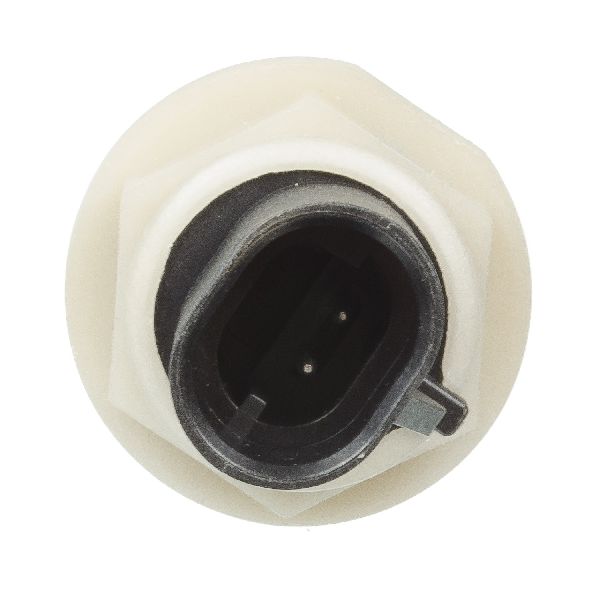
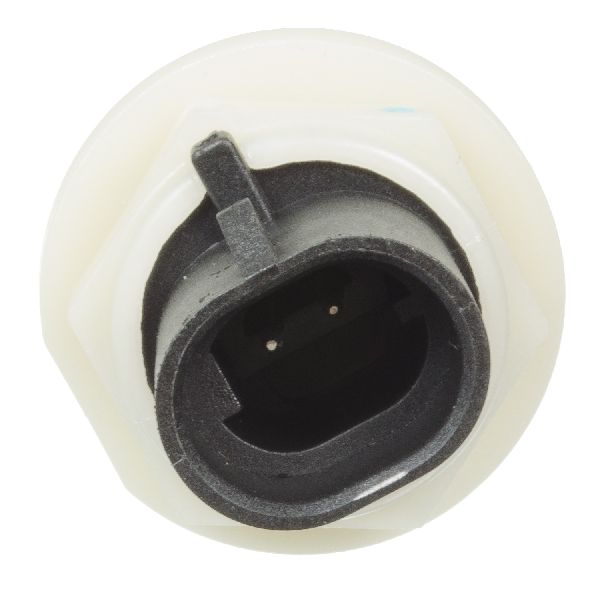
The critical specification is ensuring you have both an 'Input' and an 'Output' sensor, as they are not interchangeable. They are typically sold as a set or individually marked.
We Have This Part in Stock


The information in this article is provided for general reference and educational purposes only. Vehicle specifications, procedures, and part compatibility can vary by production date, trim level, and region. Always consult your vehicle's factory service manual and verify part numbers before purchasing or performing repairs. Safety-critical components such as airbags, seat belts, and braking systems should be installed by a qualified professional.
- Chrysler Intrepid: