

Dodge Intrepid Automatic Transmission Output Speed Sensor Guide (1993-2004)
Solve common shifting problems and get your Intrepid out of limp mode with this vehicle-specific guide.
- A bad output speed sensor is a primary cause of 'limp mode' and speedometer failure on the 1993-2004 Intrepid.
- It is highly recommended to replace the input and output speed sensors together as a pair for reliability.
- This is an inexpensive and simple DIY repair that most owners can do in under an hour with basic tools.
- Always inspect the wiring connector for damage or melting before replacing the sensor.
Is a Failing Output Speed Sensor Your Intrepid's Problem?
If your Dodge Intrepid suddenly refuses to shift, the speedometer stops working, or it feels stuck in a single gear, a bad output speed sensor is a very likely cause. This is one of the most common failure points on the 1993-2004 Intrepid's automatic transmission. These electronic sensors are located on the outside of the transmission, where they are exposed to constant heat and vibration, causing them to fail over time. The good news is that it's an inexpensive part and a straightforward repair you can often do yourself.
🎬 Watch this step-by-step speed sensor replacement walkthrough.What is "Limp Mode"?
Limp mode is a self-preservation feature of your Intrepid's computer. When it detects a serious problem, like a failed speed sensor, it locks the transmission in a single gear (usually second gear) to prevent further damage. This allows you to "limp" to a repair shop, but you will have very slow acceleration and won't be able to reach highway speeds. Restarting the car can sometimes temporarily fix the problem, but it will return until the faulty sensor is replaced.
🎬 Learn more about diagnosing limp mode and transmission codes.Choosing the Right Aftermarket Sensor
For a vehicle like the 1993-2004 Intrepid, an aftermarket sensor is a practical and affordable choice. While you could try to find an original Mopar part, a quality aftermarket replacement will perform reliably. However, quality can vary between brands.
- Reputable Aftermarket Brands: Brands like NGK (NTK) and Standard Ignition (SMP) have a strong reputation for making reliable sensors that meet or exceed original factory specifications. They often use high-quality materials resistant to heat and chemicals and may offer warranties.
- Budget-Friendly Options: Brands such as ATP, Pioneer Cable, and others offer a lower-cost alternative. While they can work, their long-term durability may not be as proven as the more established brands. For a critical part like a transmission sensor, spending a few extra dollars for a well-known brand is often a wise investment.
Pro Tip: Replace Both Sensors at the Same Time
Your Intrepid's transmission also has an input shaft speed sensor, which fails just as often as the output sensor. Since they are the same age and live in the same harsh environment, it is highly recommended to replace both the input and output sensors as a pair. 🎬 See how to install both input and output sensors together. This can save you from having to do the same job twice in the near future. Many retailers sell them as a set.
Cost to Replace Dodge Intrepid Output Speed Sensor
| Part/Service | Estimated Cost |
|---|---|
| New Aftermarket Output Speed Sensor | $13.98 - $38.64 |
| Shop Labor | $80 - $150 |
| Total (DIY) | $13.98 - $38.64 |
| Total (Installed at Shop) | $94 - $189 |
Frequently Asked Questions (FAQ)
Where is the output speed sensor located on the Dodge Intrepid?
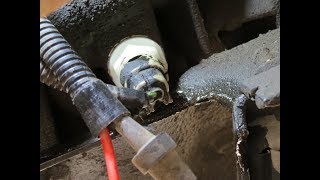
The output speed sensor is located on the driver's side of the transmission, toward the rear. You will need to get under the car to access it. It is often near the exhaust pipe. The input speed sensor is located nearby, but closer to the front of the vehicle (towards the engine). Both sensors are held in by a single bolt or are threaded directly into the transmission case and have an electrical connector.
Is this a difficult repair to do myself?
No, this is a very DIY-friendly job for most home mechanics. The replacement typically takes less than an hour with basic hand tools, like a 1-inch socket and a small screwdriver to release the connector tab. The main challenge is having safe access under the vehicle.
Are there any recalls for this part?
A search of the National Highway Traffic Safety Administration (NHTSA) database shows no specific recalls for the transmission speed sensors on the 1993-2004 Dodge Intrepid. Any failures are typically due to the age and mileage of the vehicle. There have been other transmission-related recalls for these vehicles, but none that target the speed sensors directly.
Do I need to reset the computer after replacing the sensor?
It is a good practice to clear the trouble codes with a scan tool after the repair. If you don't have a scan tool, you can disconnect the battery for about 10-15 minutes to perform a hard reset of the computer system. This will ensure the computer relearns with the signal from the new sensor.
Could a bad wire cause the same problem?
Yes. Before replacing the sensor, always inspect the wiring harness and connector that plugs into it. The wiring runs near hot exhaust components and can sometimes melt or become damaged, causing the exact same symptoms as a failed sensor. A visual inspection can save you from replacing a part that isn't broken.
Helpful Videos

Technical Specifications
OEM Part Numbers: 04800879
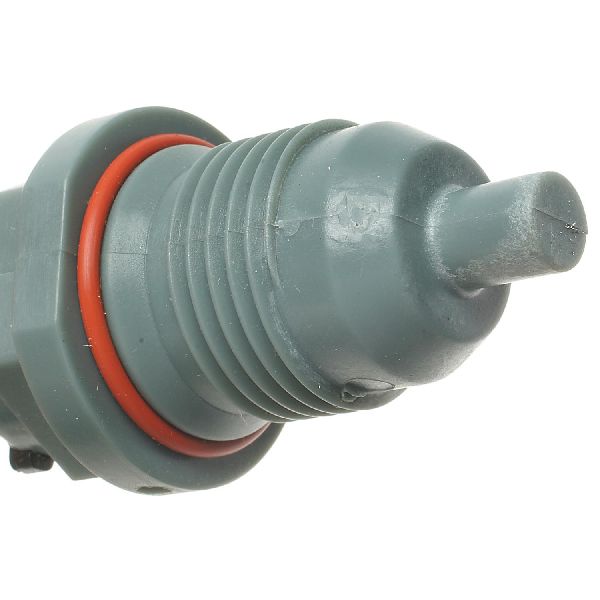
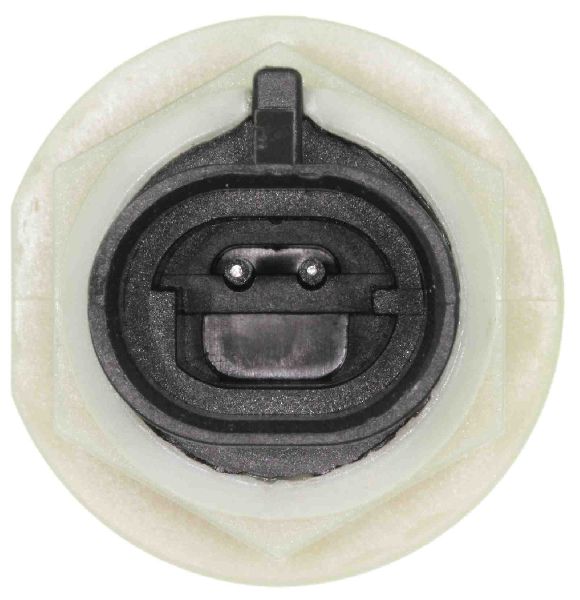
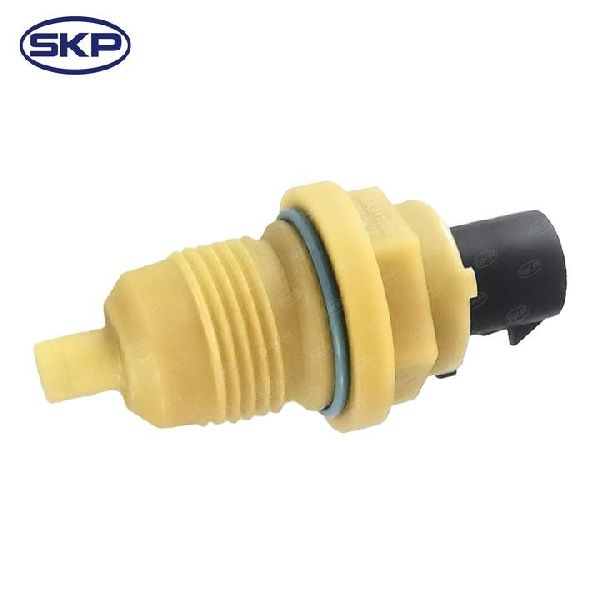
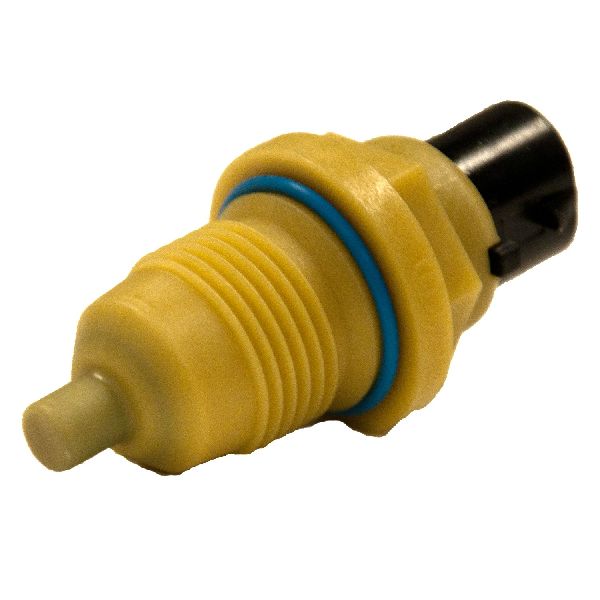
The sensor is a 2-pin magnetic sensor that threads or bolts into the driver's side of the transmission housing. A 1-inch socket is typically required for removal.
We Have This Part in Stock


The information in this article is provided for general reference and educational purposes only. Vehicle specifications, procedures, and part compatibility can vary by production date, trim level, and region. Always consult your vehicle's factory service manual and verify part numbers before purchasing or performing repairs. Safety-critical components such as airbags, seat belts, and braking systems should be installed by a qualified professional.
- Dodge Intrepid: