

Dodge Intrepid Engine Coolant Temperature Sensor Replacement Guide (1993-2004)
An inaccurate temperature reading on your Intrepid can cause poor performance and overheating; here’s how to choose the right replacement sensor.
- A faulty ECT sensor can cause a Check Engine Light, poor fuel economy, and overheating on your Intrepid.
- Replacement is simple, requiring basic tools and about 30 minutes, making it a great DIY task.
- Due to the Intrepid's known cooling system sensitivities, use a quality aftermarket brand like Delphi, NGK, or Standard Ignition for reliability.
- Always bleed air from the cooling system using the bleeder screw after replacing the sensor to prevent new issues.
Is Your Dodge Intrepid's Coolant Sensor Failing?
A failing Engine Coolant Temperature (ECT) sensor can cause a variety of confusing symptoms. Because the sensor's reading affects so many engine functions, a bad signal can make the car run poorly. On a Dodge Intrepid, which can be sensitive to cooling system issues, catching a bad sensor early is important.
Common Symptoms of a Bad ECT Sensor:
- Check Engine Light: This is the most common sign. The system will often trigger codes like P0117 (signal too low) or P0118 (signal too high).
- Inaccurate Temperature Gauge: The gauge on your dashboard may read unusually high, unusually low, or not move at all.
- Engine Overheating: If the sensor fails to report a high temperature, the cooling fans may not turn on when they should, leading to overheating.
- Cooling Fans Run Constantly: A false high-temperature signal can cause the cooling fans to run all the time, even when the engine is cold.
- Poor Fuel Economy: If the sensor incorrectly tells the computer the engine is cold, the system will run a rich fuel mixture, wasting gas.
- Rough Idle or Stalling: The wrong fuel and timing adjustments can make the engine run poorly.
- Hard Starting: Especially when the engine is warm, an incorrect temperature signal can make it difficult to start.
A Note on Intrepid Engines
The second-generation (1998-2004) Intrepid with the 2.7L V6 engine is known for significant engine problems, often stemming from the cooling system. While a faulty ECT sensor is a relatively minor issue, you should never ignore overheating symptoms with these cars. Always verify coolant levels and check for leaks, as the root cause could be more serious than just a sensor.
Choosing the Right Aftermarket Sensor
While you can buy an OEM Mopar sensor from a dealership, the aftermarket offers many quality options at a lower price. For a critical sensor like this on an Intrepid, it's best to avoid the cheapest, no-name brands, which can be inaccurate or fail prematurely. We recommend sticking with established brands.
Brand Quality Tiers
- Premium Aftermarket (OEM-level Quality): Brands like Delphi and NGK are often original equipment manufacturers for many car brands. They are known for reliable, accurate sensors that perform like the original Mopar part.
- Standard Replacement Aftermarket: Brands such as Standard Ignition (SMP), ACDelco, Holstein, and Walker Products offer a good balance of quality and value. They are a reliable choice for most repairs.
- Value Options: Brands like Four Seasons and True Tech fall into the budget-friendly category. They can be a viable option, but may not offer the same long-term durability as premium brands.
| Part Type | Typical Price Range |
|---|---|
| New OEM (Mopar) | $75 - $120 |
| New Aftermarket | $13 - $70 |
| Shop Labor | $60 - $120 |
Installation is DIY-Friendly
Replacing the ECT sensor on a 1993-2004 Intrepid is a straightforward job for a DIYer. It's typically located on the coolant housing at the front of the engine and requires only a deep socket to replace. The key is to work on a cool engine and have the new sensor ready to swap in quickly to minimize coolant loss. Always remember to use the air bleeder screw to remove any air from the system after the replacement.
Frequently Asked Questions
Where is the ECT sensor located on a Dodge Intrepid?
The sensor is usually screwed into the thermostat housing or coolant outlet assembly at the front of the engine, near where the upper radiator hose connects.
Can I replace this sensor myself?
Yes, this is a beginner-level task. You'll need a ratchet with a deep socket (a 3/4" socket is common for the 2.7L engine). The entire job can usually be done in under 30 minutes.
Do I need to drain the coolant to replace it?
No, you do not need to fully drain the system. A small amount of coolant will leak out when you remove the old sensor. Have the new sensor ready to install immediately to keep coolant loss to a minimum. Top off the coolant reservoir afterward if needed.
Is a bad sensor the only cause for my Intrepid's overheating?
No. Overheating in a Dodge Intrepid is a common complaint and can be caused by many issues, including a bad thermostat, a failing water pump, coolant leaks, or air in the system. If you replace the sensor and the problem persists, a more thorough diagnosis of the cooling system is necessary.
Technical Specifications
OEM Part Numbers: 5269870AB 33004281
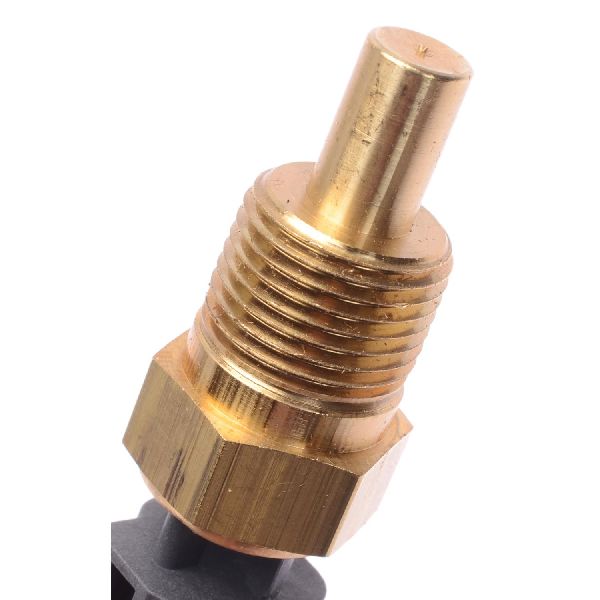
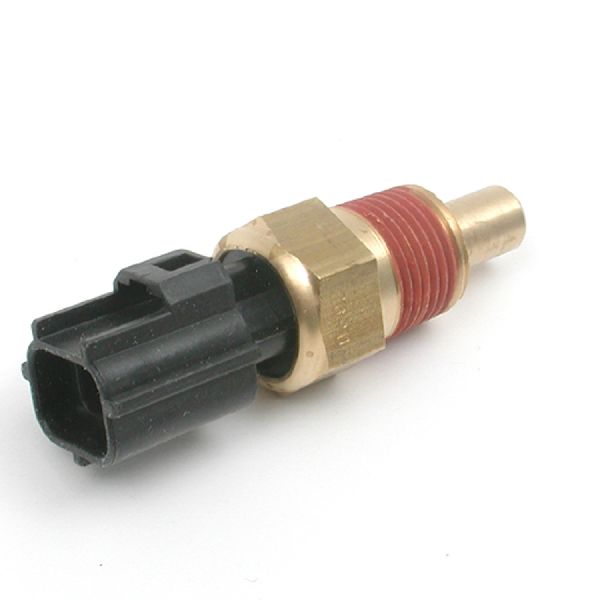
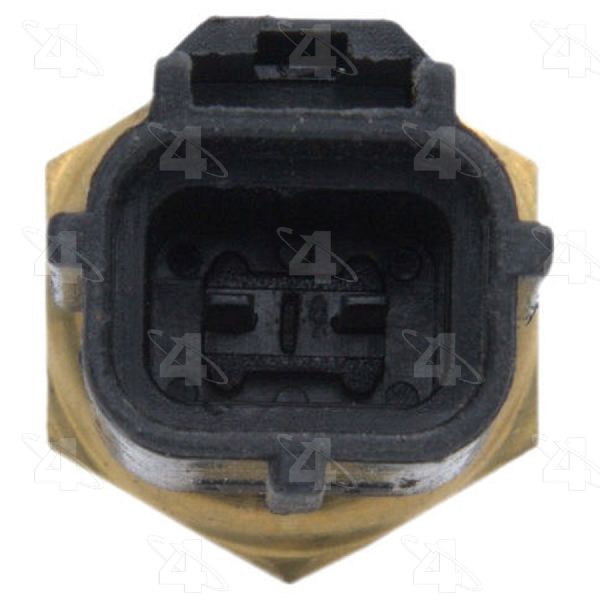
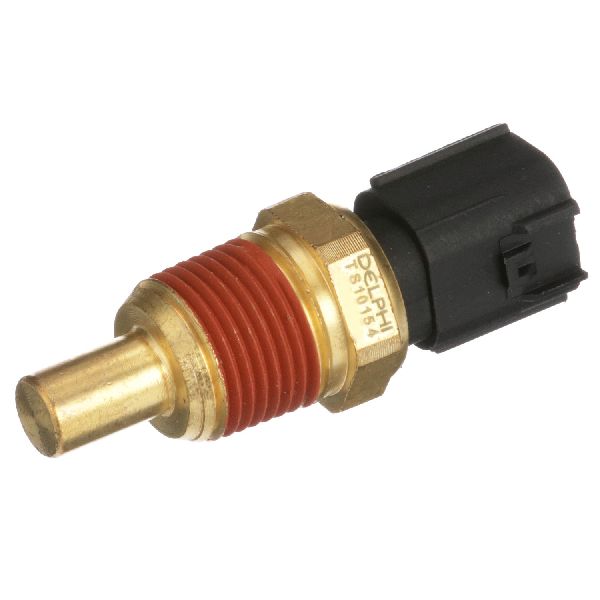
The ECT sensor is a two-wire thermistor that changes resistance based on coolant temperature. It typically has a threaded body and a plastic electrical connector housing.
We Have This Part in Stock


The information in this article is provided for general reference and educational purposes only. Vehicle specifications, procedures, and part compatibility can vary by production date, trim level, and region. Always consult your vehicle's factory service manual and verify part numbers before purchasing or performing repairs. Safety-critical components such as airbags, seat belts, and braking systems should be installed by a qualified professional.
- Dodge Intrepid: