

Dodge Intrepid (1993-2004) Engine Intake Manifold Temperature Sensor Guide
Experiencing poor fuel economy or a rough idle in your Dodge Intrepid? A bad intake temperature sensor could be the culprit.
- A bad IAT sensor commonly causes a Check Engine Light with codes P0112 or P0113.
- Symptoms include poor gas mileage, rough idle, and hard starting.
- Replacement is a very easy DIY job, often taking less than 30 minutes with basic tools.
- For this part, a quality aftermarket brand is a cost-effective and reliable alternative to OEM.
Is a bad Intake Air Temperature Sensor causing your Intrepid's problems?
If you own a 1993-2004 Dodge Intrepid, you know that keeping it running smoothly requires attention to its various sensors. The Intake Air Temperature (IAT) sensor is a small but important part. It tells your car's computer how hot or cold the air is, which helps the engine run efficiently. When it fails, it can cause a number of noticeable problems. Because it's a simple electronic part, it often fails due to age or contamination from oil and debris in the engine bay.
Symptoms of a Failing IAT Sensor
A bad IAT sensor usually won't stop your Intrepid from running, but it will affect performance and efficiency. The engine's computer may enter a "fail-safe" mode, using a default temperature value that isn't ideal. Here are the most common signs:
- Check Engine Light: This is the most common symptom. A scan will typically show codes like P0112 (Circuit Low) or P0113 (Circuit High), which point to an electrical issue with the sensor or its wiring.
- Poor Fuel Economy: If the sensor incorrectly tells the computer the air is cold, the engine will use more fuel than necessary, causing your gas mileage to drop.
- Rough Idle: An incorrect air-fuel mixture can make the engine idle unevenly or feel like it's stumbling.
- Hard Starting: The engine may be difficult to start, especially when it's cold, if the computer is getting the wrong temperature reading.
- Hesitation or Stalling: You might notice a lag in acceleration or, in some cases, the engine may stall when you press the gas pedal.
Aftermarket IAT Sensor Cost: 1993-2004 Dodge Intrepid
| Brand Tier | Example Brands | Our Price Range | Notes |
|---|---|---|---|
| Standard Replacement | Standard Ignition | $40 - $57 | A well-known brand with a reputation for reliable quality, often considered a safe bet for aftermarket sensors. |
| Economy | True Tech | $28 - $35 | A budget-friendly option. Quality can be a variable, but for a simple sensor on an older vehicle, it can be a cost-effective choice. |
Choosing Your Aftermarket Sensor: Standard Ignition vs. True Tech
For a non-critical sensor like the IAT on an older vehicle like the Intrepid, a quality aftermarket part is a smart, budget-friendly choice. OEM Mopar parts can be difficult to find and more expensive.
- Standard Ignition (SMP): This is a widely recognized aftermarket manufacturer. For a part like the IAT sensor, their products are generally considered a reliable, direct-fit replacement that performs similarly to the original.
- True Tech: This brand falls into the economy tier. While it offers significant savings, there is less public information and fewer reviews available regarding its long-term reliability compared to more established brands.
Pro Tip: Before replacing the sensor, first check the electrical connector for corrosion or loose pins, as this can cause the same symptoms. Sometimes, simply cleaning the connector can solve the problem.
Known Issues, Recalls, and TSBs
Our research found no specific recalls or Technical Service Bulletins (TSBs) from Dodge or the NHTSA for the Intake Air Temperature sensor on the 1993-2004 Dodge Intrepid. Problems with this part are typically due to normal wear and tear over time.
Frequently Asked Questions (FAQ)
Where is the IAT sensor located on my Dodge Intrepid?
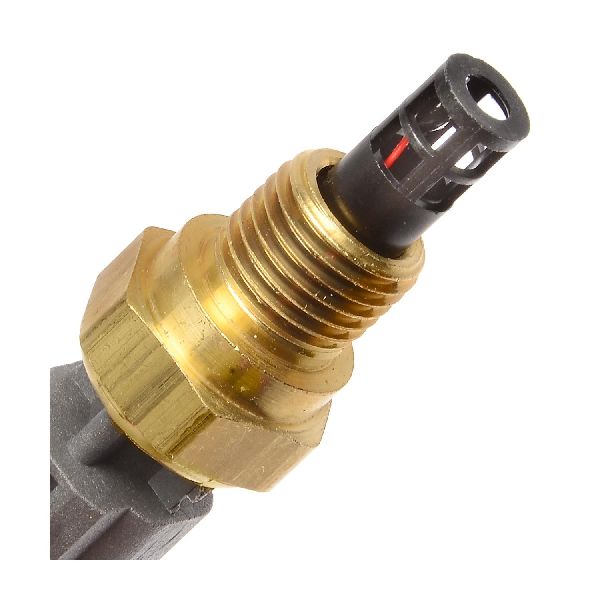
The location varies slightly by engine. On the popular 2.7L V6 engine, the IAT sensor is screwed directly into the top of the upper plastic intake manifold, making it very easy to access. On other engines, it may be located in the flexible air intake tube between the air filter box and the throttle body. Look for a small, two-wire sensor.
Can I replace this sensor myself?
Yes, this is a great DIY job for beginners. For most Intrepid engines, the job requires only basic tools, like a socket or wrench (a 3/4" socket for the 2.7L), and takes less than 30 minutes. Simply disconnect the electrical plug, unscrew the old sensor, screw in the new one until it's snug, and reconnect the plug. Be careful not to overtighten, especially when threading it into a plastic intake manifold.
Should I buy an OEM Mopar sensor or is aftermarket okay?
For a simple sensor on a vehicle of this age, a quality aftermarket part from a brand like Standard Ignition is a perfectly acceptable and cost-effective choice. The performance difference is negligible for this component, and the cost savings are significant compared to an OEM part, which may cost upwards of $55.
Do I need to disconnect the battery to replace the IAT sensor?
While not strictly required for a simple two-wire sensor replacement, it is always a good safety practice to disconnect the negative battery terminal before working on any part of your vehicle's electrical system.
Technical Specifications
OEM Part Numbers: 56028364AA 56027872
2-pin thermistor sensor, typically with a 3/4" hex head.
We Have This Part in Stock


The information in this article is provided for general reference and educational purposes only. Vehicle specifications, procedures, and part compatibility can vary by production date, trim level, and region. Always consult your vehicle's factory service manual and verify part numbers before purchasing or performing repairs. Safety-critical components such as airbags, seat belts, and braking systems should be installed by a qualified professional.
- Dodge Intrepid:
- 🛍️ Shop This Part
- Is a bad Intake Air Temperature Sensor causing your Intrepid's problems?
- Symptoms of a Failing IAT Sensor
- Aftermarket IAT Sensor Cost: 1993-2004 Dodge Intrepid
- Choosing Your Aftermarket Sensor: Standard Ignition vs. True Tech
- Known Issues, Recalls, and TSBs
- Frequently Asked Questions (FAQ)
- 🎟️ Get 5% Off