

Dodge Intrepid Oxygen Sensor Guide (1993-2004): Symptoms, Brands, and Replacement
Fix your Intrepid's check engine light, poor gas mileage, and rough idle by choosing the right oxygen sensor.
- Stick with Denso or NGK/NTK brands for your Intrepid to avoid compatibility issues with the vehicle's computer.
- A failing O2 sensor will cause poor gas mileage, rough running, and will lead to a failed emissions test.
- Driving with a bad O2 sensor for too long can cause expensive damage to the catalytic converter.
- Use a special O2 sensor socket and penetrating oil to make removal of the old, often-seized sensor much easier.
Signs of a Failing Oxygen Sensor in Your Intrepid
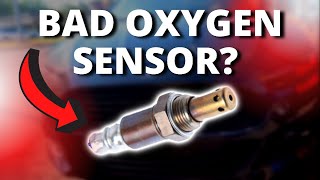
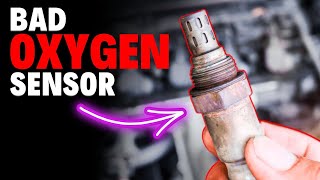
When an oxygen sensor starts to fail, your car's computer gets bad information, leading to noticeable problems. The symptoms often start small but can become serious. Driving for too long 🎬 Watch: 6 common symptoms of a failing oxygen sensor with a bad sensor can damage your expensive catalytic converter.
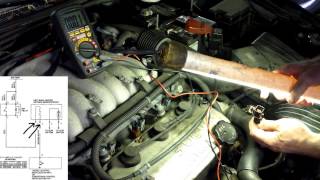
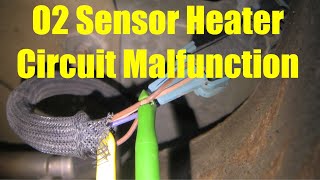
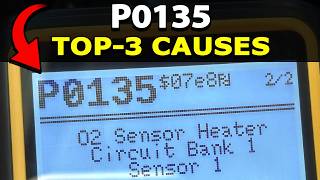
- Check Engine Light: This is the most common sign. Codes related to the O2 sensor heater circuit (P0135, P0141, P0155), high voltage (P0132, P0138, P0152), or slow response are frequent in Dodge Intrepids.
- Bad Gas Mileage: A faulty sensor can cause the engine to run rich, meaning it uses more fuel than necessary. This is one of the first things many drivers notice.
- Rough Idle and Misfires: Your Intrepid might idle unevenly, shake, or even stall. A bad O2 sensor reading can even trigger a multiple misfire code (P0300).
- Rotten Egg Smell: A strong sulfur or rotten egg smell from the exhaust indicates that unburned fuel is overheating in the catalytic converter, a direct result of a bad air-fuel mixture.
- Failed Emissions Test: An O2 sensor is a primary emissions control device. A failing one will almost certainly cause your vehicle to fail a smog check.
Choosing the Right Aftermarket Oxygen Sensor
Chrysler electronics from this era can be particular about the sensors they work with. While many brands are available, choosing one known for compatibility with your Intrepid's computer is key to avoiding repeat repairs. Based on owner experiences and mechanic recommendations, aftermarket brands fall into distinct tiers.
Tier 1: OEM Equivalents (Highly Recommended)
These brands are often the original equipment manufacturers for Mopar parts. They offer the best guarantee of compatibility and long life.
- Denso: Widely regarded as a top choice for Dodge vehicles. Many owners report that Denso sensors solve check engine light issues when other brands fail.
- NGK / NTK: NGK's sensor brand, NTK, is another OEM supplier for Chrysler and is highly recommended by Intrepid and other Dodge owners. You can't go wrong with NTK.
Pro Tip: Many forum users who tried other brands first ultimately solved their sensor issues by switching to Denso or NTK. Spending a little more on one of these brands can save you time and frustration.
Tier 2: Reputable Aftermarket (Use with Caution)
These are quality brands, but some owners have reported compatibility issues with Dodge vehicles.
- Bosch: While a huge name in auto parts, some Dodge owners have experienced problems with Bosch O2 sensors, such as different warm-up times that can cause cold-start issues or trigger codes. It might work perfectly, but there is a higher risk of issues compared to Denso or NTK.
- Delphi: A well-known OEM supplier, but less commonly discussed in Dodge forums for this specific part. It's a solid brand but lacks the overwhelming positive feedback that Denso and NTK have for this application.
Tier 3: Economy Brands
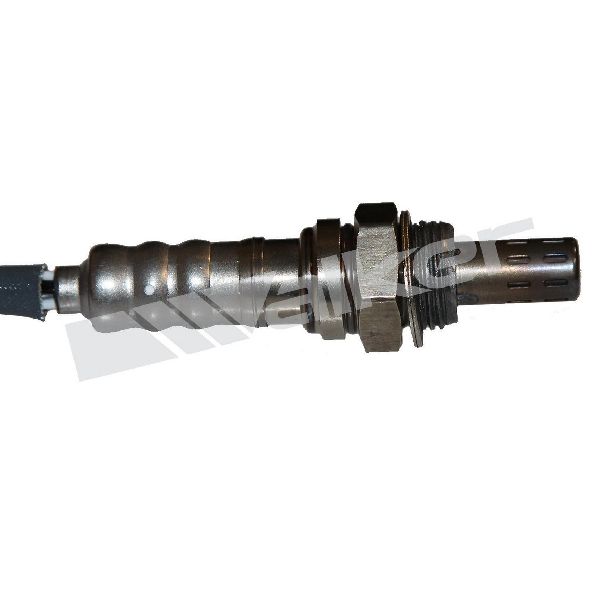
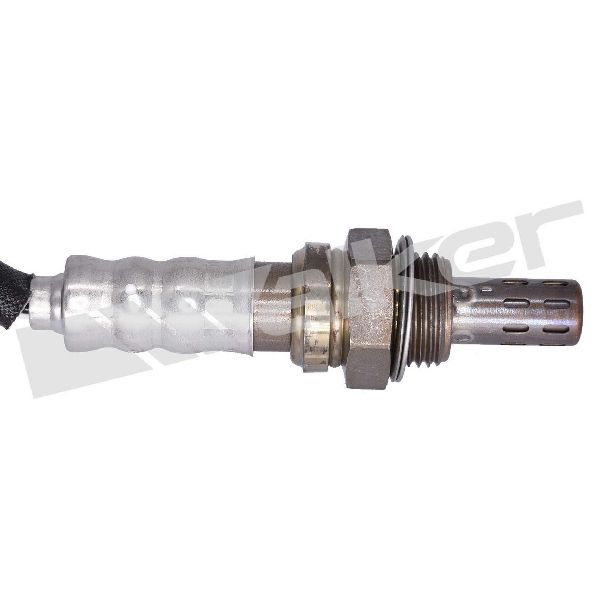
Brands like Walker Products, DriveWire, and Spectra offer a lower price point but are considered a gamble. They may work, but have a higher reported rate of being dead-on-arrival or failing prematurely.
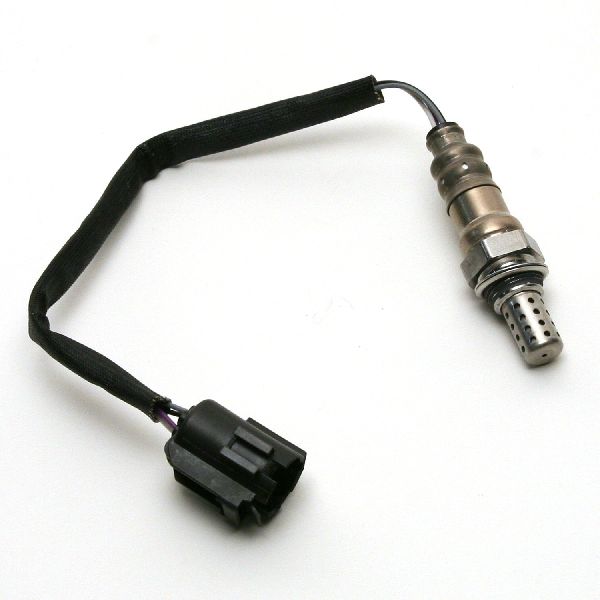
A Note on Universal Sensors: Universal O2 sensors require you to cut your old sensor's plug and splice it onto the new sensor. While cheaper, this introduces a potential point of failure. Given the finicky nature of the Intrepid's electronics, it is strongly recommended to buy a direct-fit sensor with the correct plug already attached.
Cost of Replacing a Dodge Intrepid Oxygen Sensor
| Part Type | Estimated Cost |
|---|---|
| New Aftermarket (Economy) | $25 - $50 |
| New Aftermarket (Denso, NGK) | $50 - $115 |
| New OEM (Mopar) | $150 - $200+ |
| Shop Labor (per sensor) | $60 - $120 |
Frequently Asked Questions
How many oxygen sensors does my 1993-2004 Intrepid have?
It depends on the year and engine. First-generation models (1993-1997) may have one or two. Second-generation models (1998-2004) are OBD-II compliant and typically have four sensors if equipped with a V6 engine: one upstream and one downstream for each cylinder bank. Bank 1 is on the driver's side of the engine bay.
What's the difference between upstream and downstream sensors?
Upstream sensors (also called Sensor 1) are located in the exhaust manifold before the catalytic converter. They are the primary sensors used to control the air-fuel mixture. Downstream sensors (Sensor 2) are located after the catalytic converter and their main job is to monitor the converter's efficiency.
Do I need a special tool to replace an O2 sensor?
Yes, it is highly recommended. A special O2 sensor socket, which is a deep socket with a cutout for the wire, makes the job much easier. Penetrating oil is also essential, as the sensors are often seized in the exhaust pipe due to rust and heat.
🎬 Watch: A step-by-step guide to replacing your oxygen sensorShould I replace all the oxygen sensors at once?
It is good practice, but not strictly required. O2 sensors age and degrade over time. If one has failed due to high mileage, the others are likely not far behind. Replacing them in pairs (both upstream or both downstream) or all at once can ensure balanced performance and prevent you from having to do the same job again in a few months.
Were there any recalls for the Intrepid oxygen sensor?
No. Searches of the National Highway Traffic Safety Administration (NHTSA) database did not find any safety recalls or technical service bulletins (TSBs) specifically related to the oxygen sensors on the 1993-2004 Dodge Intrepid.
Helpful Videos

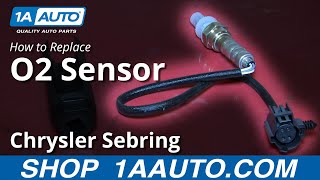
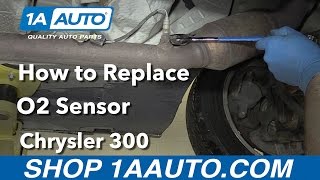
Technical Specifications
OEM Part Numbers: 4606133AD 4897247AA
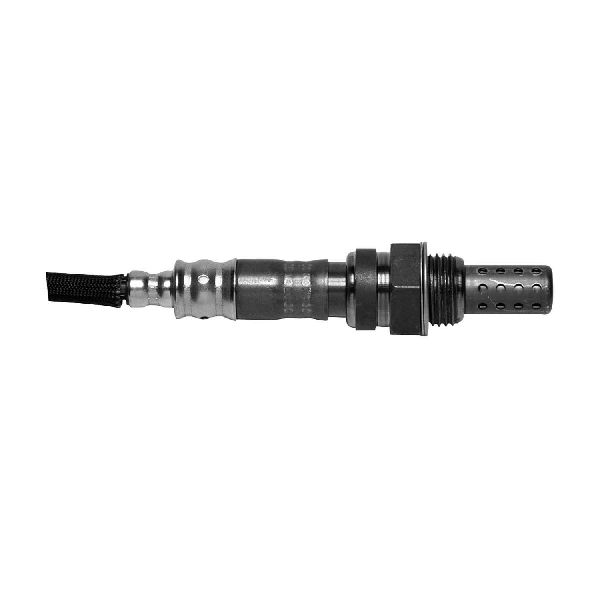
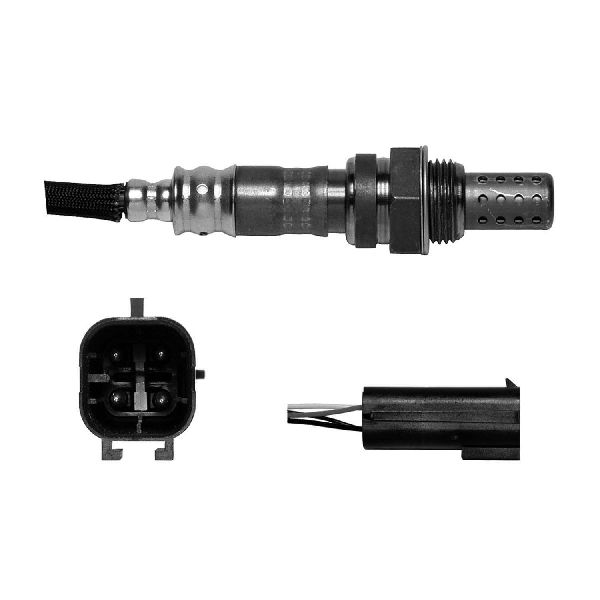
Varies by year and engine (2.7L, 3.2L, 3.3L, 3.5L). Second generation (1998-2004) models use up to four heated 4-wire sensors. Always verify part numbers for your specific vehicle's upstream/downstream and bank 1/bank 2 position.
We Have This Part in Stock

The information in this article is provided for general reference and educational purposes only. Vehicle specifications, procedures, and part compatibility can vary by production date, trim level, and region. Always consult your vehicle's factory service manual and verify part numbers before purchasing or performing repairs. Safety-critical components such as airbags, seat belts, and braking systems should be installed by a qualified professional.
- Dodge Intrepid:
- 🎬 Helpful Videos
- 🛍️ Shop This Part
- Signs of a Failing Oxygen Sensor in Your Intrepid
- Choosing the Right Aftermarket Oxygen Sensor
- Tier 1: OEM Equivalents (Highly Recommended)
- Tier 2: Reputable Aftermarket (Use with Caution)
- Tier 3: Economy Brands
- Cost of Replacing a Dodge Intrepid Oxygen Sensor
- Frequently Asked Questions
- 🎟️ Get 5% Off