

Dodge Intrepid Radiator: A Guide to Replacement (1993-2004)
Don't let a failing radiator take out your engine or transmission; here's what every Intrepid owner needs to know.
- The integrated transmission cooler can fail, mixing coolant and transmission fluid and destroying the transmission.
- Cracked plastic side tanks are the most common failure point leading to coolant leaks.
- Aftermarket brands like Denso and Spectra offer good quality and value compared to hard-to-find OEM parts.
- Properly bleeding air from the system after installation is critical to prevent overheating, especially on the 2.7L engine.
Is Your Intrepid's Radiator Failing?
A bad radiator can cause serious problems, from simple leaks to catastrophic engine damage. The most common failure on the 1993-2004 Dodge Intrepid is the radiator developing cracks in its plastic side tanks. These tanks become brittle over time from constant heating and cooling cycles. Watch for these clear signs of a failing radiator:
- Engine Overheating: The temperature gauge climbing into the red is the most obvious warning sign.
- Visible Coolant Leaks: You may see puddles of green or orange coolant under the front of your car, especially after it has been parked.
- Low Coolant Level: Frequently needing to top off your coolant reservoir indicates a leak somewhere in the system.
- White Steam from Engine Bay: Steam or a sweet smell of antifreeze means coolant is leaking onto hot engine parts.
- "Strawberry Milkshake" Fluid: If you check your transmission fluid and it looks pink, frothy, or milky, this is a critical sign your radiator has failed internally.
Known Issues: The Transmission Cooler Failure
The single most critical issue with the Dodge Intrepid radiator is the failure of the built-in automatic transmission fluid cooler. When the wall between the coolant and the transmission fluid breaks down inside the radiator, the two fluids mix. This creates a pink, milky substance often called the "strawberry milkshake of death." This contaminated fluid will quickly destroy the clutches and internal components of your automatic transmission, leading to a complete failure that costs thousands to repair. If you see this, do not drive the car. This issue makes choosing a quality replacement radiator extremely important.
Choosing the Right Aftermarket Radiator
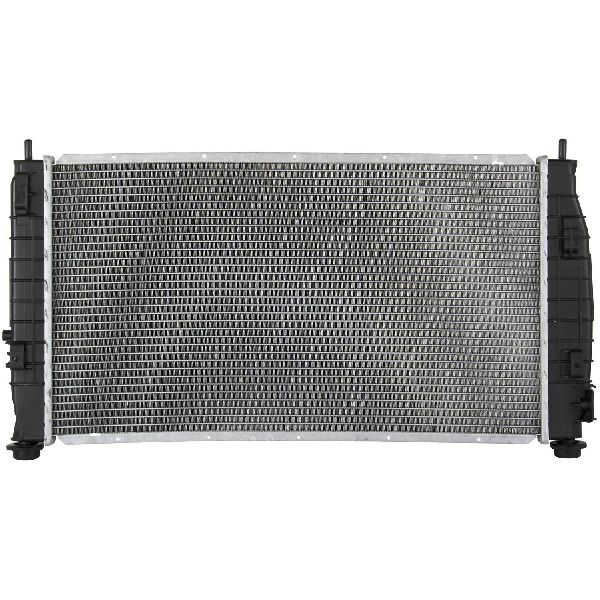
While you could search for an original Mopar radiator, they are often expensive and difficult to find new for a vehicle of this age. Modern aftermarket radiators offer excellent performance and value, often matching or exceeding original specifications. They are almost all built with an aluminum core and plastic tanks, just like the original.
Aftermarket Brand Tiers
Not all aftermarket brands are the same. They generally fall into a few quality and price tiers:
- Premium Brands (Denso, Koyorad): Denso is an original equipment manufacturer (OEM) for many car brands and has a reputation for high-quality parts that fit perfectly. Koyorad is another well-regarded brand known for excellent performance. These are great choices if you want the best possible replacement.
- Popular & Value Brands (Spectra, CSF, APDI): Spectra is a very common choice that provides a good balance of quality and affordability. Many owners and shops use them with good results. CSF and APDI are also established brands in this category, offering reliable, direct-fit replacements.
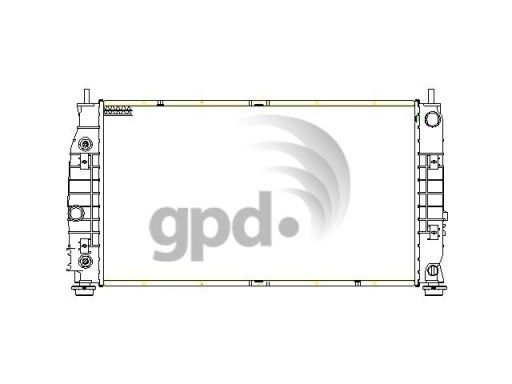
- Economy Brands (One Stop Solutions, Onix, Global Parts): These brands focus on providing the lowest possible price point. While they will fit and function, their long-term durability may not match that of the premium or value brands. They can be a viable option for a budget-focused repair.
Pro Tip: Bleed the System!
After installing your new radiator, you MUST properly bleed the air out of the cooling system. The Intrepid's engine is very sensitive to air pockets, which can cause overheating even with a new radiator. Use the air bleeder screw, typically located near the thermostat housing, to release trapped air as you refill the system with coolant. This is the most important step to ensure your new radiator works correctly.
Cost of Replacing a Dodge Intrepid Radiator
The total cost depends on whether you do the work yourself or hire a professional mechanic.
| Part/Service | Estimated Cost |
|---|---|
| New Aftermarket Radiator | $40 - $246 |
| Shop Labor | $210 - $310 |
| Total Professional Replacement | $250 - $556 |
Frequently Asked Questions
Is it hard to replace the radiator on a Dodge Intrepid yourself?
For a DIYer with some experience, it's a manageable job. It typically takes 2-4 hours. You'll need to drain the coolant, disconnect hoses, remove the cooling fans, and unbolt the radiator. On second-generation models (1998-2004), you may need to remove the front bumper support to get enough clearance. The most critical part of the job is bleeding the air out of the system afterward.
What type of coolant should I use in my Intrepid?
Using the correct coolant is vital. Check your owner's manual. Early models often used a green Inorganic Additive Technology (IAT) coolant. Later models switched to a Mopar G-05, a Hybrid Organic Additive Technology (HOAT) coolant, which is often orange or pink. Never mix different coolant types, as it can cause corrosion and create sludge in your cooling system.
Should I replace my radiator hoses at the same time?
Yes, it is highly recommended. The radiator hoses are made of rubber and degrade over time. Since you already have the system drained, replacing the upper and lower hoses is a cheap and easy way to prevent a future failure.
My Intrepid has the 2.7L V6. Is there anything special I should know?
Yes. The 2.7L V6 engine is famously sensitive to overheating. A coolant leak from the water pump is a known issue that can lead to catastrophic engine failure. Because of this, it is absolutely critical to keep the cooling system, especially the radiator, in perfect condition. Do not ignore any signs of leaks or overheating with this engine.
Technical Specifications
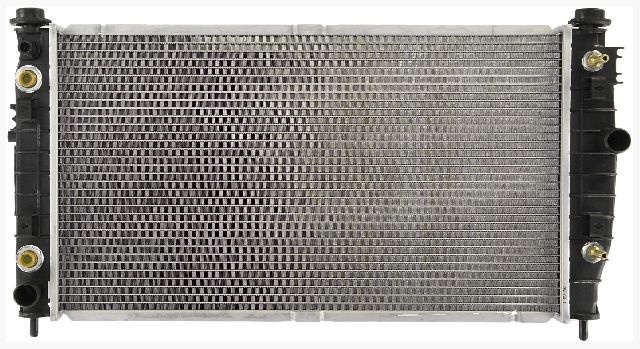
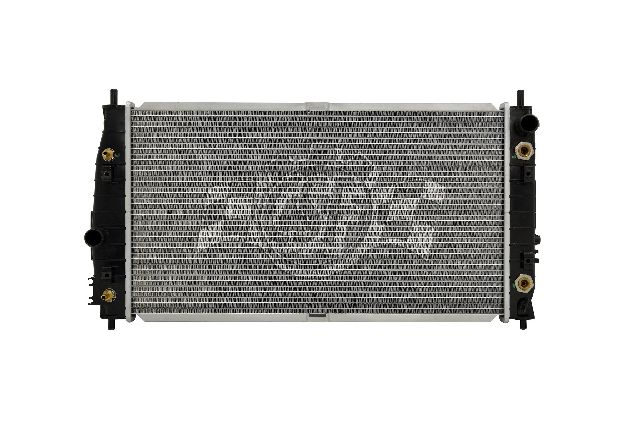
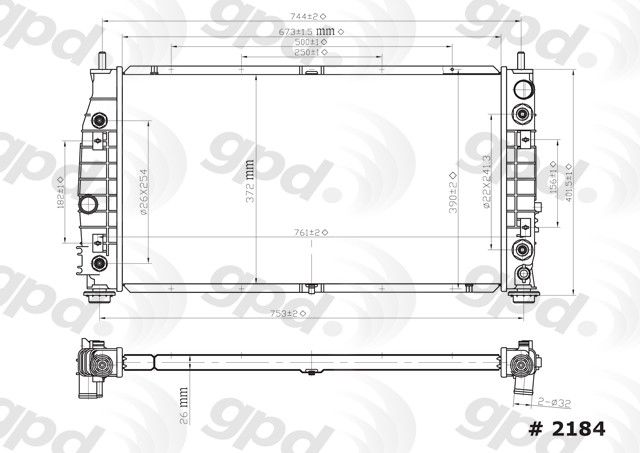
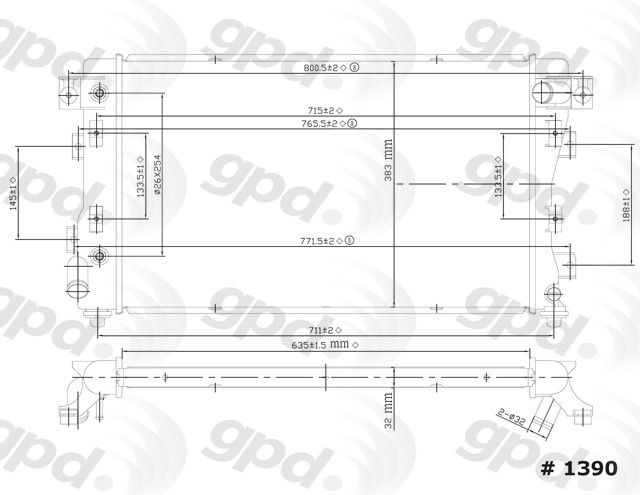
Core Material: Aluminum; Tank Material: Plastic. Common aftermarket part numbers include CU2184 (for 1998-2004 models) and CU1390 (for 1993-1997 models). Always verify fitment with your specific year and engine.
We Have This Part in Stock

The information in this article is provided for general reference and educational purposes only. Vehicle specifications, procedures, and part compatibility can vary by production date, trim level, and region. Always consult your vehicle's factory service manual and verify part numbers before purchasing or performing repairs. Safety-critical components such as airbags, seat belts, and braking systems should be installed by a qualified professional.
- Dodge Intrepid: