

Nissan Tsubame Engine Coolant Temperature Sensor Replacement Guide (1993-2004)
A failing coolant temp sensor can cause poor running and bad fuel economy; here’s how to choose the right replacement.
- A bad ECT sensor commonly causes poor fuel economy, rough idle, and a Check Engine Light.
- The Tsubame shares its platform with the Nissan Sentra B13; parts and repair information are interchangeable.
- This is a simple DIY replacement with a 19mm deep socket; be prepared to lose a small amount of coolant.
- For this critical sensor, choosing a top-tier aftermarket brand like NGK or a genuine Nissan part is recommended over budget options.
Is Your Tsubame Running Rough? It Could Be The Coolant Sensor.
The Nissan Tsubame, based on the reliable Nissan Sentra B13 platform, is a durable vehicle. However, like any car from this era, its electronic sensors can fail over time. The Engine Coolant Temperature (ECT) sensor is a small but vital part that can cause noticeable problems when it starts to go bad. A faulty sensor sends incorrect information to the engine's computer, leading to a range of issues from bad gas mileage to a no-start condition.
Symptoms of a Failing ECT Sensor
A bad ECT sensor can make your car's computer think the engine is cold when it's actually hot, or vice-versa. This confusion leads to several common symptoms:
- Poor Fuel Economy: If the sensor is stuck reading "cold," the computer will continuously dump extra fuel into the engine, causing your gas mileage to drop significantly.
- Check Engine Light: The ECU will often detect a problem with the sensor's signal and trigger a Check Engine Light. Common codes include P0115, P0116, P0117, or P0125.
- Rough Idle and Stalling: An incorrect fuel mixture can cause the engine to idle poorly, shake, or even stall, especially when it should be at operating temperature.
- Black Smoke from Exhaust: A rich fuel mixture caused by a bad sensor can result in unburnt fuel leaving through the exhaust, creating black smoke.
- Hard Starting: The engine may be difficult to start, particularly when it's warm, because the computer is providing the wrong fuel mixture for the conditions.
- Engine Overheating: In some cases, if the sensor fails to signal a hot condition, the electric cooling fans may not turn on when they are needed, leading to overheating.
No Specific Recalls or TSBs
Searches of the National Highway Traffic Safety Administration (NHTSA) database show no recalls or technical service bulletins (TSBs) specifically for the Engine Coolant Temperature Sensor on the equivalent 1993-1994 Nissan Sentra platform. Any issues you experience are likely due to normal part wear and aging.
Choosing the Right Aftermarket Sensor
While a genuine Nissan OEM part is always a safe bet, quality aftermarket sensors can offer good performance for a lower price. However, some Nissan owners report that these vehicles can be sensitive to aftermarket electronics. It's often wise to avoid the absolute cheapest options for critical sensors. The available brands can be grouped into tiers based on reputation and perceived quality.
Brand Quality Tiers
- Top Tier (OEM Equivalents): NGK (NTK) is a well-regarded Japanese brand that is an original equipment supplier for many automakers. Their sensors are known for matching OE fit and performance.
- Mid Tier (Reputable Aftermarket): Motorad and Standard Ignition (SMP) are established aftermarket brands that produce a wide range of parts. They generally offer a good balance of price and quality, and position themselves as meeting or exceeding OEM specs.
- Economy Tier (Budget-Focused): Brands like Four Seasons, URO Parts, and Vemo typically fall into the budget category. While URO Parts and Vemo are more common in the European car space, they offer parts for a wide range of vehicles. Forum discussions suggest Four Seasons is often a reboxed, lower-cost part. These can be a viable option if budget is the primary concern, but for a critical sensor like the ECT, spending a little more for a mid-tier brand is often recommended to ensure accuracy and longevity.
Pro Tip: Consider the Connector
On older vehicles like the Tsubame, the plastic connector and wiring for the sensor can become brittle and crack. When you replace the sensor, inspect the connector carefully. If it's damaged, it's a good idea to replace the connector pigtail at the same time to ensure a solid connection.
Cost of Replacing the ECT Sensor
This is a relatively inexpensive part to replace. The main cost difference is between aftermarket and OEM parts, and whether you do the work yourself or have a shop do it.
| Part/Service | Estimated Cost |
|---|---|
| New OEM Sensor | $31 - $43 |
| New Aftermarket Sensor | $10 - $60 |
| Shop Labor | $60 - $120 |
| DIY Total Cost (Aftermarket) | $10 - $60 |
| Shop Total Cost (Aftermarket) | $70 - $180 |
Frequently Asked Questions
Where is the ECT sensor located on the Nissan Tsubame?
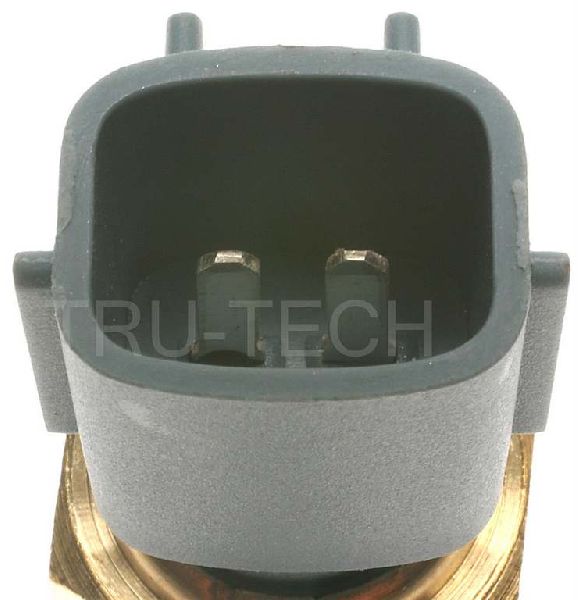
On the GA16DE engine used in the Tsubame and Sentra, the ECT sensor is typically located on or near the thermostat housing, on the side of the engine. It is often found just above the alternator. It will have a grey or black two-wire electrical connector.
Can I replace this sensor myself?
Yes, this is a very DIY-friendly job for most home mechanics. It requires basic hand tools, including a deep 19mm socket. The main challenge is that you will lose some coolant when you remove the old sensor. To minimize coolant loss, have the new sensor ready to install quickly. It's best to perform the replacement when the engine is completely cold to avoid burns and pressure buildup in the cooling system.
Do I need to drain the coolant to replace the ECT sensor?
You don't have to drain the entire system, but be prepared for coolant to spill out of the sensor port when you remove it. A faster method is to unscrew the old sensor and quickly thread the new one in. You will lose a small amount of coolant which you will need to top off afterward. For a cleaner job, you can partially drain the radiator so the coolant level is below the sensor.
Should I buy an OEM or Aftermarket sensor?
For a critical sensor on a Nissan, an OEM part (Part No. 22630-51E02) or a top-tier aftermarket brand like NGK/NTK is the safest choice to ensure accurate readings. While budget brands are available, the small price difference often makes the better part a worthwhile investment for peace of mind and to avoid potential drivability issues.
Technical Specifications
OEM Part Numbers: 22630-51E02 22630-51E00 22630-V5010 22630-51E10
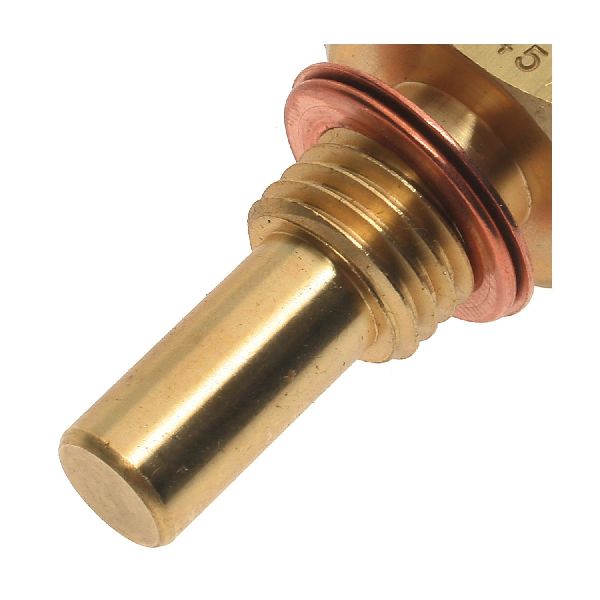
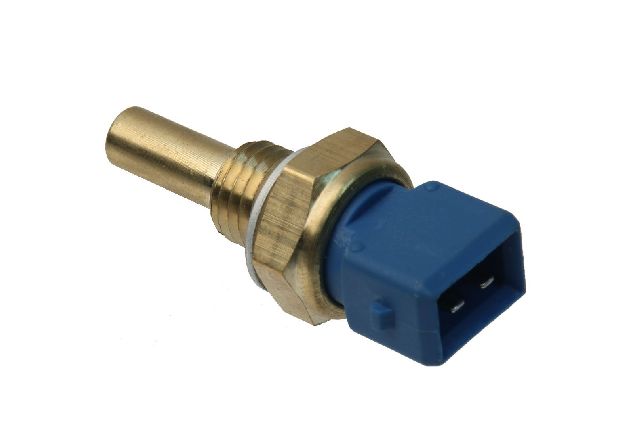
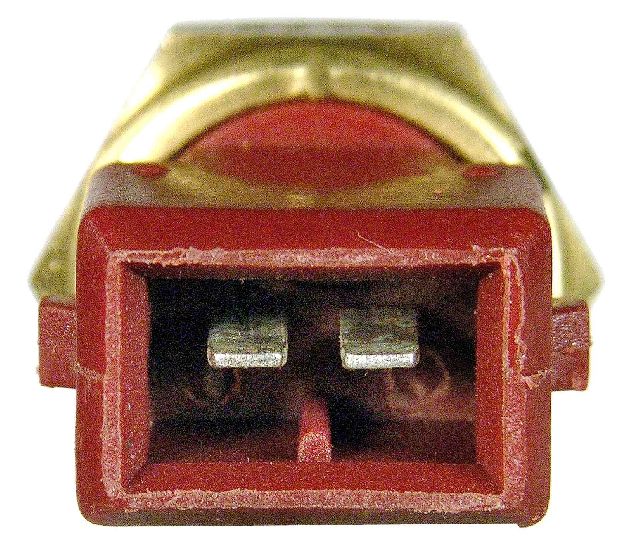
Two-pin connector, threaded brass body, typically requires a 19mm deep socket for removal/installation.
We Have This Part in Stock


The information in this article is provided for general reference and educational purposes only. Vehicle specifications, procedures, and part compatibility can vary by production date, trim level, and region. Always consult your vehicle's factory service manual and verify part numbers before purchasing or performing repairs. Safety-critical components such as airbags, seat belts, and braking systems should be installed by a qualified professional.
- Nissan Tsubame:
- 🛍️ Shop This Part
- Is Your Tsubame Running Rough? It Could Be The Coolant Sensor.
- Symptoms of a Failing ECT Sensor
- No Specific Recalls or TSBs
- Choosing the Right Aftermarket Sensor
- Brand Quality Tiers
- Pro Tip: Consider the Connector
- Cost of Replacing the ECT Sensor
- Frequently Asked Questions
- 🎟️ Get 5% Off