

Throttle Position Sensor Guide for 1993-2004 Toyota Camry
Experiencing hesitation or a rough idle? Your Camry's Throttle Position Sensor might be the culprit.
- A failing TPS on a 1993-2004 Camry will cause noticeable driving problems like hesitation, rough idle, and poor acceleration.
- Replacement is a simple DIY job that takes less than 30 minutes with basic tools.
- While budget aftermarket parts are available, using a premium brand like Delphi, Beck Arnley, or an OEM sensor is recommended for reliability.
- Before replacing, check the wiring connector for corrosion and consider cleaning the throttle body, as these can mimic TPS failure.
Is Your Camry's Throttle Position Sensor Failing?
A bad Throttle Position Sensor (TPS) can make your reliable Camry feel unpredictable. Because this sensor directly tells the engine computer how much you want to accelerate, a faulty one can cause a lot of confusing problems. You might notice one issue, or several at once. These symptoms often get worse over time.
Common Failure Symptoms
- Hesitation or Stumbling: The car might feel like it's bogging down or hesitating when you press the gas pedal.
- Rough or High Idle: The engine might idle much higher than normal, or the idle speed may bounce up and down.
- Poor Acceleration: You may feel a significant lack of power, and the car won't accelerate as quickly as it should.
- Jerking or Surging: The car might suddenly jerk or surge forward without you pressing the pedal harder.
- Transmission Shifting Problems: The automatic transmission might shift harshly or at the wrong times because it's getting bad information from the TPS.
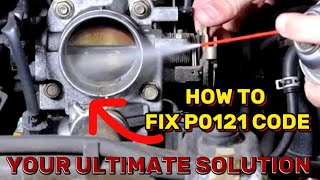
- Check Engine Light: A failing TPS will often trigger the Check Engine Light with codes like P0121, P0122, or P0123. 🎬 See how to diagnose and fix a P0121 trouble code.
Choosing the Right Aftermarket TPS
When replacing the TPS on your Camry, you have a choice between Genuine Toyota (OEM) parts and a wide range of aftermarket options. For a critical electronic sensor like this, quality matters.
- OEM (Original Equipment Manufacturer): A genuine Toyota or Aisan (the original supplier) part is the safest bet for perfect fit and function. However, they are the most expensive option. Some owners strongly recommend sticking with OEM for electronic parts to avoid future headaches.
- Premium Aftermarket (e.g., Delphi, Beck Arnley, Standard Ignition): These brands have a long-standing reputation for producing quality parts that often meet or exceed OEM specifications. They are a reliable choice that balances cost and quality, making them a popular option for many repairs.
- Standard/Economy Aftermarket (e.g., Walker Products, Replacement, True Tech): These brands offer a more budget-friendly price point. While they can be a good value, there is a higher risk of inconsistent quality or shorter lifespan compared to premium brands. For a sensor that is simple to replace, some owners may find the cost savings worthwhile, but be prepared for the possibility of needing to replace it again sooner.
Cost of a New Throttle Position Sensor (1993-2004 Camry)
The price for a new TPS can vary quite a bit depending on the brand and where you buy it. Labor costs are generally low because the part is easy to access and replace.
| Part Type | Estimated Cost |
|---|---|
| New Aftermarket Part | $28.93 - $106.22 |
| New OEM Part | $55 - $120+ |
| Shop Labor | $65 - $125 |
Frequently Asked Questions
Is it hard to replace the TPS on a 1993-2004 Camry?
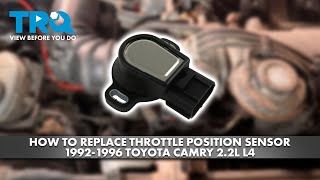
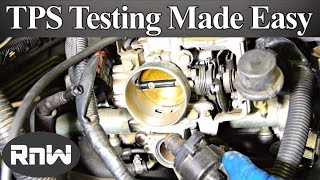
No, this is a very beginner-friendly job. The TPS is located on the side of the throttle body, held in place by two screws. You simply disconnect the battery, unplug the electrical connector, remove the two screws, and swap the sensor. The entire job can usually be done in under 30 minutes with basic hand tools like a screwdriver.
🎬 Watch this step-by-step guide to replacing the sensor yourself.Does a new TPS need to be calibrated?
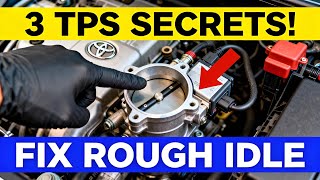
For this generation of Camry, the TPS is often adjustable. You can slightly rotate it before tightening the screws. While some aftermarket sensors work right out of the box, proper adjustment ensures the ECU gets the correct idle and full-throttle signals. A common DIY method is to mark the position of the old sensor before removing it and aligning the new one to the same mark. After installation, disconnecting the battery for a few minutes can help the ECU reset and relearn the new sensor's parameters.
🎬 Watch these quick secrets for resetting your Toyota's TPS.Are there any recalls for the Camry throttle sensor?
There were no specific recalls for the Throttle Position Sensor itself on the 1993-2004 Camry. There was a NHTSA preliminary investigation in 2004 into the throttle control system on 2002-2003 models, but this did not result in a recall for the TPS. Later recalls and customer support programs for unintended acceleration on newer models focused on electronic throttle control systems, pedal entrapment, or sticky pedals, which are different issues.
Can I use a TPS from a different year Camry?
It's risky. Part numbers can differ even if the sensor looks identical. Using the wrong sensor, even from a similar Camry, can cause performance issues because the internal electronics might have different voltage ranges. Always use a part that is specified for your exact year and engine (4-cylinder or V6).
Helpful Videos


Technical Specifications
OEM Part Numbers: 89452-33030 89452-33040 89452-12040 89452-30150 89452-35020 89452-06010 89452-33010
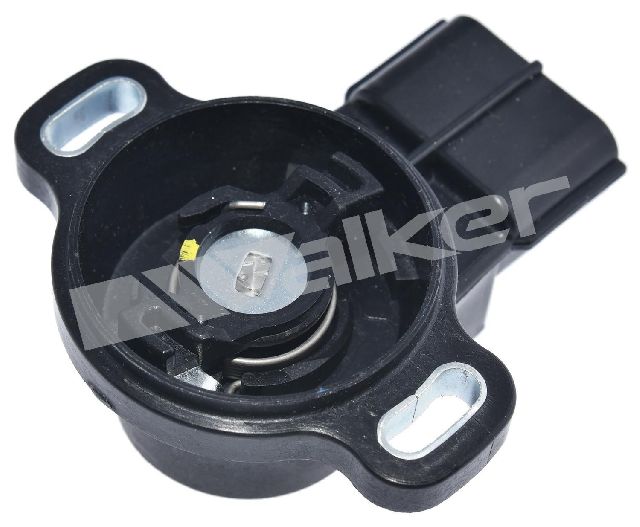
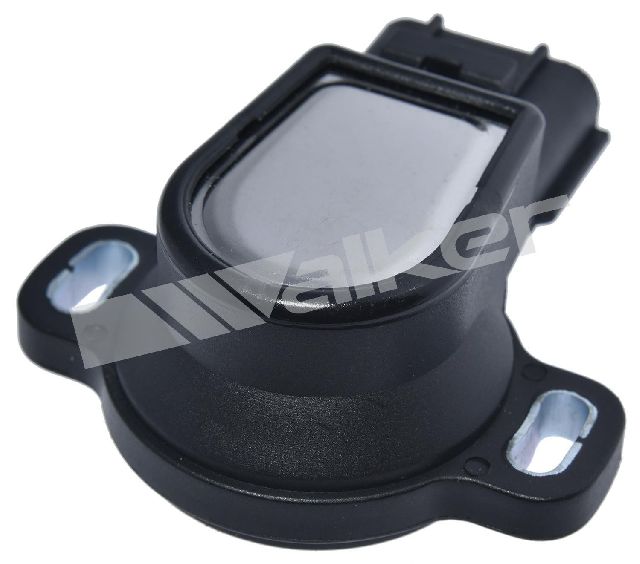
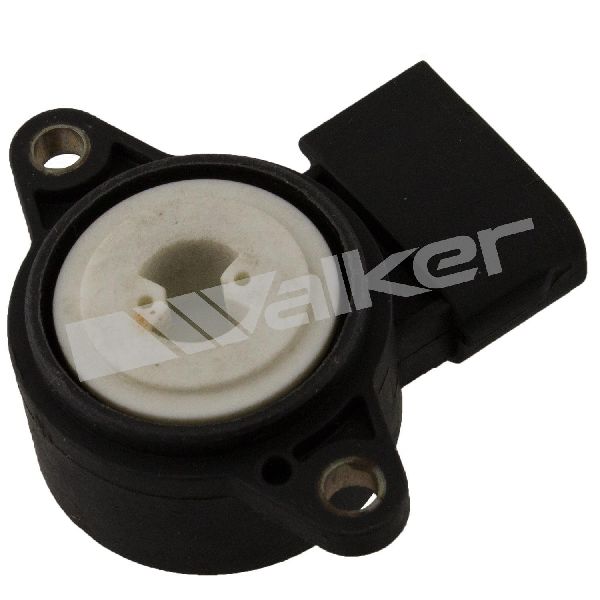
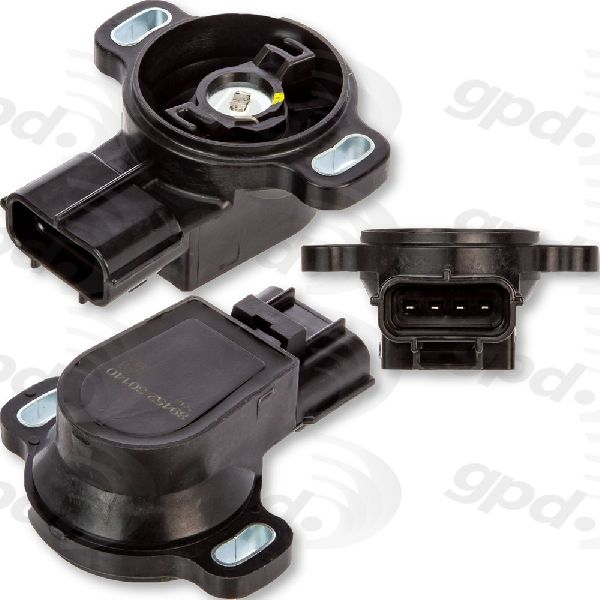
The Throttle Position Sensor for the 1993-2004 Toyota Camry is a three-pin potentiometer-style sensor mounted to the throttle body. It translates the rotation of the throttle blade into a variable voltage signal (typically 0.5V at closed throttle to 4.5V at wide-open throttle) for the ECU. The mounting holes are often slotted to allow for slight rotational adjustment for calibration.
We Have This Part in Stock


The information in this article is provided for general reference and educational purposes only. Vehicle specifications, procedures, and part compatibility can vary by production date, trim level, and region. Always consult your vehicle's factory service manual and verify part numbers before purchasing or performing repairs. Safety-critical components such as airbags, seat belts, and braking systems should be installed by a qualified professional.
- Toyota Camry: