

Jeep Grand Cherokee 1993-2005 Engine Intake Manifold Temperature Sensor Guide
Understand why this small sensor is crucial for your Grand Cherokee's engine performance and fuel economy.
- A failing IAT sensor can cause poor fuel economy, rough idle, hard starting, and a Check Engine Light.
- On 4.0L engines, the sensor's location in the intake manifold makes it prone to oil contamination, which mimics sensor failure.
- Replacement is very easy, typically taking less than 15 minutes with basic tools.
- Quality aftermarket brands like Standard Ignition are a reliable and cost-effective alternative to more expensive OEM Mopar parts for this sensor.
Understanding the Intake Air Temperature Sensor in Your Grand Cherokee
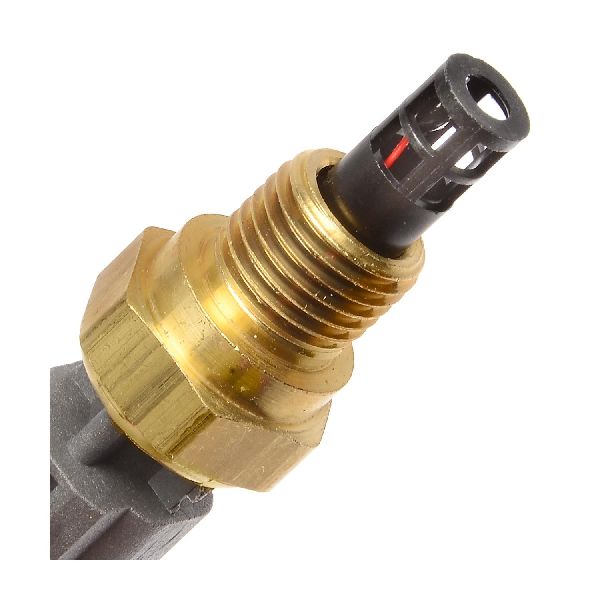
The Intake Air Temperature (IAT) sensor is a small but vital component for the 4.0L, 4.7L, 5.2L, and 5.9L engines found in the 1993-2005 Jeep Grand Cherokee (ZJ and WJ generations). This sensor acts like a thermometer for the air your engine breathes. It tells the engine's computer how hot or cold the incoming air is. This information is used to make constant adjustments to the fuel mixture and ignition timing to keep your Jeep running smoothly and efficiently. A failing sensor can lead to a range of noticeable engine problems.
Symptoms of a Failing IAT Sensor
When your IAT sensor starts to fail, it sends incorrect temperature readings to the engine computer. This can trick the computer into thinking the air is much colder or warmer than it actually is, leading to poor engine performance. Common symptoms include:
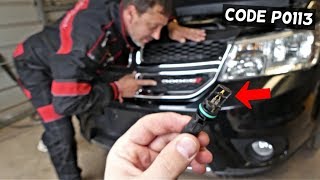
- Check Engine Light: A faulty IAT sensor will often trigger a Check Engine Light and store diagnostic trouble codes like P0112 (Circuit Low) or P0113 (Circuit High). 🎬 Watch this video to troubleshoot the P0113 circuit high code.
- Poor Fuel Economy: If the sensor incorrectly reads cold air, the computer will inject too much fuel, causing the engine to run rich and waste gas.
- Rough Idling or Stalling: An incorrect air-fuel mixture can cause the engine to idle unevenly or even stall, especially when the engine is warming up.
- Hard Starting: If the sensor is sending a bad signal, the computer may deliver the wrong amount of fuel for starting, making the engine difficult to turn over.
- Hesitation and Poor Acceleration: The engine may feel sluggish or hesitate when you press the gas pedal because the computer is confused by the faulty sensor data.
A Known Issue: Sensor Location and Contamination
On many Jeep 4.0L engines, the IAT sensor is located directly in the intake manifold. Due to its proximity to the crankcase ventilation (CCV) system, oil fumes can coat the sensor over time. This contamination insulates the sensor, preventing it from reading the air temperature accurately and causing many of the symptoms of a failed sensor even if the sensor itself isn't broken. Cleaning the sensor tip may sometimes restore function, but replacement is often the best long-term solution.
Choosing the Right Aftermarket IAT Sensor
For a vehicle like the 1993-2005 Grand Cherokee, both OEM (Mopar) and aftermarket sensors are viable options. The technology is not overly complex, and quality aftermarket brands provide reliable performance that often meets or exceeds original specifications.
- OEM Mopar: Mopar is the original equipment manufacturer. These parts are a guaranteed fit and offer reliable, long-term performance, but they come at a higher price point.
- Aftermarket - Premium Brands (Standard Ignition): Standard Motor Products (Standard Ignition) is a well-regarded aftermarket manufacturer with a long history. They produce high-quality sensors that are factory tested and designed as direct-fit replacements. Forum users often report good experiences with Standard brand sensors, considering them a reliable alternative to OEM.
- Aftermarket - Standard Brands (True Tech): Information on "True Tech" as a parts manufacturer is limited; search results primarily point to repair shops with this name. When considering a lesser-known or store brand, focus on warranty, return policy, and whether it meets OE specifications.
Pro Tip: Given the low cost and simple nature of this part, a quality aftermarket sensor from a reputable brand like Standard Ignition is a cost-effective choice for most owners. The performance difference between a new aftermarket sensor and an OEM one is likely to be negligible for this specific part.
Estimated Cost for Replacement
| Part Type | Estimated Cost |
|---|---|
| New OEM (Mopar) | $40 - $60 |
| New Aftermarket (Your Range) | $22.32 - $47.35 |
| Shop Labor | $30 - $70 |
Frequently Asked Questions (FAQ)
Where is the IAT sensor located on my Grand Cherokee?
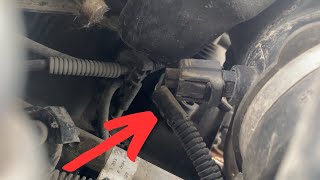
The location varies slightly by engine. On the 4.0L I6 engine, it is typically screwed into the top of the intake manifold, near the rear. On V8 models like the 4.7L, it is often found on the side of the intake manifold, near the throttle body, and may be a twist-in style sensor. For 2005 models with the 3.7L V6, it's located at the back of the air intake hose.
🎬 Watch: 2005 Grand Cherokee 3.7L sensor location and replacement guide.Is this a difficult part to replace myself?
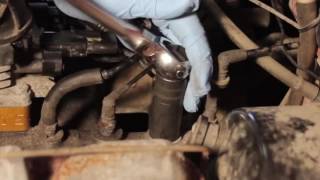
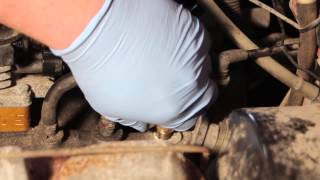
No, this is a very easy DIY job. The replacement typically involves unplugging the electrical connector, unscrewing or untwisting the old sensor, and installing the new one. The entire process usually takes less than 15 minutes and requires only basic hand tools 🎬 See this replacement walkthrough for 1999-2004 Grand Cherokee models. like a wrench or screwdriver.
Are there any recalls for this part?
A search of the National Highway Traffic Safety Administration (NHTSA) database did not reveal any specific recalls for the Intake Air Temperature sensor on 1993-2005 Jeep Grand Cherokee models. Recalls found were for later model years or different components.
Should I buy an OEM Mopar sensor or is aftermarket okay?
For this part, a quality aftermarket sensor is a perfectly acceptable and budget-friendly choice. Brands like Standard Ignition have a strong reputation. Since the sensor is a simple thermistor, the main difference is often price and warranty rather than a significant performance gap.
What is the difference between an IAT, MAT, and ACT sensor?
These are different names for the same part. IAT (Intake Air Temperature), MAT (Manifold Air Temperature), and ACT (Air Charge Temperature) all refer to the sensor that measures the temperature of the air entering the engine. The name used can vary by manufacturer, but the function is identical.
Helpful Videos

Technical Specifications
OEM Part Numbers: 56027872
Typically a 2-terminal, screw-in or twist-in style thermistor sensor.
We Have This Part in Stock


The information in this article is provided for general reference and educational purposes only. Vehicle specifications, procedures, and part compatibility can vary by production date, trim level, and region. Always consult your vehicle's factory service manual and verify part numbers before purchasing or performing repairs. Safety-critical components such as airbags, seat belts, and braking systems should be installed by a qualified professional.
- Jeep Grand Cherokee:
- 🎬 Helpful Videos
- 🛍️ Shop This Part
- Understanding the Intake Air Temperature Sensor in Your Grand Cherokee
- Symptoms of a Failing IAT Sensor
- A Known Issue: Sensor Location and Contamination
- Choosing the Right Aftermarket IAT Sensor
- Estimated Cost for Replacement
- Frequently Asked Questions (FAQ)
- 🎟️ Get 5% Off