

Lexus GS300 (1993-2007) Vehicle Speed Sensor Guide
Experiencing erratic shifting or a dead speedometer? The Vehicle Speed Sensor is the likely cause.
- Severe transmission shifting problems are a primary symptom of a bad VSS, not necessarily a failed transmission.
- A P0500 diagnostic code is the most common indicator of a VSS failure.
- Replacement is simple, requiring basic tools, and is considered a highly feasible DIY job.
- Always confirm the part's fitment for your exact model year, as sensors can differ between generations (1993-1997, 1998-2005, 2006).
Is a Bad Vehicle Speed Sensor Causing Your GS300's Transmission Problems?
If your Lexus GS300 has developed harsh shifting, a dead speedometer, or won't shift into overdrive, your first thought might be a major transmission failure. However, these are classic symptoms of a failed Vehicle Speed Sensor (VSS). This small, inexpensive sensor is often the true culprit, sending incorrect or no speed information to the car's computer, which in turn causes significant drivability issues. Replacing it is a straightforward repair that can save you from a costly and unnecessary trip to a transmission shop.
Symptoms of a Failing Vehicle Speed Sensor
- Erratic or Inoperable Speedometer: The needle may bounce randomly, show the wrong speed, or not move at all.
- Harsh or Incorrect Shifting: The transmission may slam into gear, hesitate between shifts, or refuse to shift into the highest gear (overdrive).
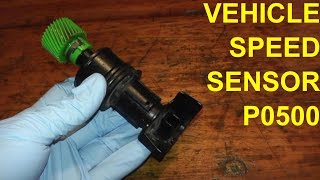
- Check Engine Light: A VSS failure will almost always trigger the check engine light with the code P0500.
- Cruise Control Not Working: The system will not engage or will shut off unexpectedly.
- VSC / ABS / TRAC Lights: In some cases, warning lights for the Vehicle Stability Control, Anti-lock Brakes, or Traction Control may illuminate.
Choosing the Right Aftermarket VSS Brand
While a Lexus dealership can provide an Original Equipment (OEM) sensor, a quality aftermarket part offers significant savings and is a reliable choice for this repair. Aftermarket sensors are available in different quality tiers.
- Premium Aftermarket (e.g., Delphi, Standard Ignition, Hella): These brands are known for producing parts that meet or exceed OEM specifications. They are a dependable choice for owners who want long-term reliability that is closest to the original part without the dealership price.
- Standard Aftermarket (e.g., Walker Products, Holstein, Facet): These brands provide a great balance of quality and value. They are a popular choice for DIY repairs and offer a dependable solution at a moderate price point.
- Economy Brands (e.g., Vemo, Global Parts): These are the most budget-friendly options. While they can get your vehicle back on the road, their long-term durability and the precision of their signal may not match that of premium brands.
A Note on Model Years
The 1993-2007 GS300 spans three different vehicle generations. The 2006 model, in particular, is part of the 3rd generation and may use a different sensor than earlier years. Always verify the part fits your specific year, make, and model before purchasing.
Cost of Replacing a Lexus GS300 Vehicle Speed Sensor
| Part Type | Estimated Cost |
|---|---|
| New Aftermarket Part | $29 - $74 |
| New OEM Part | $160 - $240 |
| Shop Labor | $88 - $129 |
| Total Professional Replacement (Aftermarket) | $117 - $203 |
| Total Professional Replacement (OEM) | $248 - $369 |
Frequently Asked Questions
Where is the Vehicle Speed Sensor located on the GS300?
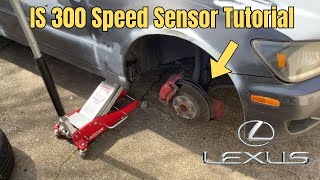
The main vehicle speed sensor is located on the exterior of the automatic transmission housing. It is typically held in place by a single bolt and has an electrical connector attached, making it accessible from underneath the vehicle.
🎬 Watch this step-by-step guide to replacing the speed sensorCan a bad speed sensor really cause my transmission to shift poorly?
Yes, absolutely. The transmission control module relies heavily on the VSS signal to time gear shifts correctly. Without an accurate speed reading, the computer gets confused, leading to harsh shifts, hesitation, or getting stuck in one gear.
🎬 See how a bad sensor causes erratic shifting and speedometer failureIs it safe to drive with a bad Vehicle Speed Sensor?
You can drive for short distances, but it is not recommended for long. The unpredictable shifting can be jarring and potentially unsafe in traffic. Additionally, your speedometer and odometer will be inaccurate, and safety systems like ABS and VSC may be disabled.
How do I know if the problem is the sensor or something more serious?
The best way is to use an OBD-II scanner. If the scanner shows a P0500 trouble code, it points directly to the VSS circuit. A mechanic can also view live data from the sensor to see if it's sending a signal. If the speedometer is dead but the scanner shows a speed reading, the problem may be in the instrument cluster itself.
Helpful Videos
Technical Specifications
OEM Part Numbers: 89413-24010 89411-50010 89413-32010 89413-0C010
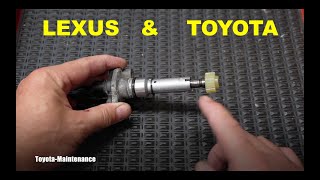
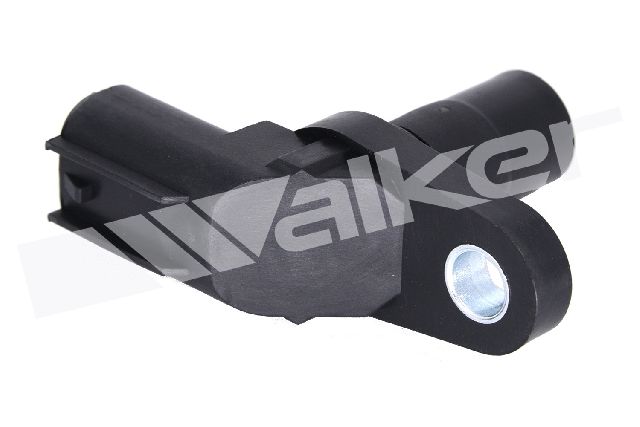
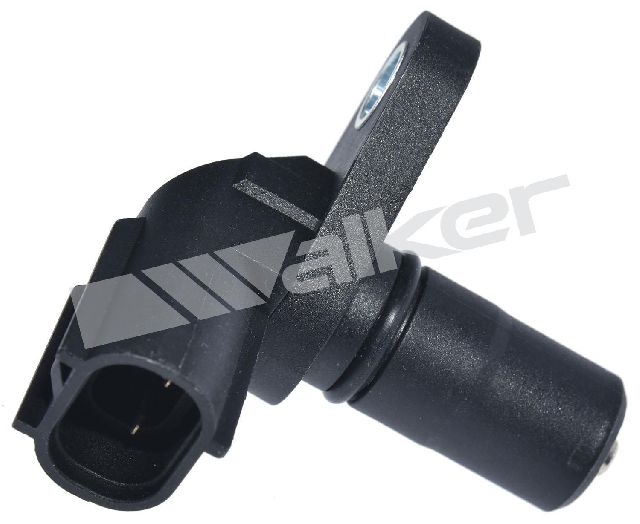
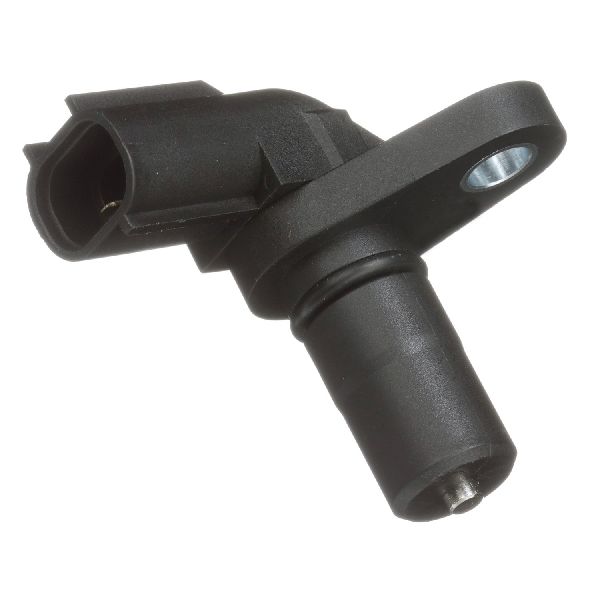
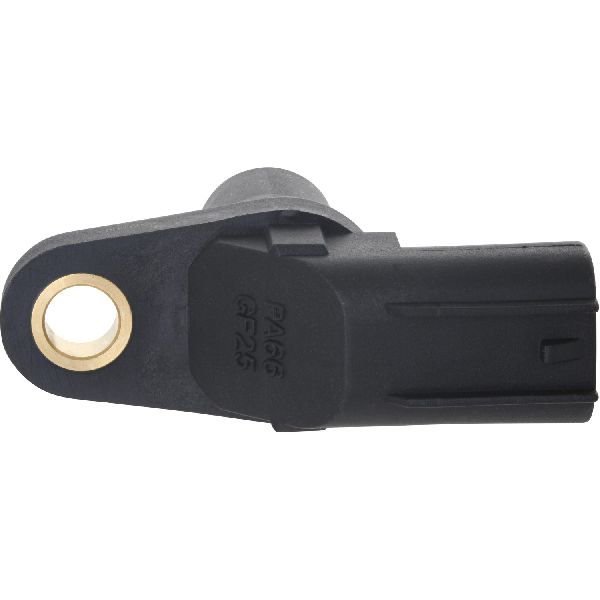
The Vehicle Speed Sensor on the Lexus GS300 is typically a 2-pin inductive sensor that mounts to the transmission housing with a single bolt. It generates a signal based on the rotation of an internal transmission component.
We Have This Part in Stock


The information in this article is provided for general reference and educational purposes only. Vehicle specifications, procedures, and part compatibility can vary by production date, trim level, and region. Always consult your vehicle's factory service manual and verify part numbers before purchasing or performing repairs. Safety-critical components such as airbags, seat belts, and braking systems should be installed by a qualified professional.
- Lexus GS300:
- 🎬 Helpful Videos
- 🛍️ Shop This Part
- Is a Bad Vehicle Speed Sensor Causing Your GS300's Transmission Problems?
- Symptoms of a Failing Vehicle Speed Sensor
- Choosing the Right Aftermarket VSS Brand
- A Note on Model Years
- Cost of Replacing a Lexus GS300 Vehicle Speed Sensor
- Frequently Asked Questions
- 🎟️ Get 5% Off