

Volkswagen Jetta 1993-2007 Engine Camshaft Position Sensor: A Complete Guide
Is your Jetta running rough, stalling, or refusing to start? Your camshaft position sensor might be the culprit.
- You MUST identify your Jetta's specific engine before buying a sensor, as the part and replacement difficulty vary greatly.
- For 1.8T and 2.0L engines, the sensor is behind the timing belt, making replacement a difficult, expert-level job.
- If replacement is difficult, spend the extra money on a premium brand like Bosch or Hella to avoid repeating the costly labor.
- A P0016 code after replacement indicates a timing error was likely made during the installation.
Symptoms of a Failing Camshaft Sensor in a VW Jetta
When a camshaft position sensor starts to fail, it gives the engine's computer bad information. This can cause a range of problems. The most common sign is the check engine light coming on. You may also experience rough idling, where the car shakes or vibrates at a stop. Other serious symptoms include the engine stalling unexpectedly, difficulty starting the car, or the engine cranking but not starting at all. You might also notice a clear loss of power during acceleration and worse gas mileage because the engine's timing is off.
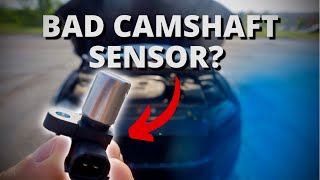
🎬 Watch: A visual guide to symptoms of a bad sensor.Not All Jettas Are Created Equal: Replacement Difficulty
Replacing the camshaft sensor on a 1993-2007 Jetta can be either very easy or very difficult. It all depends on your engine.
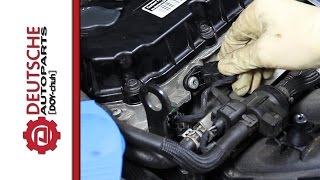
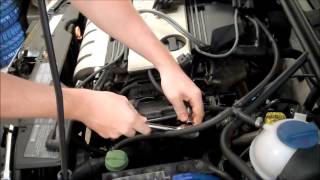
- Easy (1 out of 5 difficulty): On engines like the 2.5L 5-cylinder found in early MK5 Jettas, the sensor is often on top of the engine, held in by a single bolt. Replacement can take less than an hour with basic tools. 🎬 See this walkthrough for replacing the sensor on 2.5L engines. The VR6 engine is also relatively straightforward. 🎬 Watch: How to replace a VR6 camshaft sensor in minutes.
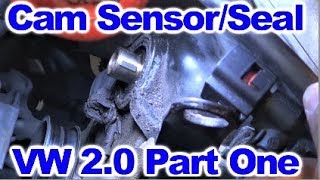
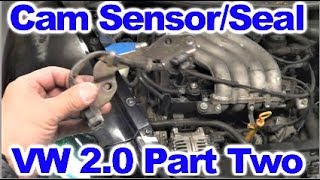
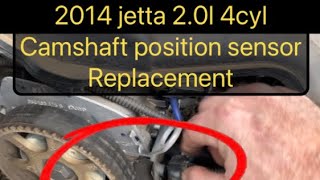
- Difficult (4 out of 5 difficulty): On many popular engines like the 2.0L ('2.slow') and 1.8T, the sensor is located behind the timing belt cover and the camshaft pulley. To replace it, the timing belt must be removed. This is a much more complex and time-consuming job that should only be done by an experienced DIYer or a professional mechanic. Getting the timing wrong during reassembly can cause severe engine damage.
Choosing the Right Aftermarket Sensor Brand
For a critical sensor like this, brand quality matters, especially if the labor to replace it is high. Cheaper sensors have been known to fail early or have incorrect specifications, meaning you'll be doing the job all over again.
- Premium Brands (OEM Quality): Bosch, Hella, and Delphi are often the original equipment manufacturers for Volkswagen. Choosing one of these brands is the safest bet for fit, performance, and longevity. They are the recommended choice if your engine requires the difficult, timing-belt-off replacement.
- Quality Aftermarket Brands: Brands like Standard Ignition (SMP), NGK, and Walker Products generally have a good reputation and offer a solid balance of price and quality. They are a good option for engines where the sensor is easy to access.
- Economy Brands: Brands like URO Parts and other low-cost options can be a gamble. While some owners report success with very cheap parts, many forum discussions are filled with stories of these sensors failing quickly. The low part cost is not worth the risk if you have to pay for expensive labor a second time.
Jetta Camshaft Sensor Cost
| Part/Service | Estimated Cost |
|---|---|
| New Aftermarket Sensor | $21 - $166 |
| New OEM Sensor | $80 - $200 |
| Shop Labor Cost | $120 - $450+ |
Note: Labor costs vary dramatically based on which engine you have. The lower end is for easily accessible sensors, while the higher end is for sensors that require timing belt removal.
Frequently Asked Questions
Where is the camshaft position sensor located on my Jetta?
It depends on your engine. On VR6 engines, it's on the side of the cylinder head. On 2.5L engines, it's often on top near the valve cover. On 2.0L and 1.8T engines, it is usually hidden behind the timing belt cover on the front of the engine. Always verify the location for your specific engine before starting.
Can I drive with a bad camshaft position sensor?
It is not recommended. The engine could stall at any time, which is dangerous in traffic. You could also be left stranded if the engine fails to restart. Driving with a bad sensor can also lead to poor fuel economy and potentially damage other components like the catalytic converter over time.
Why did my mechanic quote such high labor costs?
If you have a 1.8T or 2.0L engine, it's because the sensor is behind the timing belt. This turns a simple sensor swap into a major service that takes several hours.
Should I just buy the cheapest sensor available?
For this specific part, it is generally not a good idea. Critical engine sensors from budget brands are known to have higher failure rates. If the labor for your car is easy, it's a small risk. If the labor is difficult and expensive, paying more for a quality brand like Bosch or Hella is a smart investment to avoid doing the job twice.
I replaced the sensor, but a new code (P0016) appeared. What happened?
The code P0016 indicates a correlation error between the camshaft and crankshaft sensors. On engines where the timing belt was removed for the job, this almost always means the engine timing is off by one or more teeth. The car may run, but it will start hard and have the check engine light on. This is a serious issue that needs to be corrected immediately by a professional.
Helpful Videos
Technical Specifications
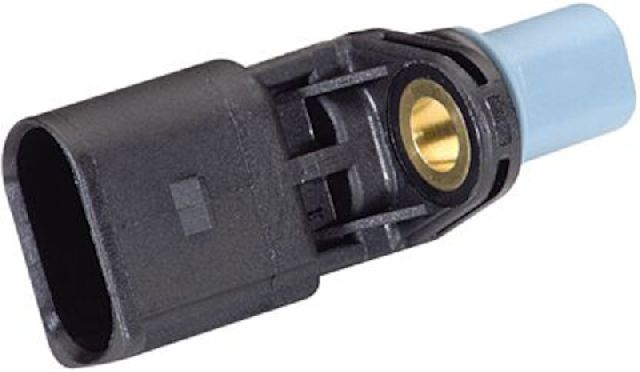
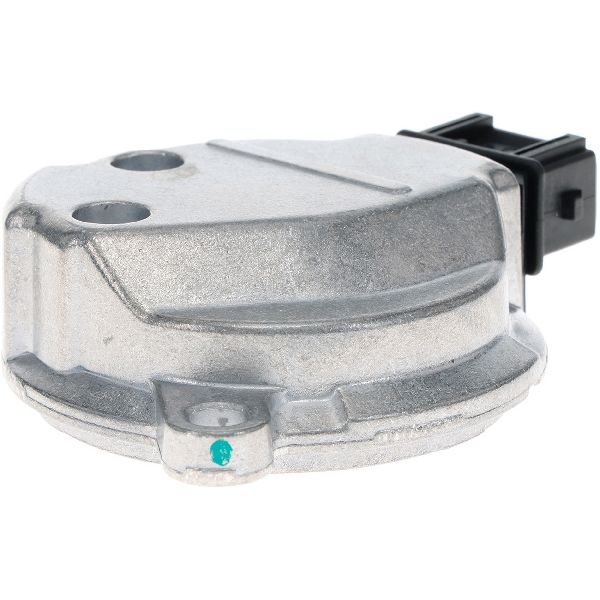
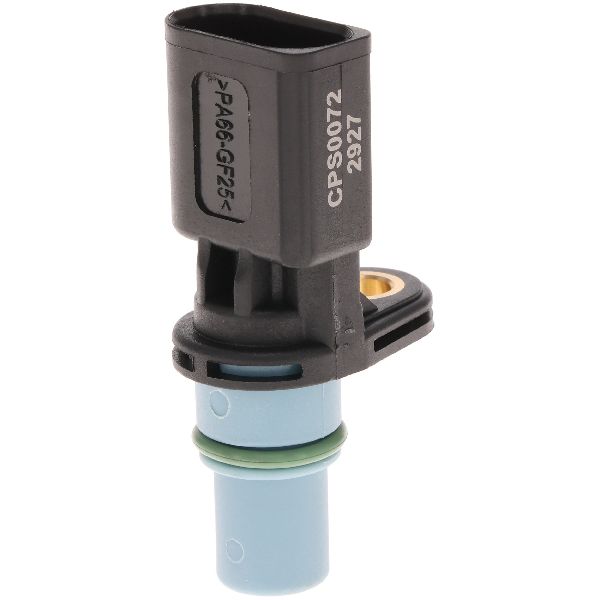
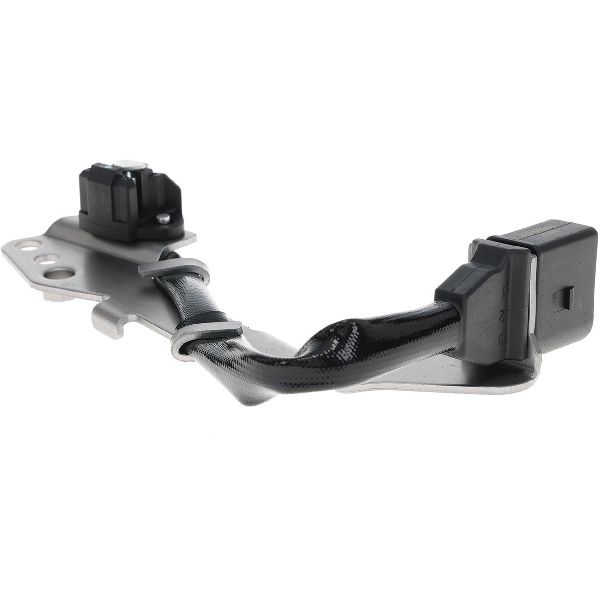
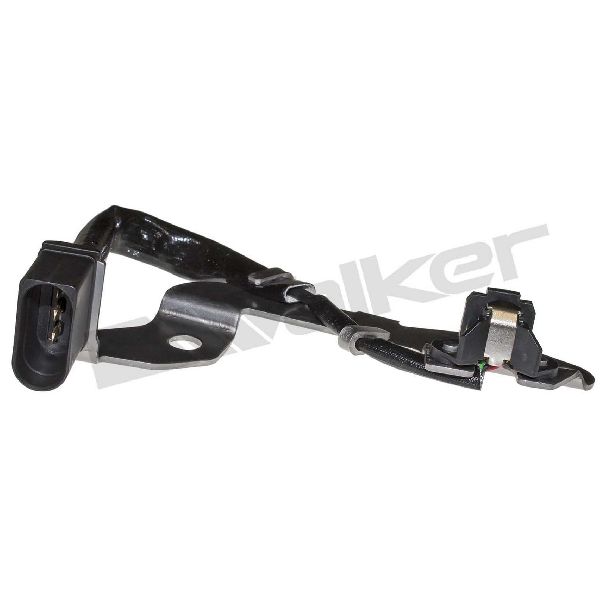
This is a Hall Effect sensor that reads the rotation of the camshaft. The physical shape and connector vary significantly by engine type (e.g., 2.0L, 1.8T, VR6, 2.5L). Always verify the part using your vehicle's VIN or specific engine code.
We Have This Part in Stock


The information in this article is provided for general reference and educational purposes only. Vehicle specifications, procedures, and part compatibility can vary by production date, trim level, and region. Always consult your vehicle's factory service manual and verify part numbers before purchasing or performing repairs. Safety-critical components such as airbags, seat belts, and braking systems should be installed by a qualified professional.
- Volkswagen Jetta: