

Volkswagen Golf Accessory Drive Belt Tensioner Guide (1993-2008)
Is your Golf making a squealing or rattling noise? It might be time for a new belt tensioner.
- Noises like squealing, grinding, or rattling are the most common signs of a failing tensioner.
- For TDI engines, a chattering tensioner is often caused by a bad alternator pulley, not the tensioner itself.
- For best results, choose an OEM-quality brand like INA, Gates, or Continental and replace the serpentine belt at the same time.
- This is a DIY-friendly repair for most owners, typically taking about one to two hours with basic tools.
Is Your VW Golf's Belt Tensioner Failing?
A failing accessory belt tensioner is a common issue on Volkswagen Golf models from the Mk3, Mk4, and Mk5 generations. The internal spring can weaken, or the pulley bearing can wear out. When this happens, it can no longer keep the serpentine belt tight. This can cause annoying noises and lead to bigger problems if not fixed.
Common Symptoms of a Bad Tensioner
- Noises from the Engine Bay: The most common sign is noise. You might hear squealing when you first start the car, especially on cold mornings. A grinding or humming noise often points to a bad bearing inside the tensioner's pulley. You may also hear a rattling or chattering sound.
- Belt Flutter: Open the hood with the engine running. If you see the serpentine belt or the tensioner pulley shaking or vibrating wildly, the tensioner is likely weak.
- Uneven Belt Wear: A bad tensioner can cause the edges of the serpentine belt to fray or wear out quickly.
- Accessory Problems: If the belt becomes loose enough, it can affect the parts it powers. You might notice dimming headlights (alternator issue), stiff steering (power steering issue), or the A/C not blowing cold. If the belt breaks, the car will lose power steering and the battery will stop charging, leaving you stranded.
Known Issue: TDI Engines and Alternator Pulleys
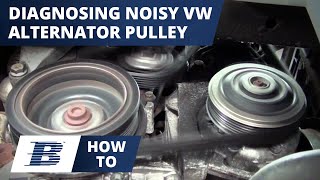
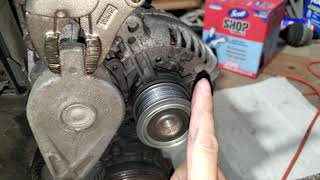
For TDI diesel models, a chattering or flapping tensioner is often misdiagnosed. The real problem is frequently a failed one-way clutch in the alternator pulley, also called an Overrunning Alternator Pulley (OAP). 🎬 Watch: How to diagnose a noisy, chattering alternator pulley. This special pulley is designed to reduce vibrations. When it seizes, it puts a huge strain on the tensioner, causing it to bounce and fail prematurely. If you have a TDI and the tensioner is chattering, have the alternator pulley checked before replacing the tensioner, or you may be fixing the same problem again soon.
Choosing the Right Aftermarket Tensioner
When buying a new tensioner, quality matters. A cheap part can fail quickly, leaving you with the same noises and problems. Since the labor to replace it is the same, it's wise to choose a good brand from the start.
OEM-Quality Brands (Recommended)
- INA: INA is a well-known Original Equipment Manufacturer (OEM) for Volkswagen. This means the INA part you buy from an aftermarket seller is often the exact same part sold at the VW dealer, just in a different box. This is a top choice for fit and longevity.
- Gates / Continental (Conti) / Dayco: These are all major, reputable brands that supply parts to car manufacturers. They are known for high-quality belts and tensioners that meet or exceed OEM standards. You can be confident using a tensioner from any of these brands.
- SKF: Known for high-quality bearings, SKF also produces excellent tensioner assemblies.
Economy Brands
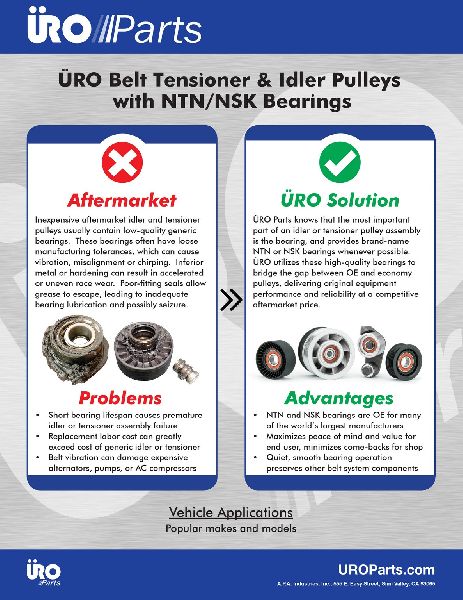
- URO Parts / Vaico: These brands offer a more budget-friendly option. While they can be a good value for some repairs, for a critical part like a tensioner, long-term durability might not match the OEM-quality brands. Some owners have reported premature failures with lower-cost aftermarket tensioners.
Cost to Replace a VW Golf Belt Tensioner
| Part or Service | Estimated Cost |
|---|---|
| New Aftermarket Tensioner Assembly | $50 - $220 |
| New Serpentine Belt | $20 - $50 |
| Shop Labor | $120 - $250 |
| Total Professional Repair | $190 - $520 |
Costs are estimates and can vary based on your location, engine type, and the specific parts chosen.
Frequently Asked Questions
Do I need special tools to replace the tensioner?
The job requires basic hand tools. You will typically need a 16mm wrench to release the belt tension and a 13mm socket to remove the three bolts holding the tensioner to the engine. A small pin, like a 3mm Allen key, is also needed to lock the tensioner in its retracted position during installation.
Is this a difficult job for a DIY mechanic?
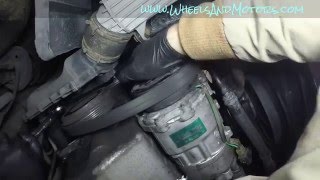
For someone with basic mechanical experience, this is a very manageable DIY job that can be done in about an hour. 🎬 See this step-by-step guide for replacing the belt and tensioner. Access is generally straightforward from the top of the engine on the passenger side, though some engine variations may be tighter than others.
How do I know which tensioner to buy for my Golf?
The 1993-2008 period covers three generations of the Golf (Mk3, Mk4, Mk5) with many different engines (e.g., 1.8T, 2.0L, VR6, 1.9L TDI). The exact tensioner you need depends on your specific engine. It is critical to enter your vehicle's year, model, and engine information to ensure you order the correct part. The wrong part will not fit.
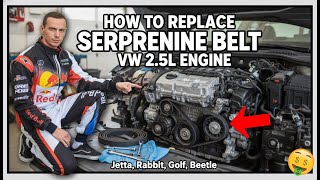
🎬 Watch: Serpentine belt replacement walkthrough for the 2.5L engine.My new tensioner failed after only a few months. Why?
If a new tensioner fails quickly, there are two likely causes. First, it could be a low-quality part. Second, and more likely on a TDI, the alternator pulley (OAP) has failed and is destroying the new tensioner. Another component in the belt system, like a seized A/C compressor or a bad idler pulley, can also cause repeat failures.
Helpful Videos
Technical Specifications
OEM Part Numbers: 06A903315E 06A903315F 038903315C 038903315P 06F903133F 06B903133E
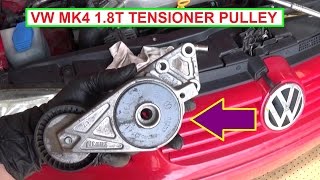
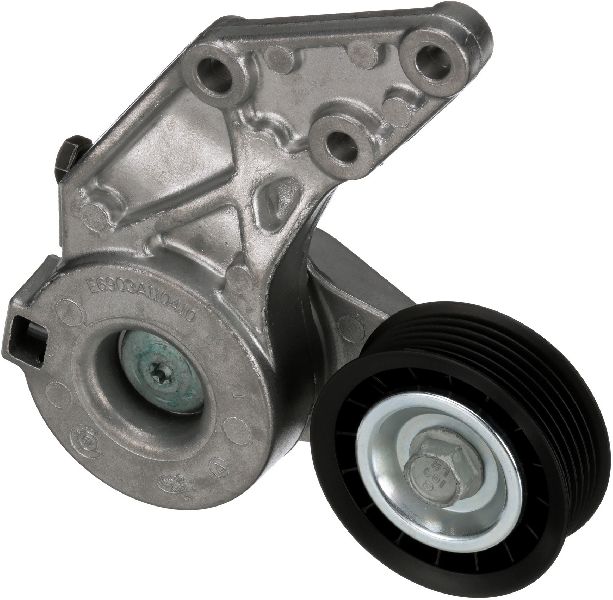
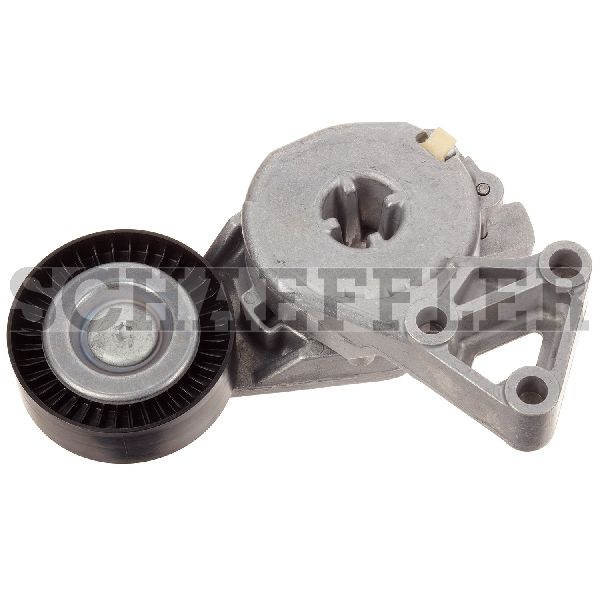
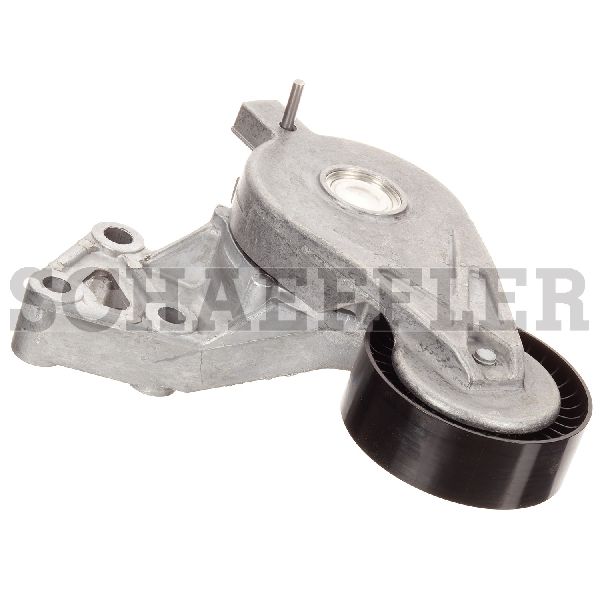
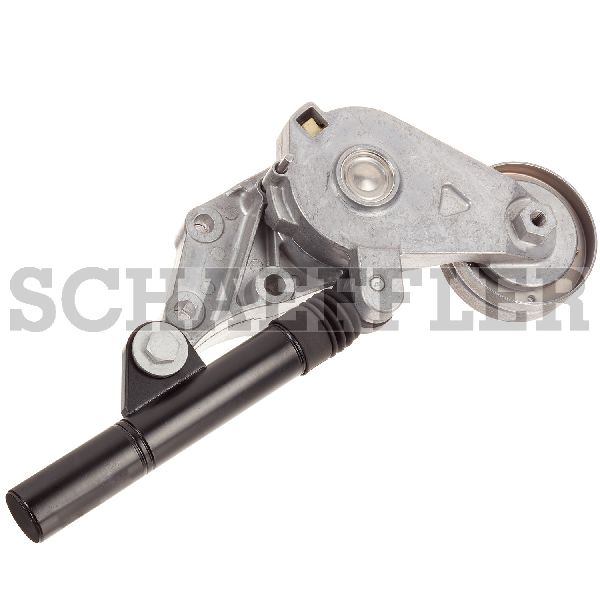
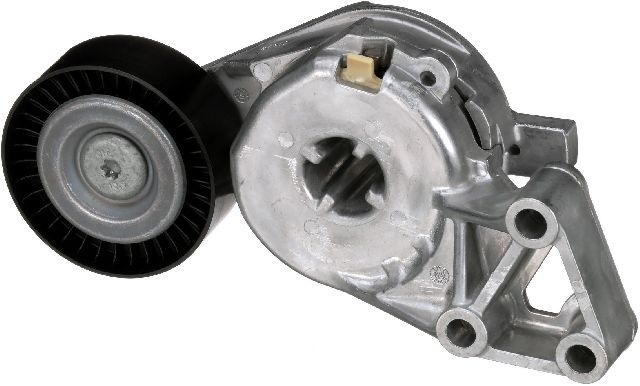
The assembly consists of a base, a spring mechanism, and a pulley. The correct part is determined by the specific engine in the vehicle (e.g., 1.8T, 2.0L, 1.9L TDI, VR6). Most are held on by three 13mm bolts.
We Have This Part in Stock

The information in this article is provided for general reference and educational purposes only. Vehicle specifications, procedures, and part compatibility can vary by production date, trim level, and region. Always consult your vehicle's factory service manual and verify part numbers before purchasing or performing repairs. Safety-critical components such as airbags, seat belts, and braking systems should be installed by a qualified professional.
- Volkswagen Golf: