

Subaru Impreza Engine Coolant Thermostat: A Guide for 1993-2015 Models
Keep your Impreza's engine temperature in check by understanding how to choose the right replacement thermostat.
- For most Impreza owners, an OEM or OEM-quality (like Aisin) thermostat is the best choice for reliability.
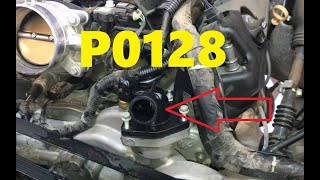
- A thermostat stuck open causes the engine to run too cool (P0128 code), while one stuck closed causes rapid overheating.
- After replacement, it is critical to properly bleed all air from the cooling system to prevent overheating issues.
- A low-temperature 'racing' thermostat is not recommended for a stock daily-driven Impreza.
Is Your Impreza's Thermostat Failing?
A thermostat is a simple part, but it can cause major problems when it fails. It can fail in two ways: stuck closed or stuck open. Both cause distinct symptoms.
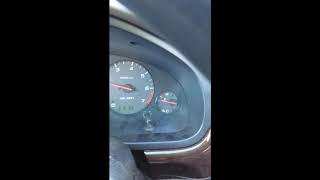
🎬 Watch: How to easily tell when your Subaru thermostat goes bad.Symptoms of a Bad Thermostat
- Engine Overheating: If the thermostat is stuck closed, it traps coolant in the engine. The temperature gauge will climb into the red, especially when driving up hills or in traffic. This is the most serious failure symptom.
- Engine Runs Too Cool: If the thermostat is stuck open, the engine may never reach its proper operating temperature. You'll notice the temperature gauge stays low, your heater may not blow hot air, and your fuel mileage might get worse. This often triggers the Check Engine Light with code P0128.
- Temperature Gauge Fluctuates: An unstable needle that jumps around can point to a thermostat that is struggling to regulate temperature correctly.
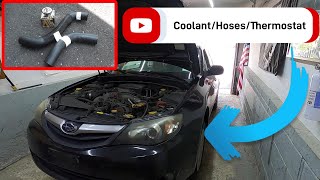
- Coolant Leaks: You might see coolant dripping from the thermostat housing, which is located where the lower radiator hose connects to the engine. 🎬 See this fast and easy Subaru thermostat replacement walkthrough.
A Note on Head Gaskets
Overheating is a known issue on some Subaru models and can be a symptom of a failing head gasket, which is a much more serious repair. If your car overheats, it's important to stop driving immediately to prevent engine damage. If you replace the thermostat and still have overheating or coolant loss, you should have a mechanic test for a bad head gasket.
Choosing the Right Aftermarket Thermostat
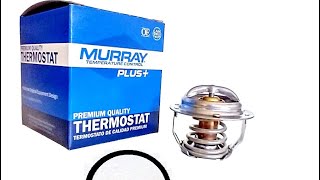
When shopping for a new thermostat for your 1993-2015 Impreza, you have several options. For a daily driven vehicle without major performance modifications, sticking to the original equipment (OEM) temperature rating is almost always the best choice.
| Brand Tier | Brands | Best For |
|---|---|---|
| OEM-Quality | Aisin, Genuine Subaru | Stock vehicles and daily drivers. These are made to the exact factory specifications for temperature and fit, ensuring reliable performance. Aisin is a known OEM supplier for many Japanese vehicles. |
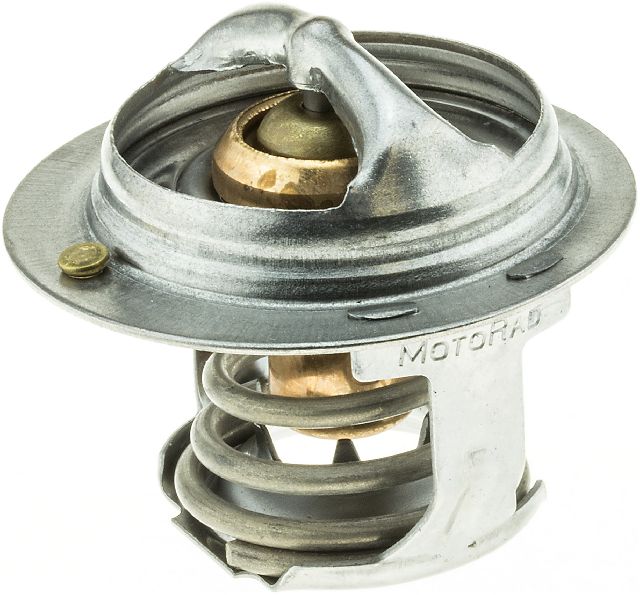
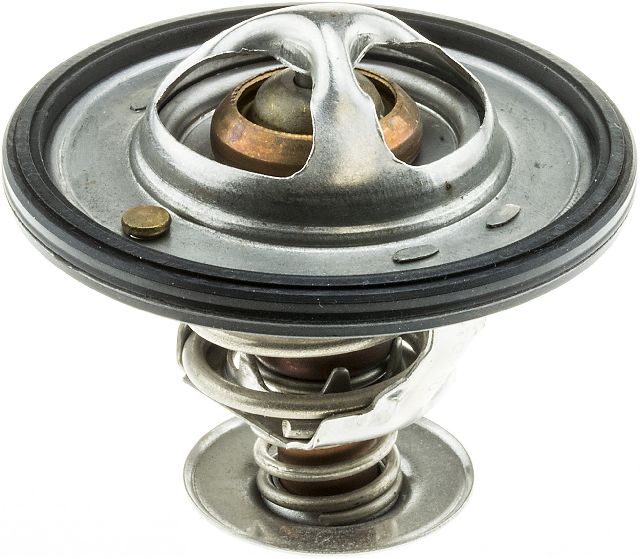
| Standard Aftermarket | Gates, Beck Arnley, Motorad, Calorstat, Facet | Budget-conscious repairs. These brands offer a direct replacement that meets basic requirements. While often reliable, quality can sometimes be inconsistent compared to OEM. Always verify the temperature rating matches your car's original spec. |
| Performance (Low-Temp) | Mishimoto | Modified or track-focused cars. These thermostats open at a lower temperature (e.g., 154-165°F) to start the cooling process sooner. However, for a daily driver, they can prevent the engine from reaching its efficient operating temperature, which can hurt fuel economy and heater performance, especially in cold climates. |
Check for Service Bulletins
Subaru issued a Technical Service Bulletin (TSB 09-56-13) for 2012-2013 Impreza models concerning the P0128 trouble code. A countermeasure thermostat was released to fix an issue where the thermostat could open at too low a temperature after a cold soak. If you have one of these model years and a P0128 code, using the updated OEM part is recommended.
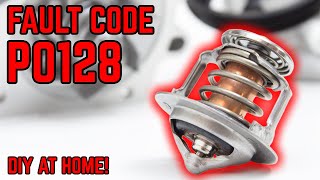
🎬 Watch this DIY fix for the P0128 fault code.Frequently Asked Questions (FAQ)
Can I drive with a bad thermostat?
If your thermostat is stuck open and the engine is running cool, you can drive short distances, but you should get it fixed soon to avoid poor fuel economy and increased emissions. If the thermostat is stuck closed and the engine is overheating, you should pull over and stop driving immediately to prevent catastrophic engine damage.
Why is my car still overheating after replacing the thermostat?
There are a few common reasons. First, air may be trapped in the cooling system. The system must be properly "burped" after being refilled to remove all air pockets. Other causes could be a failing water pump, a clogged radiator, faulty radiator fans, or a blown head gasket.
Should I use a lower temperature thermostat in my daily driver?
It is generally not recommended. While a low-temp thermostat from a brand like Mishimoto can be beneficial for highly modified or track cars, it can cause problems for a stock daily driver. Your engine is designed to run at a specific temperature for optimal efficiency and emissions. Running it too cool can reduce fuel economy and cause your heater to work poorly in the winter.
Do I need to replace the thermostat gasket?
Yes, absolutely. Always use a new gasket or rubber seal when replacing the thermostat. Reusing the old one will almost certainly cause a coolant leak. Most new thermostats come with a new gasket included.
Is there a recall for the thermostat on my Impreza?
No. Searches of the National Highway Traffic Safety Administration (NHTSA) database did not find any safety recalls specifically for the engine coolant thermostat on 1993-2015 Subaru Impreza models.
Helpful Videos
Technical Specifications
OEM Part Numbers: 21200AA072 21210AA211 21210AA181 21210AA221
Location: Lower engine block, connected to the lower radiator hose. Housing held by two 10mm bolts. OEM opening temperature is typically 78°C (172°F) or 82°C (180°F).
We Have This Part in Stock


The information in this article is provided for general reference and educational purposes only. Vehicle specifications, procedures, and part compatibility can vary by production date, trim level, and region. Always consult your vehicle's factory service manual and verify part numbers before purchasing or performing repairs. Safety-critical components such as airbags, seat belts, and braking systems should be installed by a qualified professional.
- Subaru Impreza: