

BMW 528i A/C System O-Ring and Gasket Kit Guide (1993-2016)
Losing your cool? This guide covers the essential seals to fix your BMW 528i's A/C system.
- A loss of cold air and hissing from the vents are primary signs of a refrigerant leak, often caused by failed o-rings.
- This job is not DIY-friendly as it requires specialized equipment to legally and safely handle refrigerant.
- You must buy a kit specific to your BMW's generation (E34, E39, E60, F10) as one size does not fit all.
- For F10 models (2011-2016), have a mechanic check the A/C condenser, as it is a very common failure point that can be mistaken for an o-ring leak.
Is Your 528i's A/C Blowing Warm Air?
The most common reason for a BMW's A/C to stop blowing cold is a refrigerant leak, and old, brittle o-rings are a frequent cause. When these seals fail, the refrigerant escapes, and the system can no longer cool the air. You might hear a hissing sound from your vents, which is a tell-tale sign of low refrigerant. In other cases, you may see an oily, grimy residue on the A/C lines or connections in the engine bay; this is the system's lubricating oil leaking out with the refrigerant.
A Kit for Every Generation? Not Quite.
The 1993-2016 BMW 528i spans four different vehicle generations: the E34, E39, E60, and F10. Each has a different A/C system layout. A single o-ring kit will not fit all of these models. It is critical to buy a kit that is specifically listed for your car's exact year and chassis code (e.g., E39, F10). Using a generic o-ring from a hardware store is not recommended, as they may not be the correct size or material, leading to a poor seal.
- E34 (1993-1995): Early models may have used R12 refrigerant. Most aftermarket kits use green HNBR o-rings compatible with the newer R134a refrigerant. If your system was converted, these kits are fine.
- E39 (1997-2000): These models use R134a refrigerant. Vehicle-specific kits are available and recommended.
- E60 (2008-2010): O-ring failure is common with age on these vehicles.
- F10 (2011-2016): While o-rings can fail, a more common leak point on the F10 5-series is the A/C condenser itself, which is prone to failure from weld issues or road debris. If you have an F10, it's wise to have a technician inspect the condenser for leaks before assuming the o-rings are the only problem.
This is Not a Simple DIY Job
While the o-rings themselves are inexpensive, replacing them is a job for a professional or an advanced DIYer with specialized tools. The A/C system is under high pressure and contains refrigerant that is illegal to release into the atmosphere. The repair process requires a machine to safely recover the old refrigerant, and then to pull a vacuum to check for leaks and recharge the system with the exact weight of refrigerant and oil.
Choosing the Right Aftermarket Kit
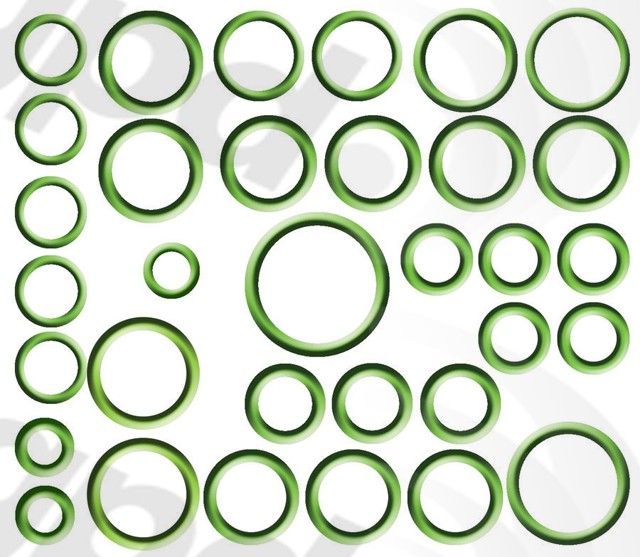
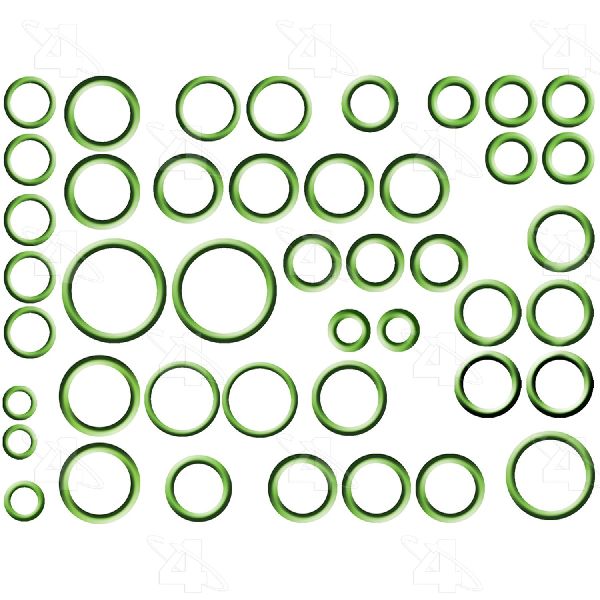
For a part like an o-ring, a quality aftermarket kit from a brand like Four Seasons or Global Parts (GPD) is a perfectly acceptable and cost-effective choice. The most important factor is not brand name, but ensuring the kit is specified for your exact 528i model to guarantee the correct sizes and fit. These kits are made from HNBR (Hydrogenated Nitrile Butadiene Rubber), which is the standard material for modern R134a A/C systems. OEM o-rings are available from BMW, but they are typically sold individually at a higher cost and offer little functional advantage over a complete, vehicle-specific aftermarket kit.
Cost to Replace A/C O-Rings on a BMW 528i
| Part/Service | Estimated Cost |
|---|---|
| Shop Labor (Evacuate & Recharge) | $250 - $500 |
| New Aftermarket O-Ring Kit | $18 - $34 |
| New OEM O-Rings (Individually) | $50 - $150+ (for a full set) |
| Total Estimated Cost | $270 - $550+ |
Cost estimates are based on market research and may vary by location and shop.
Frequently Asked Questions
Can I just use a stop-leak product?
While some owners have had temporary success with A/C stop-leak products, they are not a permanent solution. These sealants can also potentially clog other sensitive A/C components like the expansion valve or receiver/drier, leading to more expensive repairs down the road. The proper fix is to replace the failed seals.
My A/C is hissing. Does that always mean an o-ring leak?
A hissing or gurgling sound from the vents usually indicates the system is low on refrigerant. The leak could be from an o-ring, a hose, the compressor shaft seal, or, especially on F10 models, the condenser. A technician can add UV dye to the system to pinpoint the exact source of the leak.
Are there any recalls for my 528i's A/C system?
There are no specific recalls for A/C o-rings on the 1993-2016 528i. However, a recent recall (NHTSA ID: 26V096) was issued for newer 2024-2026 BMW 5-Series models because the A/C wiring harness could be damaged during a cabin air filter change, creating a fire risk. This does not apply to the 1993-2016 models covered in this article.
How often should A/C o-rings be replaced?
There is no set replacement interval. O-rings are typically replaced whenever the A/C system is opened for another repair, such as a compressor or condenser replacement. It is good practice to replace all accessible o-rings during such a service to prevent future leaks.
Technical Specifications
OEM Part Numbers: 64508390601 64508363041 64538375742
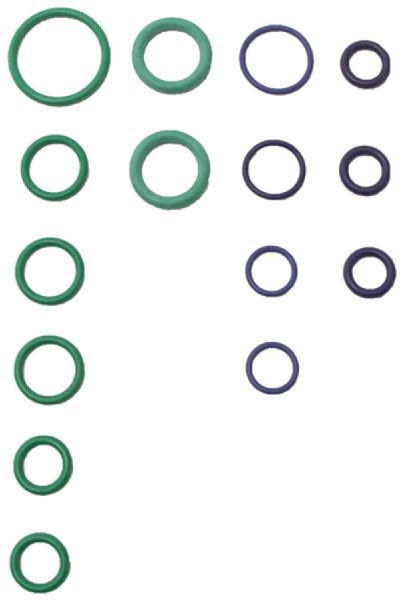
Kits typically contain multiple o-rings made of HNBR (Hydrogenated Nitrile Butadiene Rubber), designed for compatibility with R134a refrigerant. The contents of each kit vary depending on the specific vehicle generation.
We Have This Part in Stock


The information in this article is provided for general reference and educational purposes only. Vehicle specifications, procedures, and part compatibility can vary by production date, trim level, and region. Always consult your vehicle's factory service manual and verify part numbers before purchasing or performing repairs. Safety-critical components such as airbags, seat belts, and braking systems should be installed by a qualified professional.
- BMW 528i: