

Ford Aspire Engine Coolant Temperature Sensor Guide (1994-1997)
Everything you need to know before replacing your 1994-1997 Ford Aspire's Engine Coolant Temperature Sensor.
- The 1994-1997 Ford Aspire has two separate temperature sensors; make sure you are replacing the one for the ECU, not the one for the gauge.
- Symptoms of failure include poor fuel economy, rough idle, overheating, and a check engine light with codes like P0117 or P0118.
- Replacement is a simple DIY job for most owners and should take less than an hour.
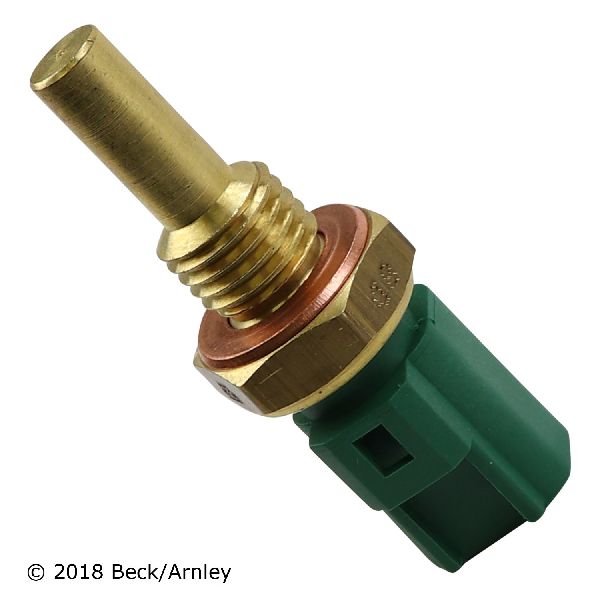
- Quality aftermarket brands like Delphi, Beck Arnley, or Standard Ignition offer excellent value and are a smart choice for this repair.
Understanding the Engine Coolant Temperature Sensor on Your Aspire
If your 1994-1997 Ford Aspire is running rough, getting bad gas mileage, or has a check engine light on, a faulty Engine Coolant Temperature (ECT) sensor could be the culprit. This sensor tells the engine's computer how hot the coolant is, which affects how the engine runs. A bad sensor can trick the computer into thinking the engine is always cold, causing it to use too much fuel. Or, it might fail to signal an overheating condition, which could lead to serious engine damage. This guide will help you understand the symptoms, choose the right aftermarket replacement, and know what to expect during the repair.
Two Different Sensors
Your Ford Aspire has two temperature sensors. One is the Engine Coolant Temperature (ECT) Sensor, which sends information to the car's computer (ECU). The other is the Water Temperature Sender (or Switch), which controls the temperature gauge on your dashboard. This article is about the ECT sensor for the computer. If your gauge is acting up but the engine runs fine, you may need the other sensor.
Symptoms of a Failing ECT Sensor
When the ECT sensor starts to go bad, your Aspire will give you some clear warning signs. Here’s what to look for:
- Check Engine Light: This is often the first sign. The computer will detect a signal from the sensor that is out of the normal range and trigger a warning light. Common codes include P0117 (Circuit Low) and P0118 (Circuit High).
- Poor Fuel Economy: If the sensor incorrectly tells the computer the engine is cold, the computer will enrich the fuel mixture, making you use more gas than necessary.
- Rough Idle: An incorrect fuel mixture can cause the engine to idle poorly, shake, or vibrate.
- Engine Overheating: A faulty sensor might not trigger the electric cooling fans when needed, causing the engine to run too hot.
- Black Smoke from Exhaust: This is a sign of a very rich fuel mixture, where unburned fuel is being sent out the tailpipe.
- Hard Starting: Especially when the engine is warm, a bad sensor can make it difficult to restart the car.
Choosing the Right Aftermarket ECT Sensor
For a vehicle like the 1994-1997 Ford Aspire, aftermarket parts offer excellent value. The original Ford part (Motorcraft) is always an option, but several reputable aftermarket brands produce quality sensors that meet or exceed original specifications. There is no need to pay dealership prices for this repair.
Based on general quality and reputation in the industry, we can sort the available brands into tiers. This can help you balance cost and quality for your repair.
| Brand Tier | Brands | Why Choose? |
|---|---|---|
| Premium Aftermarket | Delphi, NGK, Beck Arnley, Hella | These brands are often original equipment (OE) suppliers for many carmakers. They are known for high-quality materials, precise manufacturing, and reliability that is very close to the original part. |
| Quality Mid-Grade | Standard Ignition (SMP), Vemo, Holstein, Walker Products | These are trusted names in the aftermarket that offer a great balance of price and performance. They produce a huge range of sensors and are a solid choice for most repairs. |
| Economy / Value | Four Seasons, Facet, Global Parts, Motorad | These brands provide a functional, budget-friendly solution. For an older vehicle, these can be a perfectly acceptable way to fix the problem without spending much money. |
Frequently Asked Questions (FAQ)
Where is the ECT sensor located on a 1994-1997 Ford Aspire?
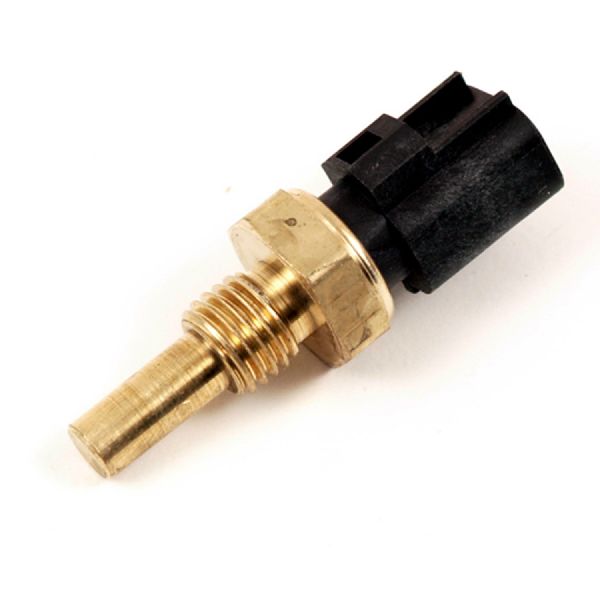
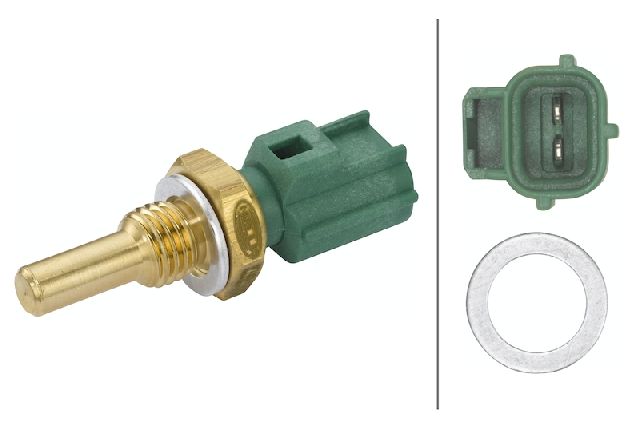
You can typically find the ECT sensor by following the upper radiator hose to where it connects to the engine, often on the thermostat housing or intake manifold. On the Aspire's 1.3L engine, it is a two-wire sensor. Remember to look for the sensor that sends data to the computer, not the single-wire sensor for the gauge.
Can I replace the ECT sensor myself?
Yes, this is a very DIY-friendly job for most home mechanics. It usually involves unplugging the electrical connector, unscrewing the old sensor, and quickly screwing in the new one to minimize coolant loss. The most difficult part is often just getting access to the sensor. The job should take less than an hour.
Are there any recalls for the Ford Aspire ECT sensor?
No. Searches of the National Highway Traffic Safety Administration (NHTSA) database and other records show no recalls or technical service bulletins (TSBs) specifically for the engine coolant temperature sensor on the 1994-1997 Ford Aspire.
Should I buy an OEM sensor or is aftermarket okay?
For this part on this vehicle, a quality aftermarket sensor is perfectly fine and will save you money. Brands like Delphi and Beck Arnley are known for making parts that match OE quality. Even value-oriented brands are often sufficient for a vehicle of this age. There is little reason to pay extra for a dealer part unless you strongly prefer to use only OEM parts.
What happens if I don't replace a bad ECT sensor?
Ignoring a bad ECT sensor can lead to bigger problems. Continuously running rich will waste fuel and can foul your spark plugs and oxygen sensor. More seriously, if the sensor fails to detect an overheating engine, you risk severe damage like a warped cylinder head or blown head gasket, which are very expensive repairs.
Technical Specifications
OEM Part Numbers: F4BZ12A648A F32Z12A648B B59318840A B59318840 NF0218840
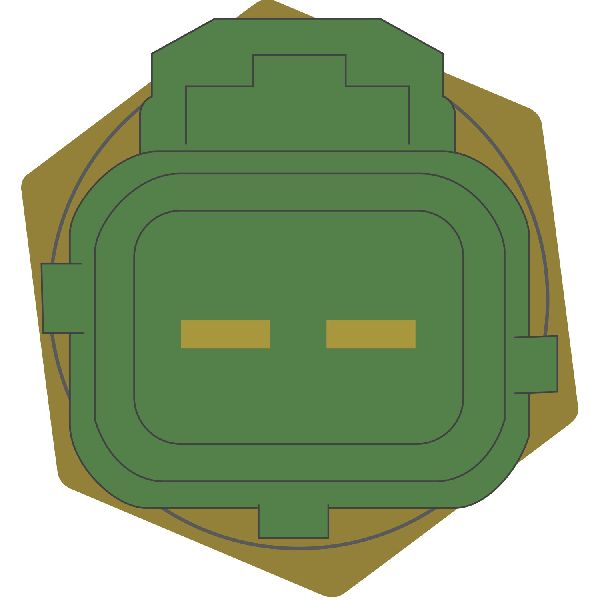
The sensor for the ECU is a 2-terminal, blade-style connector. It is a thermistor, meaning its electrical resistance changes with temperature.
We Have This Part in Stock


The information in this article is provided for general reference and educational purposes only. Vehicle specifications, procedures, and part compatibility can vary by production date, trim level, and region. Always consult your vehicle's factory service manual and verify part numbers before purchasing or performing repairs. Safety-critical components such as airbags, seat belts, and braking systems should be installed by a qualified professional.
- Ford Aspire: