

1994-1998 Chevrolet Camaro Automatic Transmission Mount Replacement Guide
Stop the clunking and vibrations by choosing the right replacement transmission mount for your F-Body Camaro.
- Decide between a quiet, comfortable ride (rubber mount) or enhanced durability and performance feel with more vibration (polyurethane mount).
- Symptoms like clunking on acceleration and a moving shifter are clear indicators of a failed mount.
- Budget aftermarket rubber brands like Anchor and DEA are known to have a much shorter lifespan than OEM parts.
- This is a simple DIY replacement that can be done in about an hour with basic tools.
Is Your Camaro's Transmission Mount Failing?
A worn-out transmission mount on a 4th Generation Camaro is a common issue, especially on higher-mileage cars or those driven aggressively. The original rubber can tear, crack, or become saturated with oil, leading to failure. When the mount fails, the transmission is no longer held securely, causing a range of distinct symptoms.
The most common sign is a loud clunking or banging noise from under the center of the car when you accelerate hard. You might also feel this thud through the floor. Another key indicator is excessive movement of the gear shifter, which may seem to jump or lift when you get on and off the gas. Other symptoms include a general increase in cabin vibrations, especially at idle or when shifting, and rougher gear changes.
Choosing the Right Aftermarket Mount: Rubber vs. Polyurethane
When replacing your transmission mount, you have two main choices: a standard rubber mount similar to the original, or a performance-oriented polyurethane mount. Your decision depends on your priorities: comfort or performance.
Comfort & Standard Replacement (Rubber)
A standard rubber mount is designed to work just like the factory part, prioritizing a smooth and quiet ride by effectively absorbing drivetrain vibrations. This is the best choice for a daily driven car where comfort is important. However, the quality of aftermarket rubber mounts can vary significantly.
- OEM/ACDelco: For longevity and guaranteed fit, a genuine GM or ACDelco part is often recommended by owners, though it is the most expensive option.
- Anchor, DEA, Westar: These brands offer budget-friendly replacements. While they will function, forum discussions frequently report that they do not last as long as OEM parts and may fail prematurely. Some users have also reported fitment issues right out of the box. These are a low-cost solution, but be prepared for a shorter service life.
- Pioneer Cable: Some owner experiences suggest that Pioneer-branded mounts offer quality closer to the original factory parts and are a good alternative to more expensive OEM mounts.
Performance Upgrade (Polyurethane)
For owners seeking improved durability and a more connected driving feel, a polyurethane (poly) mount is a popular upgrade. These mounts are much stiffer and more durable than rubber.
- Prothane & Daystar: Both brands are well-known for their polyurethane components. They offer a significant increase in durability, making them a great choice for performance driving and modified cars, as they can handle more power and abuse without failing. Many owners who race or drive their Camaros hard consider a poly mount a necessary upgrade after breaking multiple stock rubber mounts.
| Part Type | Estimated Cost |
|---|---|
| New OEM (GM/ACDelco) | $80 - $130 |
| New Aftermarket (Rubber) | $13.89 - $53.99 |
| New Aftermarket (Polyurethane) | $40 - $72.95 |
| Shop Labor | $85 - $150 |
Frequently Asked Questions (FAQ)
How do I know for sure my transmission mount is bad?
Besides listening for clunks and feeling vibrations, you can perform a visual inspection. Safely raise the vehicle and look at the mount located at the tail of the transmission. Look for visible cracks, tears, or separation in the rubber. You can also have a helper put the car in gear with the brakes held firmly while you observe the mount for excessive movement. Any significant play or visible damage means it's time for a replacement.
Is replacing the transmission mount a DIY job?
Yes, for most home mechanics, this is a very feasible DIY project. The process is straightforward and can typically be completed in about an hour. It involves supporting the transmission with a floor jack, removing the transmission crossmember (four bolts), and then unbolting the mount itself (two bolts). Basic hand tools are all that's required.
Should I use a rubber or polyurethane mount?
Choose rubber if you want to maintain the original smooth, quiet ride of your Camaro. Choose polyurethane if you have a performance-oriented car, have increased horsepower, or want a more durable part and are willing to tolerate extra cabin vibration.
Are there any recalls for the 1994-1998 Camaro transmission mount?
No, searches of the National Highway Traffic Safety Administration (NHTSA) database did not find any specific recalls or technical service bulletins (TSBs) for the automatic transmission mount on the 1994-1998 Chevrolet Camaro.
Frequently Asked Questions (FAQ)
How do I know for sure my transmission mount is bad?
Besides listening for clunks and feeling vibrations, you can perform a visual inspection. Safely raise the vehicle and look at the mount located at the tail of the transmission. Look for visible cracks, tears, or separation in the rubber. You can also have a helper put the car in gear with the brakes held firmly while you observe the mount for excessive movement. Any significant play or visible damage means it's time for a replacement.
Is replacing the transmission mount a DIY job?
Yes, for most home mechanics, this is a very feasible DIY project. The process is straightforward and can typically be completed in about an hour. It involves supporting the transmission with a floor jack, removing the transmission crossmember (four bolts), and then unbolting the mount itself (two bolts). Basic hand tools are all that's required.
Should I use a rubber or polyurethane mount?
Choose rubber if you want to maintain the original smooth, quiet ride of your Camaro. Choose polyurethane if you have a performance-oriented car, have increased horsepower, or want a more durable part and are willing to tolerate extra cabin vibration.
Are there any recalls for the 1994-1998 Camaro transmission mount?
No, searches of the National Highway Traffic Safety Administration (NHTSA) database did not find any specific recalls or technical service bulletins (TSBs) for the automatic transmission mount on the 1994-1998 Chevrolet Camaro.
Technical Specifications
OEM Part Numbers: 22174970 22188243
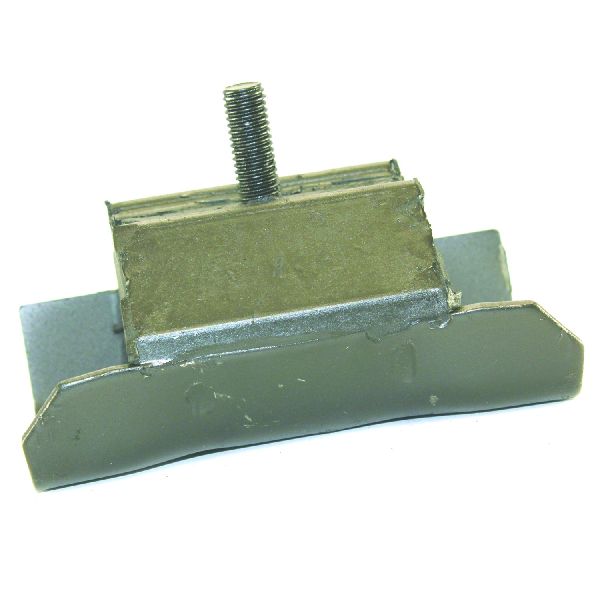
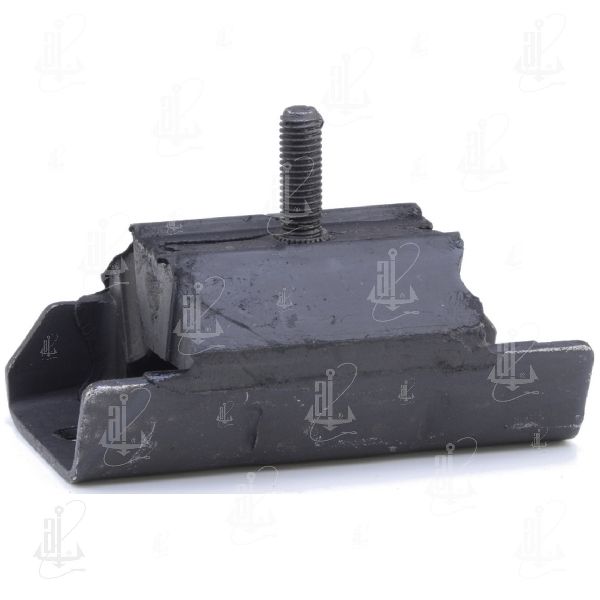
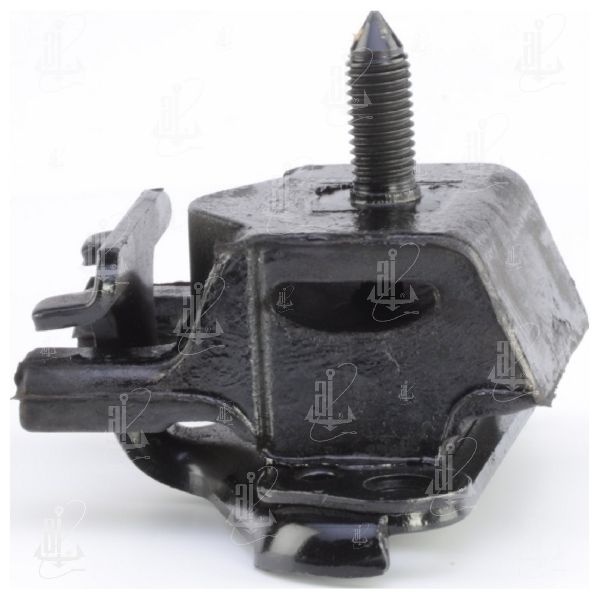
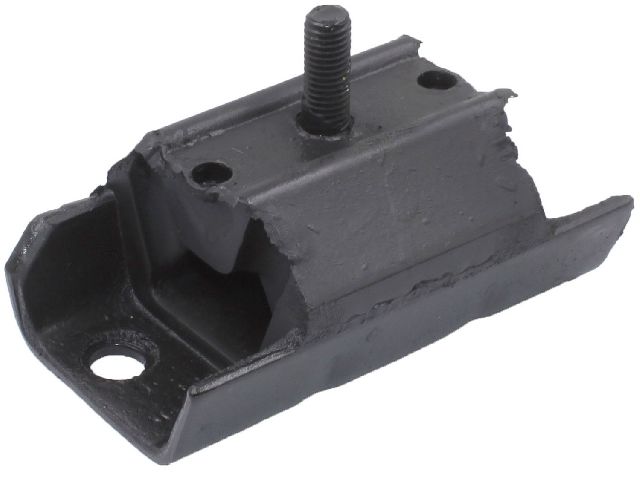
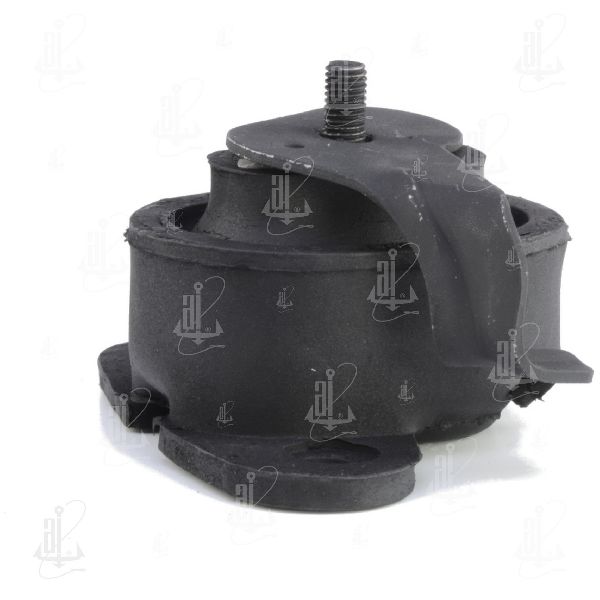
The mount consists of a steel bracket with a bonded rubber or polyurethane insulator. It attaches to the transmission tailshaft housing with two bolts and to the transmission crossmember with a single center stud and nut. The crossmember itself is held to the frame with four bolts.
We Have This Part in Stock


The information in this article is provided for general reference and educational purposes only. Vehicle specifications, procedures, and part compatibility can vary by production date, trim level, and region. Always consult your vehicle's factory service manual and verify part numbers before purchasing or performing repairs. Safety-critical components such as airbags, seat belts, and braking systems should be installed by a qualified professional.
- Chevrolet Camaro:
- 🛍️ Shop This Part
- Is Your Camaro's Transmission Mount Failing?
- Choosing the Right Aftermarket Mount: Rubber vs. Polyurethane
- Comfort & Standard Replacement (Rubber)
- Performance Upgrade (Polyurethane)
- How do I know for sure my transmission mount is bad?
- Is replacing the transmission mount a DIY job?
- Should I use a rubber or polyurethane mount?
- Are there any recalls for the 1994-1998 Camaro transmission mount?
- 🎟️ Get 5% Off