

Ford F-250 (1994-1998) Automatic Transmission Mount: A Complete Guide
Address clunks and vibrations by choosing the right replacement transmission mount for your F-250.
- The most common signs of failure are clunking noises when shifting and excessive vibration in the cabin.
- You must verify the part fits your specific drivetrain (2WD or 4WD) to avoid ordering the wrong mount.
- Standard aftermarket brands are affordable but have a reputation for shorter service life; polyurethane is a durable but harsher-riding alternative.
- Driving with a failed mount can cause damage to engine mounts, the driveshaft, and U-joints, leading to more expensive repairs.
Is Your F-250's Transmission Mount Failing?
A worn-out transmission mount on these OBS (Old Body Style) Ford trucks makes its presence known. Because the original job is to absorb vibration and lock the transmission in place, failure results in very noticeable sounds and feelings. Due to the age of these vehicles, the original rubber has likely become brittle, cracked, or oil-saturated, leading to failure.
Common Symptoms of a Bad Mount:
- Loud Clunking or Banging: This is the most common sign. You'll hear a distinct "clunk" or "thud" from under the truck when you shift from Park into Drive or Reverse. The noise can also happen during hard acceleration or when you let off the gas suddenly.
- Excessive Vibration: If you feel a new, heavy vibration through the floor, pedals, or seat, especially while idling in gear, the mount may have collapsed. The rubber is no longer doing its job of dampening the drivetrain's vibrations.
- Drivetrain Movement: A completely failed mount allows the engine and transmission to move excessively. In some cases, owners have reported the transfer case on 4x4 models hitting the skid plate. A simple test is to have a friend watch the engine while you hold the brakes firmly and shift between Drive and Reverse; any significant lurching points to a bad mount.
Choosing the Right Aftermarket Transmission Mount
Since original Ford OEM mounts for this generation are likely discontinued and difficult to find, you will be shopping in the aftermarket. Quality and price vary, so it's important to know what you're buying.
Aftermarket Brand Tiers for F-250
| Brand Tier | Brands | Pros | Cons |
|---|---|---|---|
| Value / Standard Replacement | Anchor, DEA, Westar, Pioneer Cable | Very affordable, widely available. | Inconsistent quality, may have fitment issues (misaligned holes), often use harder rubber that transmits more vibration, and have a reputation for a shorter service life. |
| Performance / Heavy Duty | Energy Suspension (Polyurethane) | Extremely durable, will not degrade from oil, ideal for heavy towing, hauling, or modified trucks. | Will transfer significantly more vibration and noise into the cabin compared to rubber. This is a noticeable trade-off for durability. |
Mechanic's Pro Tip
For a daily driver or light-duty work truck, a standard aftermarket brand like Anchor or Pioneer is often sufficient and cost-effective. However, forum users have reported needing to replace these cheaper mounts more frequently. If you tow heavy loads or have a high-torque diesel, consider the OEM part if you can find one, or a polyurethane mount if you can tolerate the extra vibration.
Common Ordering Mistake: 2WD vs. 4WD
The most critical detail when ordering is your truck's drivetrain. The transmission mount and crossmember for a 2WD F-250 are different from a 4WD model due to the presence of the transfer case. Always confirm the part fits your specific 2WD or 4WD configuration before purchasing.
Frequently Asked Questions (FAQ)
How do I know for sure my transmission mount is bad?
The best way is a visual inspection. The rubber may be cracked, separated from the metal, or look compressed and saggy. You can also use a pry bar to gently check for excessive movement between the transmission and the crossmember. Combining this with the symptom test (having a helper watch the engine as you shift) is a definitive way to diagnose the problem.
Can I replace the transmission mount myself?
Yes, this is a very DIY-friendly job for someone with basic tools and safety equipment. The process involves supporting the transmission with a jack, unbolting the crossmember, and then swapping the mount. The most common difficulty is dealing with rusted bolts.
Should I replace my engine mounts at the same time?
It is highly recommended. The engine and transmission mounts work together as a system. A failed transmission mount puts extra stress on the engine mounts, and vice-versa. If one has failed due to age, the others are likely not far behind.
How long do aftermarket mounts last on an F-250?
Lifespan varies greatly. Some owners report standard aftermarket rubber mounts failing in as little as a year or two, especially on trucks that are used for heavy work. An original OEM mount was known to last for over 200,000 miles, but aftermarket quality is not the same. Polyurethane mounts should last for the life of the truck.
Are there any recalls for the F-250 transmission mount?
No, there are no recalls or Technical Service Bulletins (TSBs) from Ford or the NHTSA for the transmission mount on the 1994-1998 F-250. Failures are considered normal wear and tear due to age and use.
Technical Specifications
Varies by brand. Standard mounts use natural SBR rubber. Performance mounts use polyurethane. All mounts consist of a steel or aluminum frame with a damping material. Fitment is specific to 2WD or 4WD models.
We Have This Part in Stock
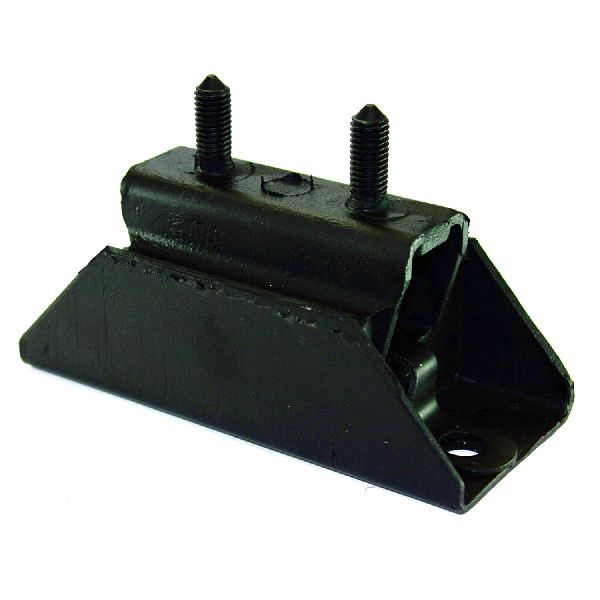
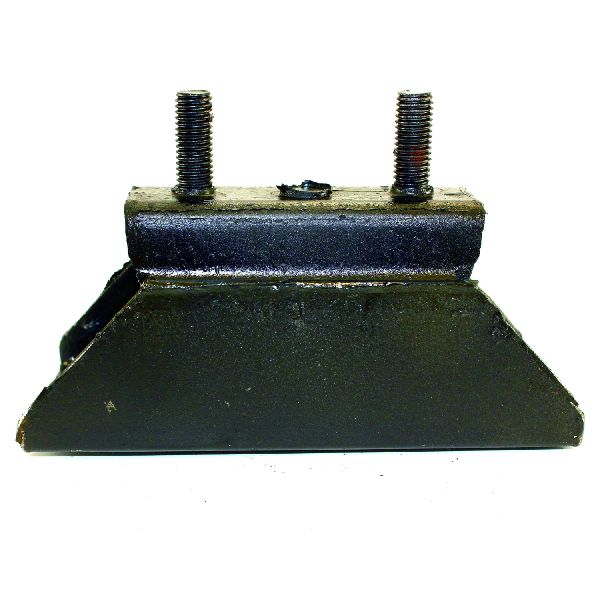
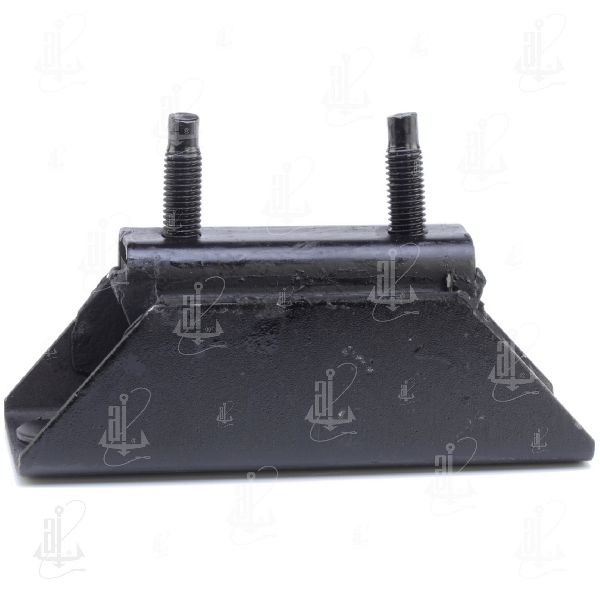
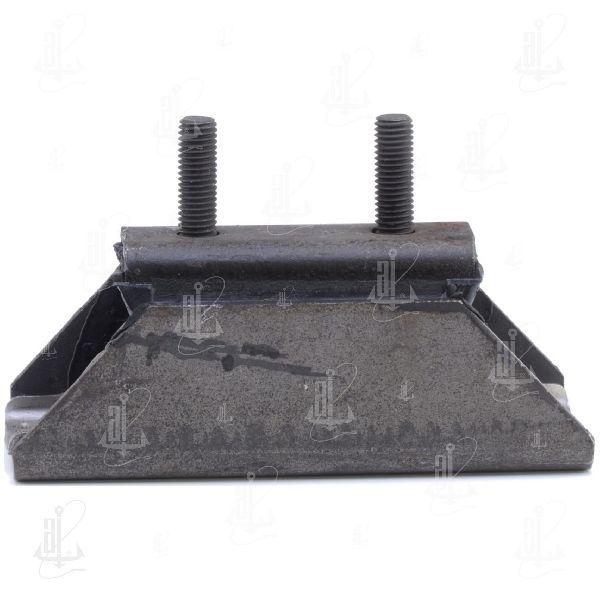
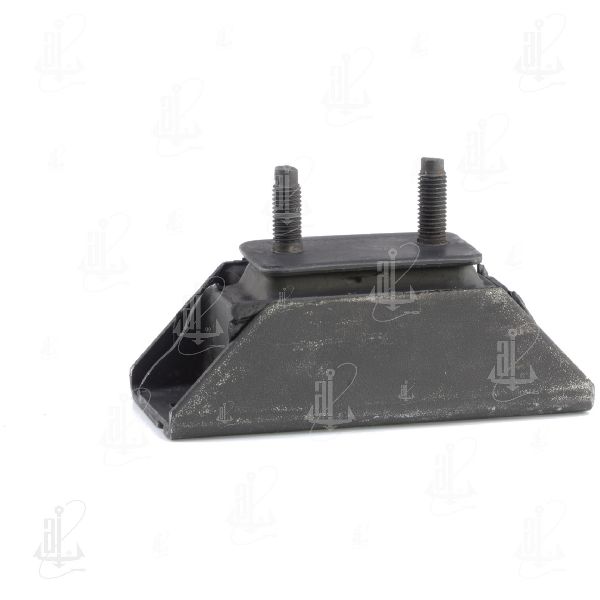
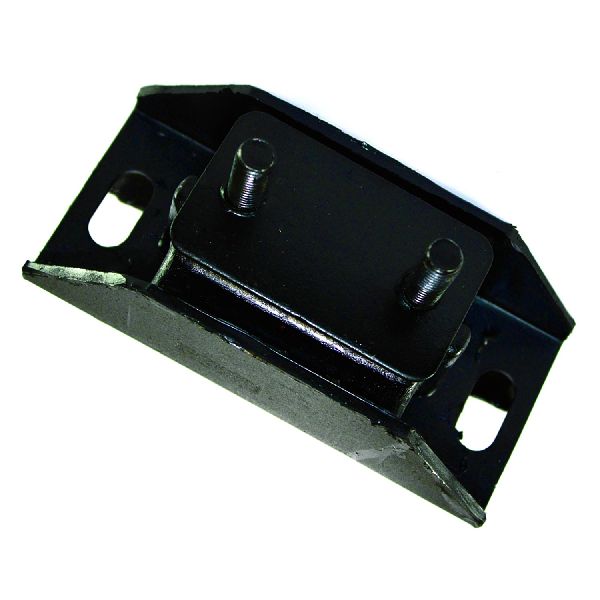

The information in this article is provided for general reference and educational purposes only. Vehicle specifications, procedures, and part compatibility can vary by production date, trim level, and region. Always consult your vehicle's factory service manual and verify part numbers before purchasing or performing repairs. Safety-critical components such as airbags, seat belts, and braking systems should be installed by a qualified professional.
- Ford F-250: