

Accelerator Pedal Sensor on the 1994-1998 GMC Yukon: A Complete Guide
Solve poor acceleration, erratic shifting, and reduced power mode in your GMT400 Yukon by understanding and replacing this critical sensor.
- This part is specific to the 6.5L V8 Diesel engine; gas models use a different part (TPS).
- A faulty pedal sensor is a common cause of erratic automatic transmission shifting and 'Reduced Engine Power' mode.
- Replacement is a simple DIY job, requiring only basic tools and less than an hour of time.
- For long-term reliability, a premium aftermarket brand like Standard Ignition (SMP) is a recommended choice over budget options.
Is This the Right Part for Your Yukon?
Important: This guide is for the Accelerator Pedal Position (APP) Sensor found on the 1994-1998 GMC Yukon with the 6.5L V8 Diesel engine. Gasoline engine models (like the 5.7L V8) do not use this part; they use a mechanical throttle cable and a separate Throttle Position Sensor (TPS) located on the engine's throttle body. Confirm your engine type before purchasing.
Symptoms of a Failing Accelerator Pedal Sensor
When the pedal sensor begins to fail, it sends erratic or incorrect voltage signals to the computer. This can cause a variety of noticeable driving problems. Because the sensor's input is vital for both engine fuel and transmission control, symptoms can appear in both systems.
- Poor or Delayed Throttle Response: The truck may hesitate or feel sluggish when you press the gas pedal.
- Erratic Transmission Shifting: The transmission may shift harshly, at the wrong times, or fail to shift out of a low gear. Sometimes it may feel like the truck is starting in the wrong gear. This is one of the most common symptoms reported by owners.
- Reduced Engine Power Mode: The dashboard may display a "Service Throttle Soon" or similar message, and the truck will have significantly limited power and speed. This is a safety feature to prevent unintended acceleration.
- Check Engine Light: A failing sensor will almost always trigger the Check Engine Light and store diagnostic trouble codes (DTCs) like P2138.
- High or Unstable Idle: The engine may idle higher than normal because the computer is receiving an incorrect signal suggesting the pedal is being pressed.
Choosing the Right Aftermarket Sensor
For a vehicle of this age, OEM parts can be hard to find or expensive. Aftermarket brands offer a practical solution. The two most common options are Dorman and Standard Ignition (Standard Motor Products).
Tier 1: Standard Ignition (SMP)
Often considered a premium aftermarket brand, Standard Ignition parts are known for their quality and reliability, closely matching OE specifications. Their sensors are engineered to maintain specific outputs that match the original part, avoiding the need for adjustments. For a critical part that controls your engine and transmission, choosing a higher-quality brand like Standard can provide more peace of mind and long-term reliability.
Tier 2: Dorman
Dorman provides a budget-friendly alternative that meets the basic need for replacement. These parts are widely available and are often designed as a direct, plug-and-play replacement with no special tools needed. While many users have success with Dorman parts, some professional mechanics express a preference for OEM or premium aftermarket brands for electronic components due to concerns about long-term durability.
| Item | Estimated Cost |
|---|---|
| New Aftermarket Part | $99.94 - $207.99 |
| New OEM Part (GM) | $100 - $180 |
| Shop Labor | $75 - $150 |
| Total Professional Replacement | $175 - $358 |
Pro Tip: Replacement is a simple DIY job that can be done in under an hour with basic hand tools, saving you the cost of labor. The part is typically sold as a complete pedal assembly.
Frequently Asked Questions (FAQ)
Do I need to replace the whole pedal assembly?
Yes, for this specific vehicle, the sensor is integrated into the accelerator pedal assembly. Aftermarket and OEM replacements are typically sold as the complete unit including the pedal and sensor.
Does the new sensor need to be calibrated?
No, a new accelerator pedal sensor for this Yukon does not require any special programming or calibration. It is a plug-and-play part. Disconnecting the battery during installation can help reset the vehicle's computer.
What's the difference between this and a Throttle Position Sensor (TPS)?
The Accelerator Pedal Sensor (this part) is on the pedal inside the cabin and tells the computer what your foot is doing. A Throttle Position Sensor (TPS) is mounted on the engine's throttle body. On the 1994-98 Yukon, only the 6.5L Diesel uses the pedal sensor; gas engines use a TPS.
Are there any recalls for this part?
No, there are no specific safety recalls from the NHTSA for a failing accelerator pedal sensor on the 1994-1998 GMC Yukon. Any related recalls for GM trucks from this era were typically for issues like floor mat interference, not electronic failure.
Technical Specifications
OEM Part Numbers: 15751307 213-2820
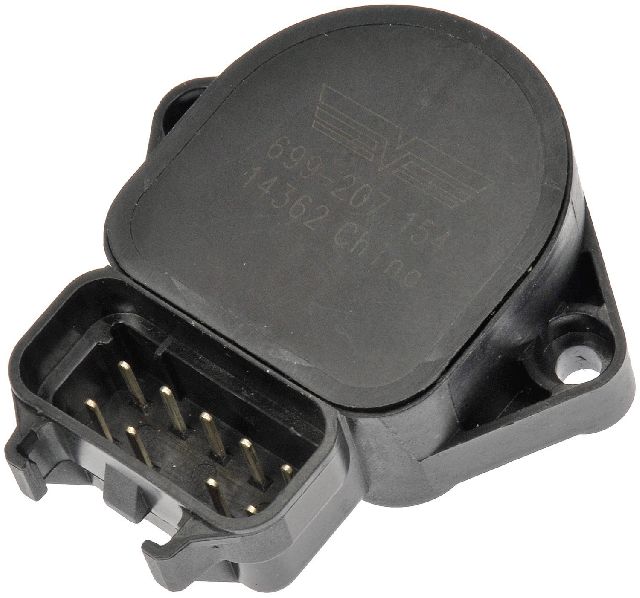
This part is typically sold as a complete pedal assembly with an integrated 9-pin blade-style electrical connector. It functions as a potentiometer, converting pedal movement into a variable voltage signal for the PCM.
We Have This Part in Stock


The information in this article is provided for general reference and educational purposes only. Vehicle specifications, procedures, and part compatibility can vary by production date, trim level, and region. Always consult your vehicle's factory service manual and verify part numbers before purchasing or performing repairs. Safety-critical components such as airbags, seat belts, and braking systems should be installed by a qualified professional.
- GMC Yukon: