

A/C Compressor Guide for 1994-1998 Land Rover Range Rover P38
Keep your P38 Range Rover's complex climate system blowing cold by choosing the right A/C compressor.
- The A/C system on a P38 is complex; diagnose the problem carefully before assuming the compressor is bad. Check for HEVAC fault codes.
- A non-engaging clutch is a very common P38 issue and may not require a full compressor replacement.
- Denso is an OEM-quality choice for this vehicle and is highly recommended for longevity.
- Always replace the receiver/drier and expansion valve when installing a new compressor to ensure system longevity and warranty coverage.
Is Your Range Rover's A/C Blowing Warm?
A failing A/C compressor is a common issue on the P38 Range Rover, but it's not the only potential cause. The sophisticated HEVAC (Heating, Ventilation, and Air Conditioning) system has many components that can cause similar symptoms. Before replacing the compressor, it's important to be sure it's the true culprit. A common issue on these vehicles is the compressor clutch failing to engage due to low voltage or a worn clutch air gap, which can sometimes be fixed without replacing the entire compressor. However, internal failure from age, leaks, or contamination is also frequent.
Don't Mistake Other Failures for a Bad Compressor
The P38 Range Rover is known for complex electronics. A "book" symbol on your HEVAC display indicates a stored fault code. This could be a bad blend motor, a faulty sensor, or a problem with the HEVAC control unit itself. Any of these can prevent the A/C from working correctly, even with a good compressor. It's wise to have the fault codes read with a proper diagnostic tool before buying parts.
Choosing a New Aftermarket A/C Compressor
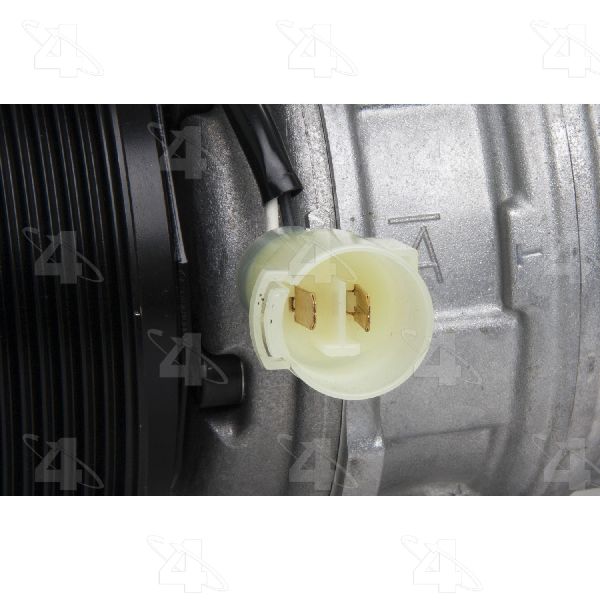
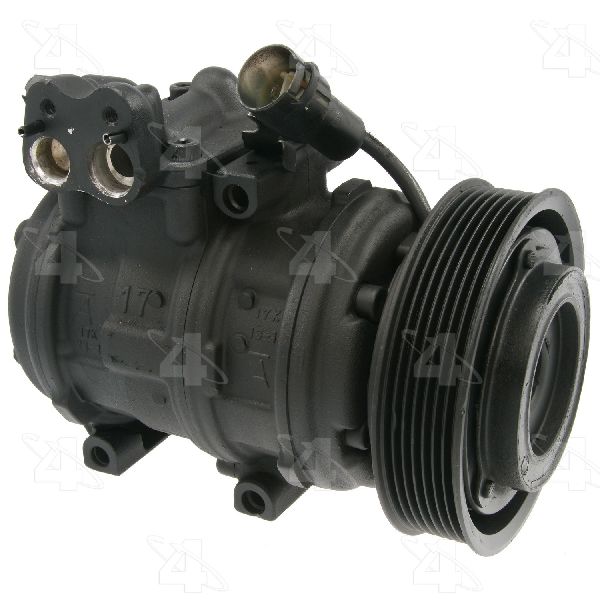
When replacing the A/C compressor on your 1994-1998 Range Rover, you have a few options. While you could seek out a genuine Land Rover part, a high-quality aftermarket unit can offer a great balance of performance and value. For this specific vehicle, the original compressor was often a Denso unit.
Brand Quality Tiers
- Top Tier (OEM Supplier): Denso
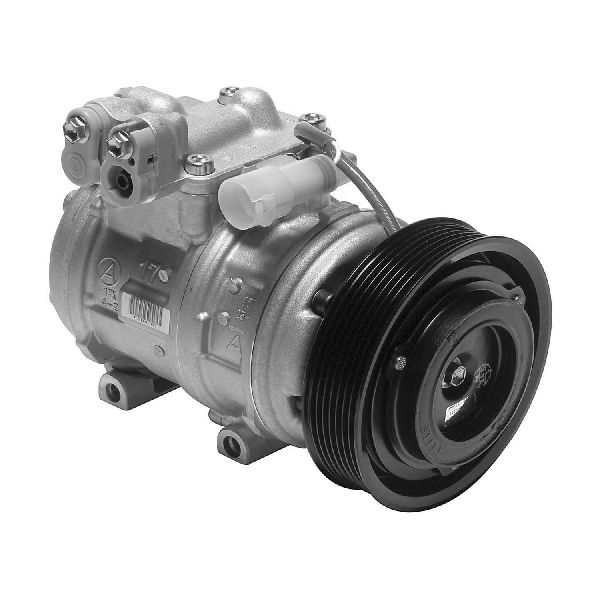
Denso is a well-regarded original equipment manufacturer (OEM) for many car brands, including Land Rover. Choosing a new Denso compressor is the closest you can get to the original factory part. They are known for durability, quiet operation, and reliable performance. If you plan to keep your P38 for the long haul, a new Denso compressor is a solid investment. - Mid-Tier (Reputable Aftermarket): Four Seasons
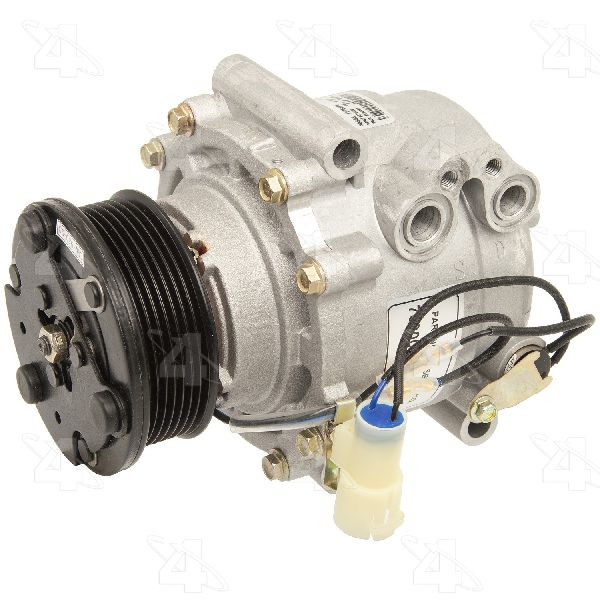
Four Seasons is one of the largest aftermarket A/C parts manufacturers. They offer both new and remanufactured compressors. While some online forum discussions show mixed reviews on remanufactured units in general, new Four Seasons compressors are generally considered a reliable and affordable option. - Standard Tier (Value-Focused): Global Parts (GPD)
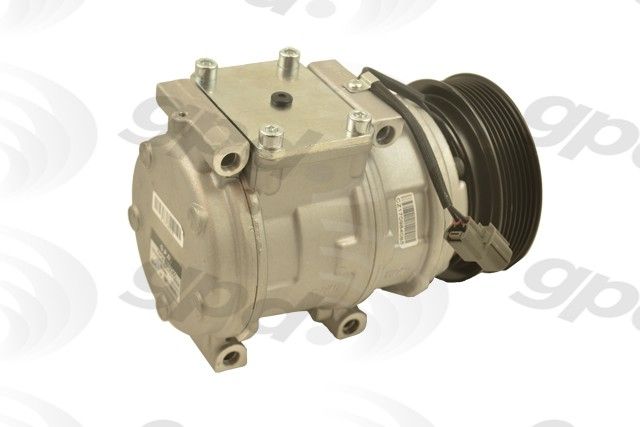
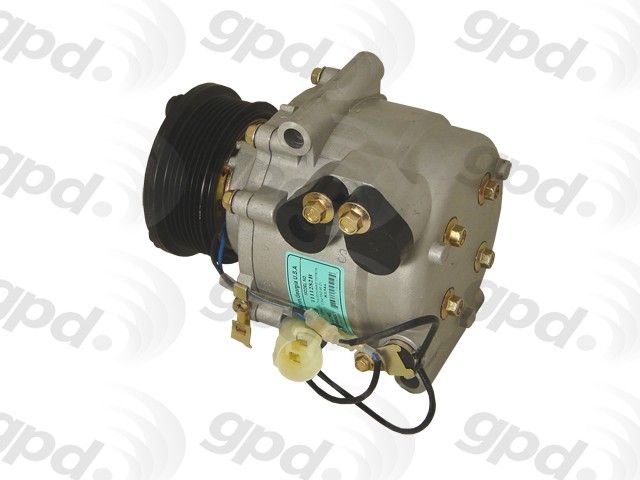
Global Parts Distributors (GPD) is another major aftermarket supplier, often providing value-oriented options. Their new compressors are durability tested and 100% leak-tested. For owners looking for a functional and cost-effective solution, GPD can be a good choice.
Always Replace Other Components
When you replace the A/C compressor, you MUST also replace the receiver/drier (also called an accumulator) and the expansion valve or orifice tube. Failure to do so will void the warranty on your new compressor and likely lead to its premature failure. It is also critical to have the system properly flushed to remove any old oil and potential debris from the previous compressor's failure.
Frequently Asked Questions
Do I have to replace the compressor if only the clutch is bad?
Not always. On the P38, a common issue is the clutch air gap becoming too large over time, preventing engagement. Sometimes this can be fixed by removing a shim. However, finding a clutch separately can be difficult and often costs nearly as much as a whole new compressor assembly, which comes with a new clutch pre-installed.
What is A/C "Black Death"?
"Black Death" refers to a catastrophic internal failure of a compressor. It spreads metal shavings and contaminated black oil throughout the entire A/C system. If this happens, you must thoroughly flush the lines, condenser, and evaporator, and replace the receiver/drier and expansion valve along with the compressor to prevent the new compressor from failing immediately.
Why did my new compressor fail so quickly?
The most common reasons for premature failure are not replacing the receiver/drier and expansion valve, or not flushing the system to remove contaminants. Another common mistake is having too much or too little refrigerant oil in the system. New compressors often come pre-filled with oil, but you must verify the amount is correct for your specific vehicle before installation.
Is this a good DIY job for a home mechanic?
Replacing the compressor itself is moderately difficult. However, the A/C system must be legally and safely evacuated of refrigerant before starting and properly vacuumed and recharged after the installation is complete. This requires specialized equipment. Most DIY mechanics will replace the physical parts and then take the vehicle to a shop for the final evacuation and recharge service.
Technical Specifications
OEM Part Numbers: JPB101330
Fits 1994-1998 Land Rover Range Rover P38 models. Compressor type and clutch configuration may vary by engine (Bosch vs. GEMS). Verify fitment before ordering.
We Have This Part in Stock

The information in this article is provided for general reference and educational purposes only. Vehicle specifications, procedures, and part compatibility can vary by production date, trim level, and region. Always consult your vehicle's factory service manual and verify part numbers before purchasing or performing repairs. Safety-critical components such as airbags, seat belts, and braking systems should be installed by a qualified professional.
- Land Rover Range Rover: