

A/C Condenser Replacement Guide for 1994-1998 Mazda B2300
Keep your truck's A/C blowing cold by understanding how to choose and replace your A/C condenser.
- The most common failure is a leak due to road debris damage, causing warm air from the vents.
- You MUST replace the A/C Accumulator and Orifice Tube at the same time as the condenser for a lasting repair.
- Replacement is DIY-friendly, but you need a shop to legally evacuate and recharge the refrigerant.
- The 1994 model year may have R-12 refrigerant; check the under-hood sticker before buying parts or refrigerant.
Symptoms of a Bad A/C Condenser
When the A/C condenser on your B2300 fails, the signs are usually obvious, especially on a hot day. Here’s what to look for:
- Warm Air from Vents: This is the most common symptom. A condenser that is leaking, clogged, or damaged can't cool the refrigerant, resulting in warm air blowing from your vents.
- Visible Leaks: Since the condenser is at the front of the truck, it's prone to damage from road debris. You might see an oily residue on the condenser fins from leaking refrigerant oil. A mechanic can add UV dye to the system to make leaks glow under a blacklight.
- Engine Overheating at Low Speeds: If the condenser fins are clogged with dirt and debris, they can block airflow to the engine's radiator. This can cause your truck to run hot when you're stopped in traffic or moving slowly.
- A/C Compressor Shuts Down: Your A/C system has pressure sensors. If a blockage in the condenser causes pressure to get too high, the system will shut the compressor off to prevent damage.
Critical Issue: Compressor "Black Death"
The A/C compressor on these trucks can sometimes fail catastrophically, sending metal shavings and black sludge through the system. This is known as "Black Death." If this happens, the debris will clog and destroy a new condenser. A proper repair requires replacing the compressor, accumulator/drier, orifice tube, AND the condenser, plus a full system flush.
Choosing the Right Aftermarket Condenser
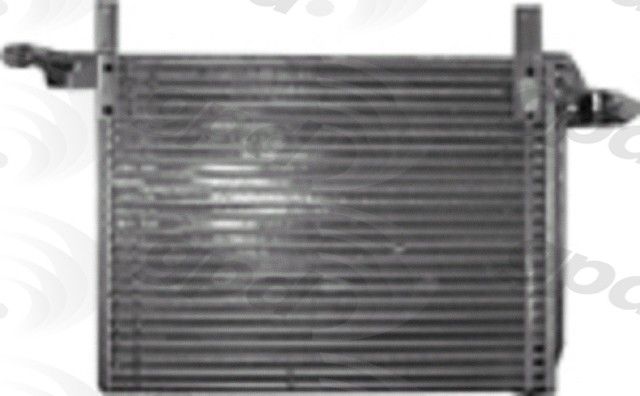
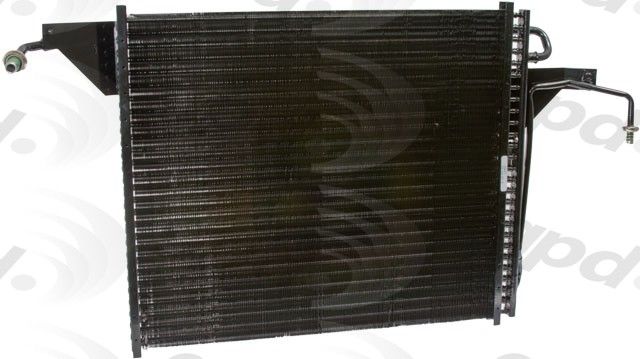
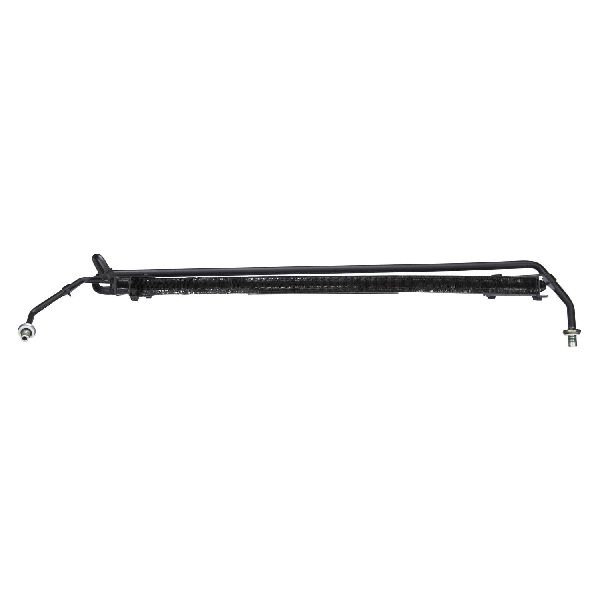
For a vehicle like the 1994-1998 Mazda B2300, aftermarket A/C condensers are a practical and affordable choice. The quality of aftermarket parts has improved significantly, and for this application, they offer excellent value. The key is to choose a reputable brand.
- Good (Value Tier): Brands like APDI and One Stop Solutions (OSS) offer direct-fit replacement condensers that meet basic requirements. They are a budget-friendly option for getting your A/C working again. While forum discussions are limited on these specific brands for the B2300, they are established names in the general aftermarket.
- Better (Standard Tier): Spectra Premium is a widely recognized brand known for good quality and fitment. Their parts are engineered to match original equipment (OE) specifications and are a reliable choice that balances cost and quality.
- Best (Premium Aftermarket): Global Parts Distributors (GPD) is a respected name in the A/C world. They often promote rigorous testing, like helium leak testing, to ensure durability. While some mechanics prefer OEM for very high-labor jobs, GPD is a strong choice for a DIY or independent shop repair on this truck.
A/C Condenser Replacement Cost (1994-1998 Mazda B2300)
Costs can vary by location and which parts you choose. Remember that the Mazda B2300 is a rebadged Ford Ranger, so parts and labor costs are very similar.
| Part/Service | Estimated Cost |
|---|---|
| New Aftermarket Condenser | $130 - $155 |
| New OEM Condenser | $430 - $565+ |
| Shop Labor (incl. evacuate & recharge) | $175 - $400 |
| Total Professional Replacement (Aftermarket Part) | $305 - $555 |
Pro Tip: Replace These Parts at the Same Time
Anytime you open the A/C system, you MUST replace the A/C Accumulator/Drier and the Orifice Tube. The accumulator contains a desiccant that absorbs moisture, and it can only hold so much. A new accumulator is essential for the long-term health of the system and is required for most compressor warranties. These parts are inexpensive and critical for a successful repair.
Frequently Asked Questions (FAQ)
Can I replace the A/C condenser myself?
Yes, a skilled DIYer can replace the condenser. The job involves removing the grille and possibly tilting the radiator for access. However, handling refrigerant is regulated. You must have a professional shop use a special machine to evacuate the refrigerant before you start work and to vacuum test and recharge the system after you are done.
What kind of refrigerant does my 1994-1998 B2300 use?
1995 and newer models left the factory with R-134a refrigerant. The 1994 model year was a transition period, so it could have been R-12 from the factory. Always check the sticker under the hood to be sure. If a previous owner converted an R-12 system to R-134a, there should be a separate sticker noting the conversion. Using the wrong refrigerant or oil will damage the system.
Are there any recalls for the A/C condenser on this truck?
No. Searches of the National Highway Traffic Safety Administration (NHTSA) database show no recalls or technical service bulletins (TSBs) specifically for A/C condenser failure on the 1994-1998 Mazda B2300.
Do I need special tools to replace the condenser?
Yes. Besides basic hand tools, you will need a special A/C and Fuel Line Disconnect Tool to release the spring-lock fittings on the condenser lines. These are inexpensive and available at any auto parts store.
Technical Specifications
OEM Part Numbers: F4TZ-19712-C
The A/C system on the 1994-1998 Mazda B2300 is an orifice tube type. The condenser is a parallel flow design made of aluminum. The system uses R-134a refrigerant from 1995-1998; the 1994 model should be verified via the under-hood sticker.
We Have This Part in Stock


The information in this article is provided for general reference and educational purposes only. Vehicle specifications, procedures, and part compatibility can vary by production date, trim level, and region. Always consult your vehicle's factory service manual and verify part numbers before purchasing or performing repairs. Safety-critical components such as airbags, seat belts, and braking systems should be installed by a qualified professional.
- Mazda B2300: