

A Mechanic's Guide to 1994-1998 Mazda B2300 Rear Brake Drums
Get the right brake drums for your truck the first time to ensure safe, quiet stops.
- You MUST confirm if your truck has 9-inch or 10-inch rear drums before ordering parts.
- The Mazda B2300 is a rebadged Ford Ranger, so brake parts are interchangeable.
- Always replace brake drums, shoes, and hardware in pairs to ensure even and safe braking.
- For this truck, quality aftermarket brands like Centric, Raybestos, and Bendix offer excellent performance and value.
Your Mazda B2300 is a Ford Ranger
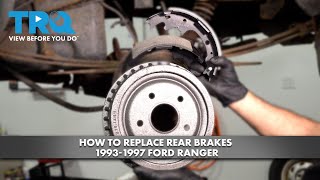
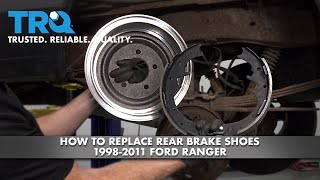
First, know that your 1994-1998 Mazda B2300 is a mechanical twin to the Ford Ranger. 🎬 Watch: Step-by-step rear brake replacement for your Ranger twin. This is great news for finding parts. Most mechanical components, including all brake parts, are interchangeable between the two models. When searching for brake drums, you can and should include the Ford Ranger in your search to find the right parts.
The Most Common Ordering Mistake: 9-inch vs. 10-inch Drums
The single most important thing to know before buying new drums is the size your truck is equipped with. During this period, Mazda B-Series and Ford Ranger trucks came with two different rear brake sizes: 9-inch and 10-inch. Ordering the wrong size is a common and frustrating mistake. While there are no strict rules, 9-inch drums are more common on 2WD models, while 10-inch drums were often used on 4WD and as an option on others. The only way to be 100% sure is to measure your existing drums before ordering.
How to Measure Your Brake Drums
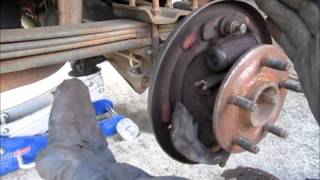
To find your drum size, you need to measure the inside diameter. If the drum is still on the truck, this can be difficult. The easiest way is to remove the wheel and look for a size cast into the outside of the drum itself. Many drums have the maximum diameter stamped on them (e.g., "MAX DIA 230.1MM" for a 9-inch drum). 🎬 Watch this guide for working on the 9-inch drum version. If no size is visible, you will need to remove the drum and measure its inside diameter with a tape measure or calipers.
Signs of a Worn or Failing Brake Drum
Brake drums wear out over time. Here are the common symptoms that tell you it's time for a replacement:
🎬 See a video breakdown of common defective brake drum symptoms.- Vibration or Pulsation: A shudder or pulse you can feel in the brake pedal or through the truck when braking is a classic sign of an out-of-round drum.
- Scraping or Grinding Noises: Any loud metallic noise when you brake means it's time to inspect your brakes immediately. This could be worn-out brake shoes grinding against the drum.
- Poor Parking Brake Performance: If your parking brake doesn't hold the truck securely, it could be due to worn or out-of-adjustment drums and shoes.
- Reduced Stopping Power: If your truck takes longer to stop than it used to, worn rear drums could be a contributing factor.
Choosing the Right Aftermarket Brake Drum
For a vehicle of this age, original equipment (OEM) drums from Mazda are not a practical option. The aftermarket provides a wide range of quality parts that often meet or exceed the original specifications. Here’s a breakdown of the brands available:
| Brand Tier | Brands | Description |
|---|---|---|
| Good (Economy) | Pronto, Dynamic Friction, Centric C-Tek | These are budget-friendly options that meet basic requirements. They are a good choice for a work truck seeing light duty. They may not have rust-preventative coatings, so they can show surface rust more quickly. |
| Better (Daily Driver) | ACDelco Professional, Bendix, Centric Premium, Raybestos | This is the sweet spot for most owners. These brands offer excellent performance and durability for a daily-driven truck. Many drums in this tier feature a painted or coated finish on the non-braking surfaces to prevent rust and keep them looking good. |
| Best (Premium/Coated) | Raybestos Element3, ACDelco Gold, PowerStop Evolution | These premium lines often feature full rust-preventative coatings (like Geo-Met or electrostatic paint), superior balancing for smooth operation, and are manufactured to the highest standards for fit and finish. They are an excellent choice if you live in an area with heavy road salt use or simply want the longest-lasting parts. |
Known Issues, Recalls, and Service Bulletins
There are no major recalls or technical service bulletins (TSBs) specifically for the brake drums on the 1994-1998 Mazda B2300. One recall (NHTSA 96V-024) was issued for the 1994 model's power brake booster, but this does not involve the drums themselves. A TSB for later model years mentioned a "grabbing" condition from the rear brakes after being parked in humid weather, caused by moisture getting into the drum assembly. This highlights the importance of ensuring all seals and plugs on the backing plate are in good condition during a brake job.
Frequently Asked Questions (FAQ)
Do I have to replace both brake drums at the same time?
Yes. Always replace brake drums, brake shoes, and brake hardware in pairs for the same axle. Replacing only one side can cause dangerously uneven braking, pulling the truck to one side during a stop.
What other parts should I replace with my brake drums?
It is highly recommended to replace the brake shoes and the brake hardware kit at the same time as the drums. The hardware kit is inexpensive and includes new springs and clips that lose tension over time. While you have it apart, inspect the wheel cylinders for any signs of brake fluid leaks. If a leak is found, replace the wheel cylinder immediately.
What does "Maximum Diameter" mean?
The "Maximum Diameter" or "Max Dia" is a safety specification stamped on the outside of the brake drum. As drums wear, their inside diameter increases. Once the diameter reaches this limit, the drum is no longer safe to use and must be replaced. For example, a common 9-inch drum has a maximum diameter of 9.06 inches (230.1 mm).
Can I use parts from a Ford Explorer?
Yes, some parts are compatible, especially from the Ford Explorer of a similar vintage. The rear axle, and by extension the brakes, from some Explorers were a popular swap for Rangers and B2300s, often to upgrade to 10-inch drums or even rear disc brakes. However, unless you know the history of your truck, it's best to stick to parts listed for the 1994-1998 Ranger/B-Series to ensure proper fitment.
Helpful Videos
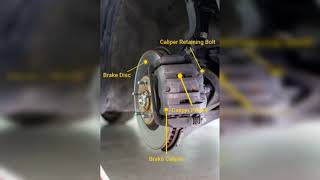
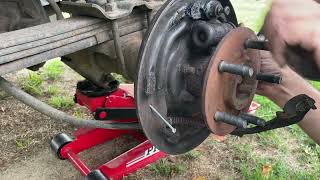
Technical Specifications
Primary Sizes: 9 inch (228.6 mm) or 10 inch (254 mm) inside diameter. Bolt Pattern: 5-lug, 4.5 inch (114.3 mm) bolt circle. Maximum Diameter (Discard): The safety limit for wear, stamped on the drum. For a 9-inch drum, this is typically 9.06 inches or 230.1 mm.
We Have This Part in Stock
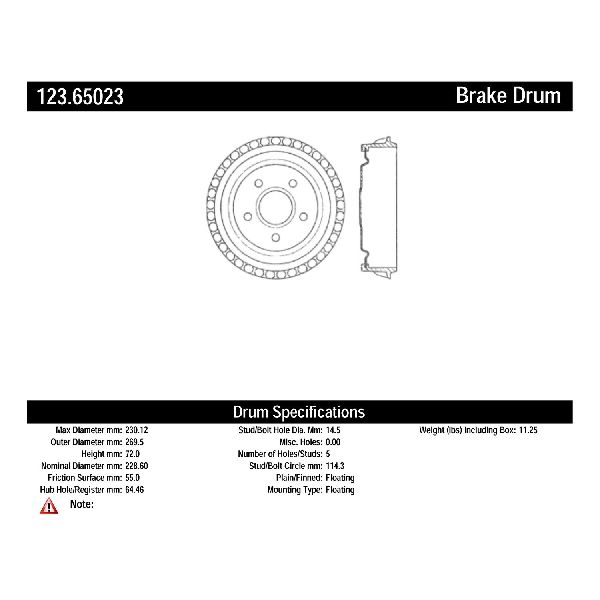
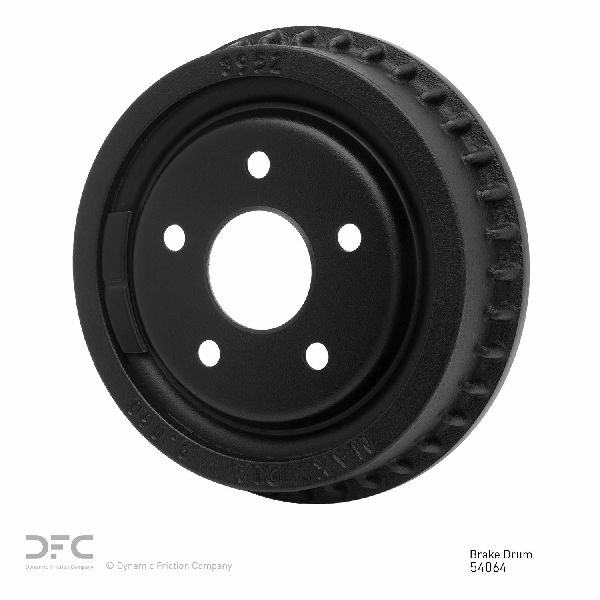
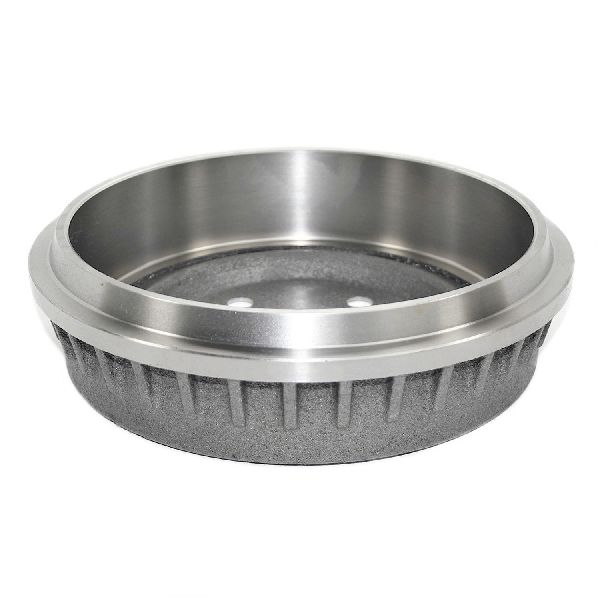
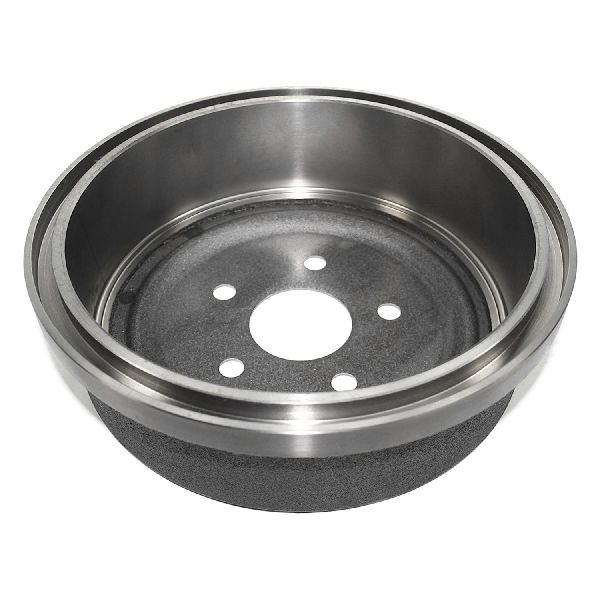
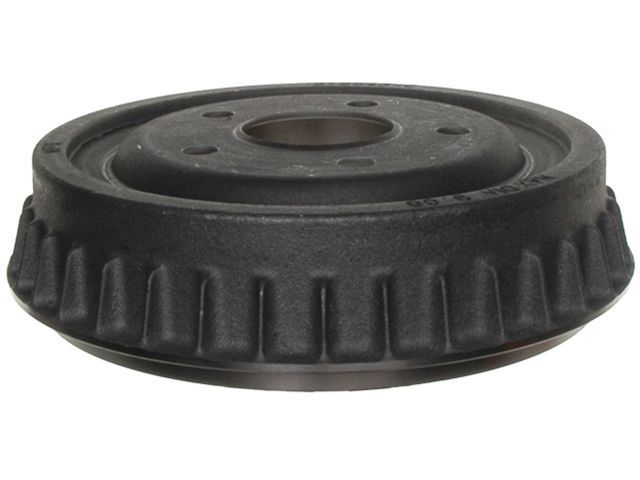
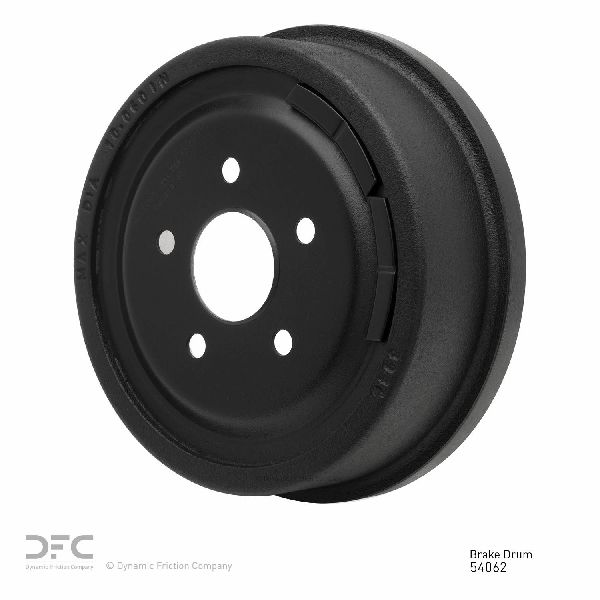

The information in this article is provided for general reference and educational purposes only. Vehicle specifications, procedures, and part compatibility can vary by production date, trim level, and region. Always consult your vehicle's factory service manual and verify part numbers before purchasing or performing repairs. Safety-critical components such as airbags, seat belts, and braking systems should be installed by a qualified professional.
- Mazda B2300:
- 🎬 Helpful Videos
- 🛍️ Shop This Part
- Your Mazda B2300 is a Ford Ranger
- The Most Common Ordering Mistake: 9-inch vs. 10-inch Drums
- How to Measure Your Brake Drums
- Signs of a Worn or Failing Brake Drum
- Choosing the Right Aftermarket Brake Drum
- Known Issues, Recalls, and Service Bulletins
- Frequently Asked Questions (FAQ)
- 🎟️ Get 5% Off