

Engine Coolant Thermostat Guide for the 1994-1998 Mazda B2300
Solve overheating or engine-too-cool problems by choosing the right thermostat for your truck.
- A thermostat can fail stuck open (engine runs cool, no heat) or stuck closed (engine overheats).
- For the 2.3L engine, a stuck-open thermostat with no heat could be caused by casting sand, requiring a full system flush per Ford TSB 99-16-2.
- OEM (Motorcraft) or premium aftermarket brands like Gates and Calorstat are recommended over budget options for better reliability.
- Always use the correct 192°F temperature rating; using a 180°F thermostat can harm fuel efficiency.
Symptoms of a Failing Thermostat
A thermostat can fail in two ways: stuck open or stuck closed. Each has very different symptoms.
Stuck Open Failure
This is the most common failure mode for the 2.3L engine in the B2300. When the thermostat is stuck open, coolant flows to the radiator constantly, preventing the engine from reaching its proper operating temperature.
- Engine Runs Too Cool: The temperature gauge on your dashboard never reaches the normal middle range.
- No Cabin Heat: Because the engine isn't getting hot enough, the heater will blow lukewarm or cool air.
- Poor Fuel Economy: An engine that runs too cool stays in its "warm-up" mode longer, which uses more fuel.
- Check Engine Light: A code like P0125 or P0128 may be triggered, which means the engine isn't getting to the right temperature fast enough.
Known Issue: Ford TSB 99-16-2 for 2.3L Engines
If you have a 2.3L engine and are experiencing a lack of heat or a P0125 trouble code, be aware of this Technical Service Bulletin. It notes that sand from the original engine block casting process can get stuck in the thermostat, holding it open. The official fix requires a complete cooling system flush before replacing the thermostat. Just swapping the part without flushing can cause the new thermostat to fail quickly.
Stuck Closed Failure
This is a more serious condition. The thermostat is stuck closed, trapping hot coolant in the engine and preventing it from being cooled by the radiator.
- Engine Overheating: This is the most critical symptom. The temperature gauge will climb into the red zone, which can cause severe engine damage.
- Gurgling or Rumbling Sounds: You might hear strange boiling or knocking noises from the engine as the coolant gets too hot.
- Coolant Leaks: Extreme pressure from overheating can cause coolant to leak from the housing or hoses.
Choosing the Right Aftermarket Thermostat
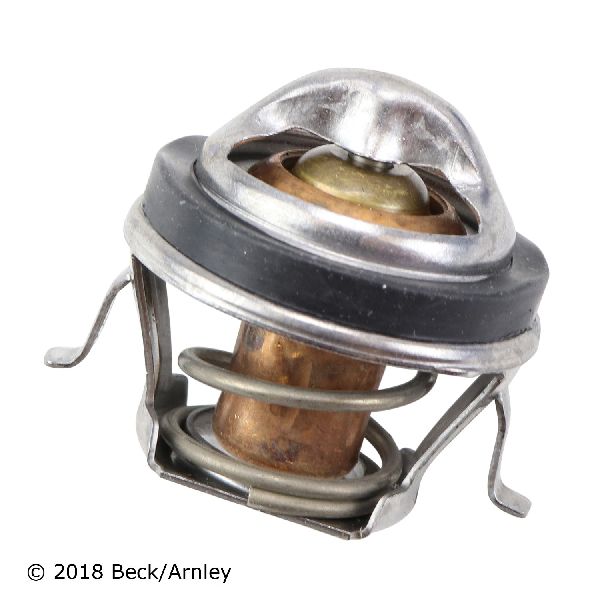
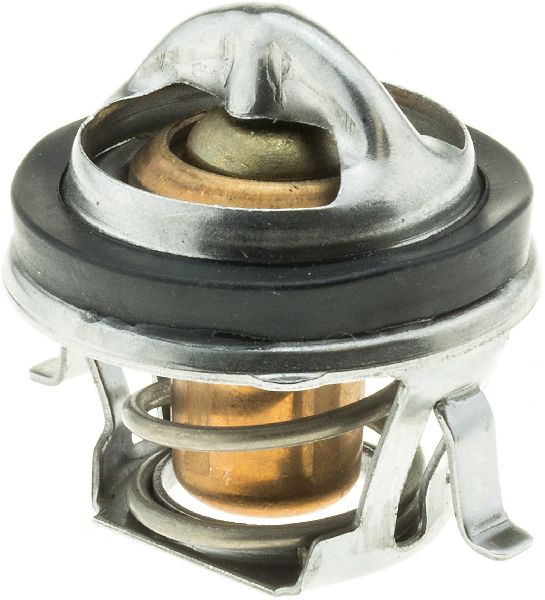
Since your 1994-1998 Mazda B2300 is a rebadged Ford Ranger, the OEM part is a Motorcraft thermostat. While OEM is always a safe choice, several aftermarket brands offer good quality. Given the low cost of the part and the importance of its function, it's best to avoid the cheapest options.
| Brand Tier | Brands | General Quality & Notes |
|---|---|---|
| Premium Aftermarket | Gates, Calorstat | These brands are generally well-regarded by mechanics. Gates is a popular choice, though some forum users have noted that they sometimes receive a Motorad-manufactured part in a Gates box. Calorstat by Vernet is a French brand with a reputation for quality, though it's noted that parts from their North American and European plants are considered superior to those from their Asian factories. |
| Standard Aftermarket | Motorad, Beck Arnley | Motorad is a very common aftermarket brand, but some users report inconsistent quality and premature failures. Beck Arnley is known for rebranding parts, and reviews are mixed, with some users experiencing early failures. These parts are widely available and can be a decent choice, but may carry a higher risk of defects compared to premium brands. |
Pro Tip: Before installing any new thermostat, test it by suspending it in a pot of water on the stove with a thermometer. Watch to see that it opens as the water approaches the rated temperature (e.g., 192°F). This simple test can prevent you from installing a defective part.
Frequently Asked Questions (FAQ)
Are there any recalls for the thermostat on my B2300?
No, there are no specific recalls for the engine coolant thermostat on the 1994-1998 Mazda B2300. A search of the National Highway Traffic Safety Administration (NHTSA) database shows recalls for other items like airbags, but nothing related to the thermostat or cooling system for this model year range.
Should I get a 180°F or 192°F thermostat?
You should use the thermostat with the OEM-specified temperature rating, which is typically 192°F for the B2300. Using a lower temperature thermostat can negatively affect fuel economy and engine efficiency, as the engine may not reach its ideal operating temperature.
Can I just remove the thermostat to fix overheating?
No. Removing the thermostat completely is not a proper fix. It will cause the coolant to circulate too quickly through the radiator, meaning it doesn't have enough time to cool down effectively. This will also make the engine take a very long time to warm up, leading to poor performance and fuel economy.
I replaced my thermostat, but I still have the same problem. What's next?
If the engine still overheats, you could have other problems like a clogged radiator, a failing water pump, a bad fan clutch, or air trapped in the cooling system. If the engine still runs too cool, you might have received a defective new thermostat (it happens) or have a faulty engine coolant temperature (ECT) sensor that is sending incorrect readings to your gauge.
Technical Specifications
OEM Part Numbers: F2TZ-8575-A YS4Z-8575-AA
Standard Temperature: 192°F (89°C)
We Have This Part in Stock


The information in this article is provided for general reference and educational purposes only. Vehicle specifications, procedures, and part compatibility can vary by production date, trim level, and region. Always consult your vehicle's factory service manual and verify part numbers before purchasing or performing repairs. Safety-critical components such as airbags, seat belts, and braking systems should be installed by a qualified professional.
- Mazda B2300: