

Locking Hub Guide for the 1994-1998 Mazda B3000
If your 4WD isn't working, the factory automatic hubs are the most likely problem; here's how to choose the right manual hub replacement.
- The original automatic locking hubs are a notorious failure point on 1994-1998 B3000s; replacing them with manual hubs is the most reliable fix.
- Installation is simple and can be done at home in about an hour with basic tools.
- Mile Marker is a quality, all-metal brand choice, while 'Replacement' brands offer a budget-friendly upgrade from the faulty OEM parts.
- Do not use grease when installing new hubs; lubricate splines lightly with Automatic Transmission Fluid (ATF).
Is Your 4x4 Failing to Engage?
For owners of the 1994-1998 Mazda B3000, a non-working four-wheel-drive system is a very common issue. More often than not, the problem lies with the original factory automatic locking hubs. These components were known to wear out, get contaminated with dirt, or simply break internally, leaving you with only two-wheel drive when you need 4x4 the most. Symptoms often include a clicking or grinding noise from the front wheels with no 4WD engagement. 🎬 Watch this video to see how to remove failing automatic hubs. Upgrading to a set of aftermarket manual locking hubs is the most common and reliable solution. Manual hubs are stronger, simpler, and give you direct control over your 4WD system.
Symptoms of a Failing Locking Hub
Spotting a bad locking hub is usually straightforward. If you notice any of these signs, it's time to inspect your hubs.
- 4WD Will Not Engage: This is the most obvious symptom. You shift into 4x4, the light may come on, but the front wheels do not receive power.
- Grinding or Clicking Noises: When trying to engage 4WD, you may hear grinding, clicking, or ratcheting sounds from the front hubs as they try but fail to lock.
- 4WD Disengages Under Load: The hubs may seem to lock but then slip or disengage when the system is under torque, such as when climbing a hill.
- Visible Damage: In severe cases of failure, the plastic cap of the automatic hub can break and fall off completely.
A Note on 1998 Models
The 1998 model year used a Pulse Vacuum Hub (PVH) system that was even more prone to failure, often due to leaking vacuum lines. If you have a '98, converting to manual hubs is highly recommended to bypass this unreliable system entirely.
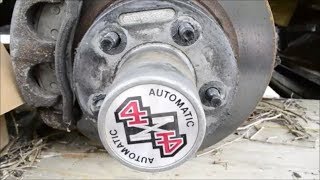
🎬 See how to replace the problematic 1998 vacuum hub system.Choosing the Right Aftermarket Locking Hub
Since your B3000 is mechanically identical to a Ford Ranger, you have several good aftermarket options. The main choice is between a known brand like Mile Marker and a more budget-friendly "Replacement" brand.
Brand Tier: Good
Replacement Brand Hubs: These are entry-level, unbranded or store-brand hubs that offer a significant reliability upgrade over the factory automatic hubs at a low cost. They are a perfectly suitable choice for daily driving and light-duty 4WD use, such as in snow or on maintained trails. While functional, their internal components may not be as robust as premium brands.
Brand Tier: Better
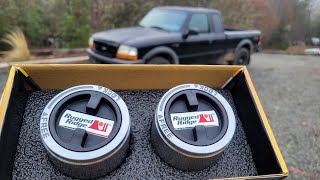
Mile Marker Hubs: Mile Marker is a well-known brand in the 4x4 community. Their hubs for the B3000/Ranger are typically made with all-metal bodies (stainless steel or nodular iron) and are considered more durable than generic options. Forum users and video comparisons note that they have a solid, positive feel when engaging and disengaging. For those who use their 4WD system regularly or in more demanding off-road situations, Mile Marker provides extra peace of mind and durability.
Installation Tip
Replacing the hubs is a simple DIY job that usually takes less than an hour. When installing your new manual hubs, do NOT pack them with heavy grease. This can prevent them from engaging correctly. Instead, use a very light coating of automatic transmission fluid (ATF) or light oil on the internal splines.
Cost of New Locking Hubs (1994-1998 Mazda B3000)
| Part Type | Estimated Cost (Set of 2) |
|---|---|
| New OEM (Automatic) | Not commonly available; often discontinued. |
| New Aftermarket (Manual) | $155 - $193 |
| Shop Labor | $100 - $200 |
Frequently Asked Questions
Do I need to replace both locking hubs at the same time?
Yes, it is highly recommended. Locking hubs are sold in pairs, and you should always replace both to ensure even wear and reliable performance. Mixing an old hub with a new one can cause engagement problems.
Will manual hubs hurt my fuel economy?
No, they will likely improve it compared to faulty automatic hubs. When unlocked for 2WD driving, manual hubs completely disconnect the front wheels from the drivetrain, reducing drag and wear.
Is converting from automatic to manual hubs difficult?
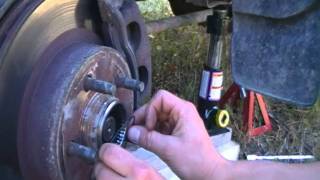
No, it is one of the easier jobs you can do on this truck. The process involves prying off the old hub cap, removing a snap ring, and pressing the new hub into place. 🎬 Watch this step-by-step manual hub conversion on a 1995 Ranger. No special tools are typically needed for this specific conversion.
My 4x4 still doesn't work after replacing the hubs. What else could it be?
While hubs are the most common failure point, other issues can prevent 4WD from engaging. Check the transfer case shift motor and the electronic 4x4 control module (located behind the passenger kick panel or radio, depending on the year).
Helpful Videos
Technical Specifications
Spline Count: 27

The information in this article is provided for general reference and educational purposes only. Vehicle specifications, procedures, and part compatibility can vary by production date, trim level, and region. Always consult your vehicle's factory service manual and verify part numbers before purchasing or performing repairs. Safety-critical components such as airbags, seat belts, and braking systems should be installed by a qualified professional.
- Mazda B3000: