

A Guide to Universal Joints for the 1994-1998 Mazda B4000
Everything you need to know about replacing the U-joints on your Mazda B4000 to fix vibrations and clunking noises.
- Prioritize high-quality aftermarket brands like Spicer (Dana) for a durable, long-lasting repair.
- Symptoms like clunking, squeaking, or vibrations should be addressed immediately to prevent a dangerous driveshaft failure.
- If one U-joint is bad, the others on the same driveshaft are likely worn and should be inspected or replaced at the same time.
- Mark the driveshaft's orientation before removal to ensure it is reinstalled in the same position to prevent vibrations.
Symptoms of a Failing Universal Joint
A worn-out U-joint will give you clear warning signs. Ignoring them can lead to more significant damage or a dangerous failure where the driveshaft can detach from the vehicle. Listen and feel for these common symptoms:
- Vibrations: A common sign is a vibration felt through the floor of the truck, especially at highway speeds. Because the driveshaft spins faster than the wheels, this vibration is often more intense than an unbalanced tire.
- Clunking Noises: You may hear a loud “clunk” or “ping” when you shift from Park into Drive or Reverse. This sound can also occur when you accelerate or decelerate suddenly.
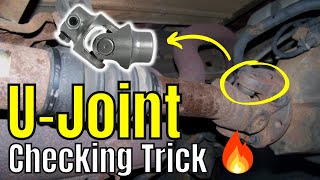
- Squeaking or Clicking: A rhythmic squeaking or clicking that changes with your speed can point to a dry or worn-out U-joint. This is often the sound of the internal needle bearings failing. 🎬 Watch: How to tell if your U-joint is bad
- Transmission Fluid Leak: In advanced stages of failure, the excessive vibration from a bad U-joint can damage the output shaft seal on your transmission, causing a fluid leak.
Choosing the Right Aftermarket U-Joint
For a vehicle like the 1994-1998 B4000, you don't need to hunt down an expensive and rare OEM part from Mazda. The aftermarket offers excellent, high-quality options that often meet or exceed original specifications. However, not all brands are created equal. Quality varies significantly, and since this is a labor-intensive job, you want to install a part that will last.
Greasable vs. Non-Greasable U-Joints
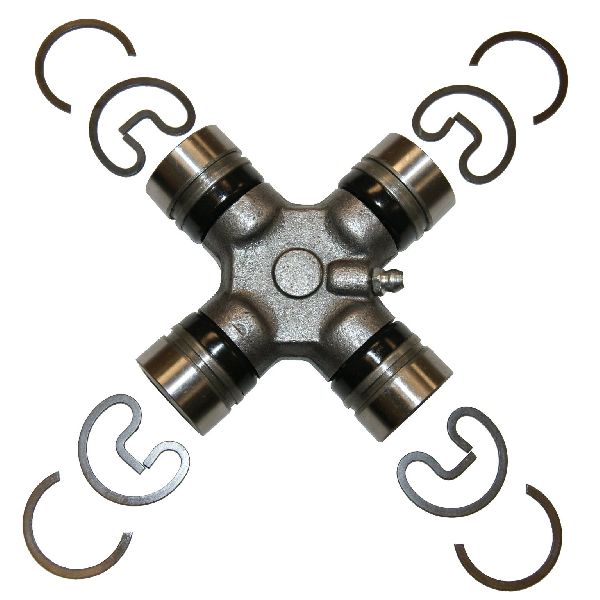
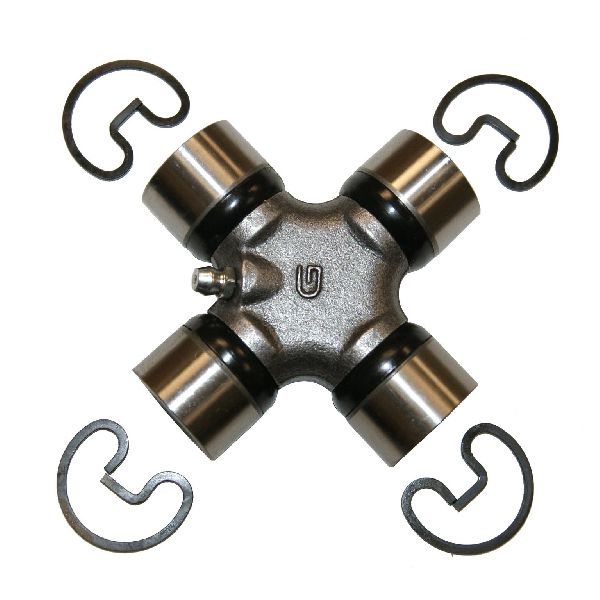
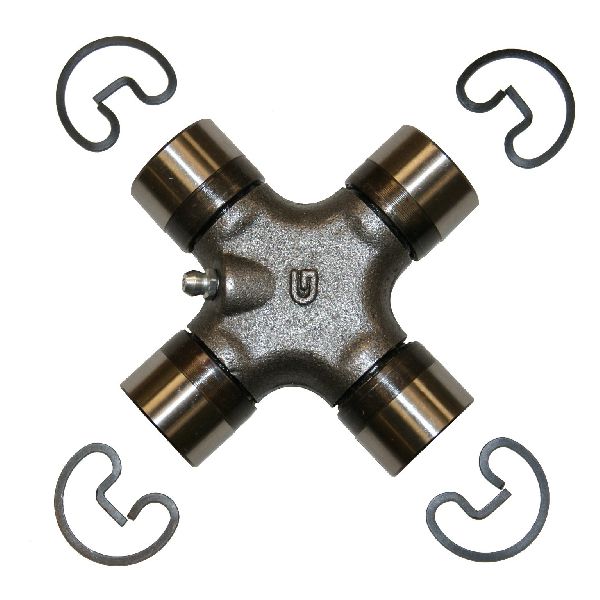
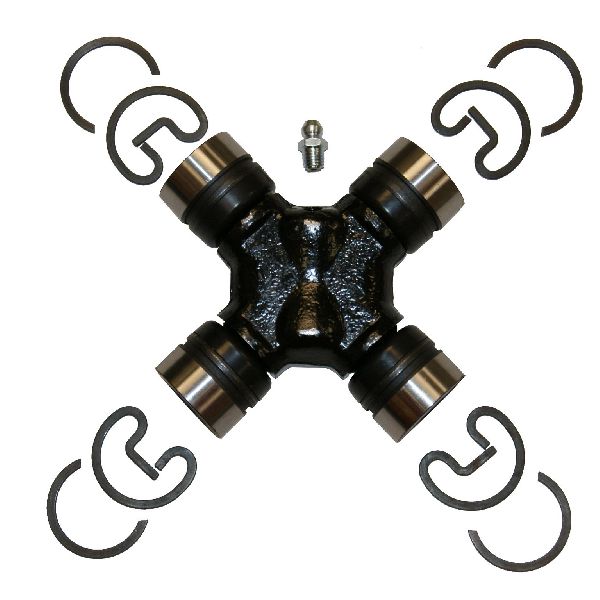
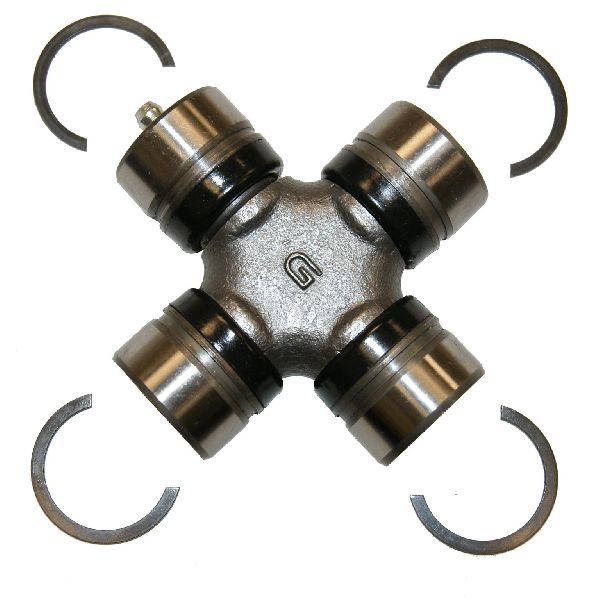
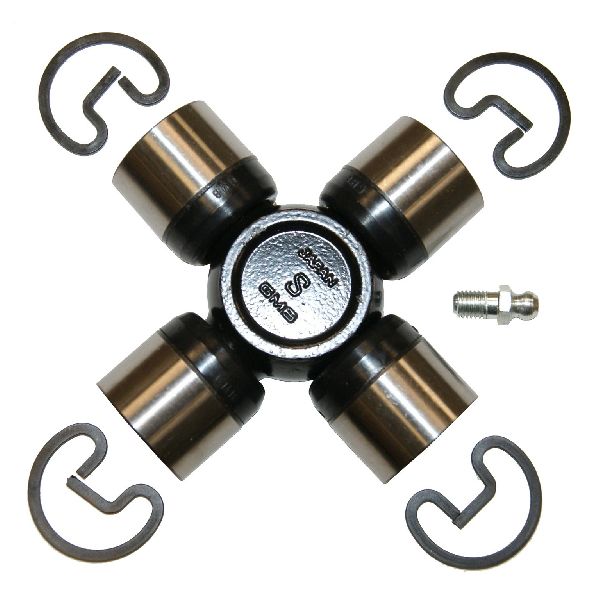
You will see options for both greasable (with a zerk fitting) and non-greasable (sealed) U-joints. Non-greasable joints are often stronger because the cross isn't hollowed out for grease channels. They are filled with high-quality lubricant at the factory and sealed for life, just like the original parts. Greasable joints require regular maintenance but allow you to push out old grease and contaminants. For most owners, a high-quality, non-greasable U-joint from a top brand is the most reliable, install-and-forget-it option.
Brand Quality Tiers
Based on owner feedback and mechanic consensus, aftermarket U-joints for your truck fall into a few tiers:
- Tier 1 (Best Quality): Dana/Spicer. This is the brand most recommended by professionals and experienced owners. Spicer was the original equipment manufacturer for many trucks of this era, and their parts are known for being durable and well-made. Choosing Spicer is a safe bet for a long-lasting repair.
- Tier 2 (Good Quality): SKF, Neapco. These brands have a solid reputation and are considered reliable alternatives if Spicer is not available. They provide good performance and durability for daily driving and light-duty use.
- Tier 3 (Use with Caution): Moog, GMB. While Moog was once a top-tier brand, many users report a significant decline in quality in recent years, with some parts failing prematurely or even during installation. GMB reviews are also very mixed; some find them to be a decent budget option, while others criticize their weaker construction compared to top brands. If your budget is tight, they can work, but a Tier 1 or 2 brand is recommended for longevity.
| Item | Cost |
|---|---|
| Aftermarket U-Joint Part | $18 - $108 |
| Shop Labor (per joint) | $110 - $165 |
| Total Professional Replacement (per joint) | $154 - $221 |
Frequently Asked Questions
How many U-joints does my 1994-1998 Mazda B4000 have?
It depends on your drivetrain. A 2WD model typically has two U-joints on the rear driveshaft. A 4WD model will have two on the rear driveshaft and two more on the front driveshaft. Some long-bed models may have a two-piece rear driveshaft with three U-joints and a center support bearing.
Is replacing a U-joint a DIY job?
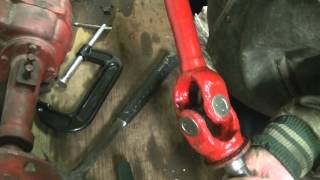
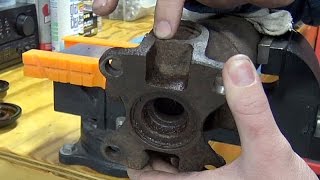
It can be, but it is considered a moderately difficult job. 🎬 See this U-joint replacement walkthrough using common hand tools You will need to safely lift the vehicle, remove the driveshaft, and then use either a bench vise and sockets or a dedicated U-joint press to remove the old joint and install the new one. Rusted parts can make the job much more difficult. If you are not comfortable with this process, a professional mechanic can do it in a couple of hours.
Do I need to replace all the U-joints at once?
Not necessarily, but it's often a good idea. If one U-joint has failed due to age and mileage, the others are likely not far behind. Since the driveshaft has to be removed to replace one, replacing all of them on that shaft at the same time can save you from doing the same job again in the near future.
Why is it important to mark the driveshaft before removal?
Driveshafts are balanced from the factory. To avoid causing a new vibration after the repair, you should make alignment marks on the driveshaft and the yokes at the transmission and differential before you unbolt it. This ensures you reinstall it in the exact same orientation.
🎬 Watch: The most accurate way to check driveshaft U-jointsHelpful Videos
Technical Specifications
The 1994-1998 Mazda B4000 is mechanically identical to the Ford Ranger. 4WD models use different U-joints for the front and rear driveshafts. Always verify the specific part needed for the correct position (e.g., rear shaft at axle, rear shaft at transmission) before ordering.
We Have This Part in Stock

The information in this article is provided for general reference and educational purposes only. Vehicle specifications, procedures, and part compatibility can vary by production date, trim level, and region. Always consult your vehicle's factory service manual and verify part numbers before purchasing or performing repairs. Safety-critical components such as airbags, seat belts, and braking systems should be installed by a qualified professional.
- Mazda B4000: