

Engine Coolant Temperature Sensor Guide for 1994-1998 Mercedes-Benz SL500
Solve rough idling and poor fuel economy by understanding this critical engine sensor in your R129 SL500.
- Your 1994-1998 SL500 has multiple coolant sensors; identify the correct one for the ECU before buying.
- A faulty sensor directly causes poor fuel economy, rough idle, and black smoke.
- For critical sensors, invest in premium aftermarket brands like Delphi or Vemo to avoid persistent issues.
- Replacement is a simple DIY task for most owners, located at the front of the M119 engine.
Symptoms of a Failing Coolant Temp Sensor in Your SL500
A bad Engine Coolant Temperature (ECT) sensor can cause a surprising number of issues on the M119 engine. Because the sensor's reading is critical for fuel calculations, a faulty one can make the car run poorly. You might notice one or more of the following signs:
- Poor Fuel Economy: If the sensor incorrectly tells the computer the engine is always cold, the ECU will continuously supply a rich fuel mixture, causing you to use more gas.
- Rough Idle and Misfires: An incorrect fuel mixture can lead to a shaky idle, hesitation, or engine misfires.
- Black Smoke from Exhaust: This is a clear sign of an overly rich fuel mixture. The excess, unburnt fuel is burned up in the exhaust, creating black smoke.
- Hard Starting: A faulty sensor can make starting difficult, especially when the engine is warm. If the sensor is stuck on a "cold" reading, the ECU will provide too much fuel for a warm engine, causing it to flood.
- Check Engine Light: A failed sensor will often trigger a Check Engine Light and store a diagnostic trouble code like P0115, P0117, or P0118. 🎬 See how to diagnose and solve a P0115 trouble code.
- Engine Overheating: While less common for the ECU sensor, a related sensor is responsible for triggering the auxiliary cooling fans at very high temperatures. If this sensor fails, the fans may not turn on when needed, increasing the risk of overheating in traffic.
Pro Tip: Your SL500 Has Multiple Temperature Sensors
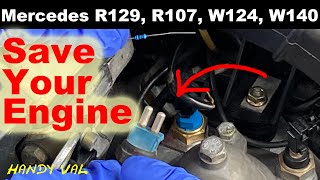
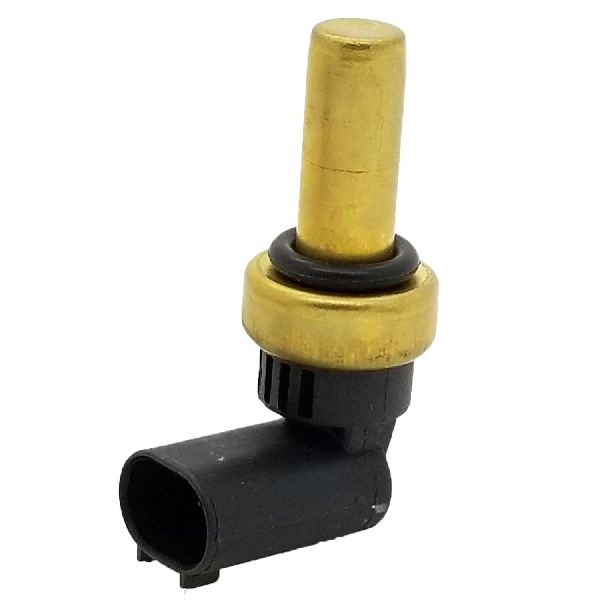
It's crucial to know that these cars typically have at least two main coolant temperature sensors. One has multiple pins and sends information to the engine computer for fuel and timing. Another, simpler sensor sends a signal only to the temperature gauge on your instrument cluster. A third switch may be used to control the auxiliary electric fans. When diagnosing issues, make sure you are testing and replacing the correct sensor for the symptoms 🎬 Learn how to test a coolant sensor with this walkthrough. you are experiencing.
Choosing the Right Aftermarket Sensor: Brand Quality Matters
When it comes to sensors that control your engine's fuel mixture, quality and accuracy are paramount. While a genuine Mercedes-Benz part is always an option, several reputable aftermarket brands offer a reliable alternative. For a critical part like the ECT sensor, it is not recommended to choose the cheapest option available.
Aftermarket Brand Tiers
| Tier | Brands | General Assessment |
|---|---|---|
| Premium Aftermarket | Delphi, Vemo, Hella | Often OEM (Original Equipment Manufacturer) suppliers for Mercedes-Benz or other German brands. These parts are expected to provide accurate readings and long service life, similar to the original part. |
| Standard Aftermarket | Standard Ignition (SMP), Facet, Walker Products | These brands offer a good balance of quality and value. They are generally reliable for most repairs and are a solid choice for a daily driver. |
| Economy Aftermarket | URO Parts, True Tech, Global Parts | While attractively priced, these brands have a mixed reputation among Mercedes owners. Forum discussions often mention issues with fitment, accuracy, and premature failure with economy-brand sensors. Using a sensor that provides inaccurate readings can lead to persistent running problems, defeating the purpose of the repair. |
Cost of Replacing the Engine Coolant Temperature Sensor
| Category | Estimated Cost |
|---|---|
| New Aftermarket Part | $8.23 - $86.48 |
| Shop Labor | $100 - $200 |
| Total Professional Replacement | $108 - $286 |
Note: Costs are estimates and can vary based on your location and the specific repair shop. The total professional replacement cost can be higher, with some estimates reaching $314-$372.
Frequently Asked Questions (FAQ)
How many coolant temperature sensors does my 1994-1998 SL500 have?
Your SL500 with the M119 engine typically has at least two, and sometimes three, sensors that measure coolant temperature. One is for the engine management computer (ECU), one is for the dashboard temperature gauge, and a third switch may be present to control the high-speed auxiliary fans. It is essential to identify which sensor is causing your issue before ordering a replacement.
Is replacing the ECT sensor a difficult DIY job?
No, for most DIY mechanics, this is a relatively easy job. The main sensor for the ECU is usually located at the front of the engine near the thermostat housing. The replacement involves unplugging the electrical connector, unscrewing the old sensor, and quickly screwing in the new one to minimize coolant loss. Always work on a cold engine to avoid burns.
What happens if I ignore a bad coolant temperature sensor?
Ignoring a bad sensor will lead to persistent poor engine performance, terrible fuel mileage, and increased emissions. Driving for an extended period with a very rich fuel mixture can potentially damage your catalytic converters due to the unburnt fuel, leading to a much more expensive repair.
Why shouldn't I just buy the cheapest sensor available?
The ECT sensor provides a critical signal for the engine computer to manage the fuel system. Cheaper, lower-quality sensors may not be calibrated correctly, sending inaccurate temperature data to the ECU. This can result in the same symptoms as a failed sensor (poor mileage, rough idle), meaning you've wasted your time and money on the repair. Forum posts from owners of European cars often warn against using budget-brand sensors for this reason.
Helpful Videos



Technical Specifications
OEM Part Numbers: 0055421017 0055422617 0085424517
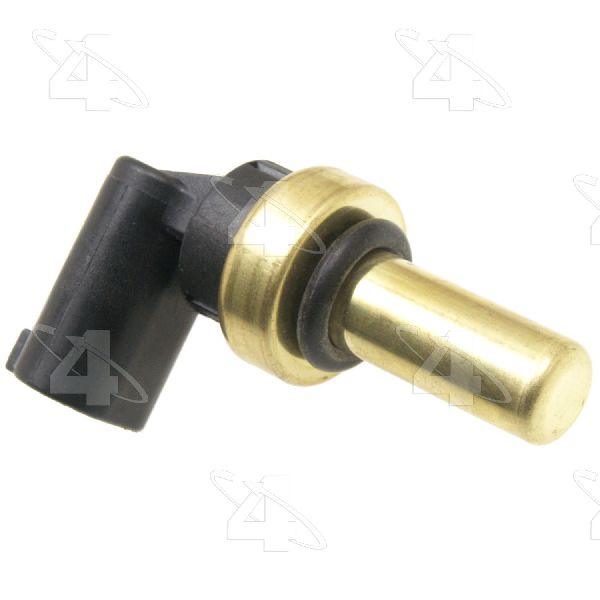
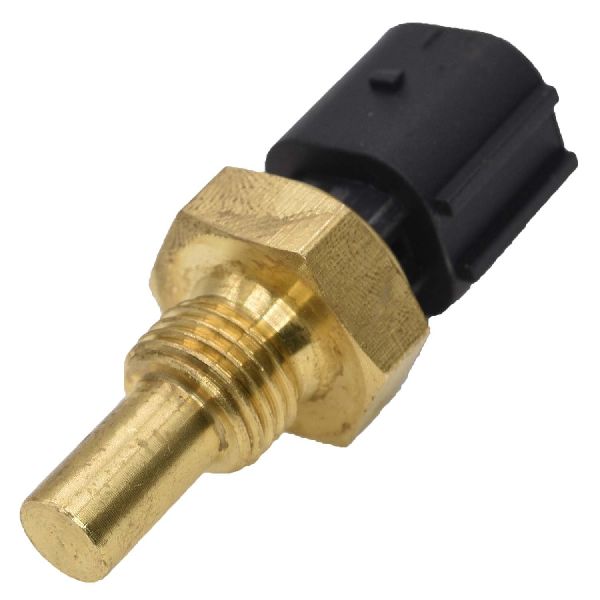
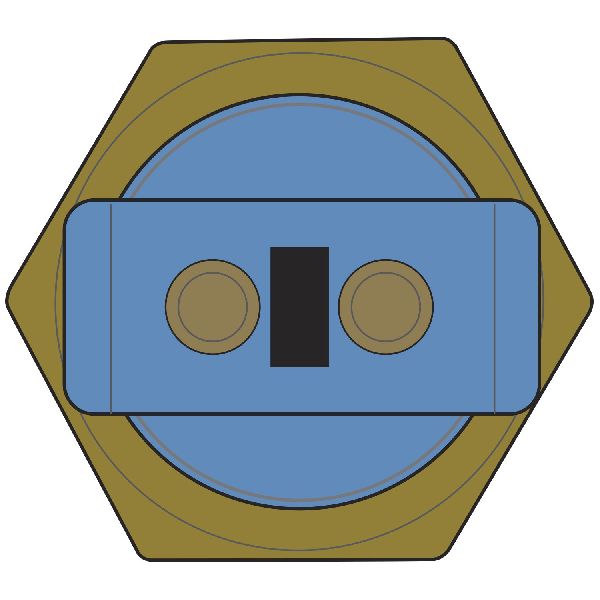
Typically a 2-pin or 4-pin sensor located near the thermostat housing on the M119 engine. The 4-pin sensor sends two different signals to the ECU and ignition module.
We Have This Part in Stock


The information in this article is provided for general reference and educational purposes only. Vehicle specifications, procedures, and part compatibility can vary by production date, trim level, and region. Always consult your vehicle's factory service manual and verify part numbers before purchasing or performing repairs. Safety-critical components such as airbags, seat belts, and braking systems should be installed by a qualified professional.
- Mercedes-Benz SL500:
- 🎬 Helpful Videos
- 🛍️ Shop This Part
- Symptoms of a Failing Coolant Temp Sensor in Your SL500
- Pro Tip: Your SL500 Has Multiple Temperature Sensors
- Choosing the Right Aftermarket Sensor: Brand Quality Matters
- Aftermarket Brand Tiers
- Cost of Replacing the Engine Coolant Temperature Sensor
- Frequently Asked Questions (FAQ)
- 🎟️ Get 5% Off